Carlos Dafé

R&B
Soul
Latin Jazz
 Viberate Rank: 111887
 Viberate Rank: 111887
 Monthly ListenersFollowers
 Subscribers
 Followers
 Followers
 FansTop Spotify Songs
| Track | 7-Day Streams | |
|---|---|---|
1 | 35.76K | |
2 | 8.54K | |
3 | 8.13K | |
4 | 4.33K | |
5 | 2.54K |
Top YouTube VideosMonthly ListenersFeatured in Playlists| Playlist | Followers | |
|---|---|---|
1 |  Divina MPB Spotify | 352.73K |
2 |  Soul Brasil Spotify | 157.24K |
3 |  Brazilian Boogie Spotify | 139.62K |
4 |  Love Song Brasil ❤️🇧🇷 Brunuaimeidal | 48.05K |
5 |  Gilles Peterson Worldwide Radio Gilles Peterson | 45.19K |
Audience| City | Monthly Listeners | |
|---|---|---|
1 | | 12.87K |
2 | | 5.18K |
3 | | 1.72K |
4 | | 1.34K |
5 | | 1.27K |
See full performance history, audience data, playlist activity, rankings, comparisons, and more in Viberate music analytics. Start with a free trial, then continue with a paid plan.
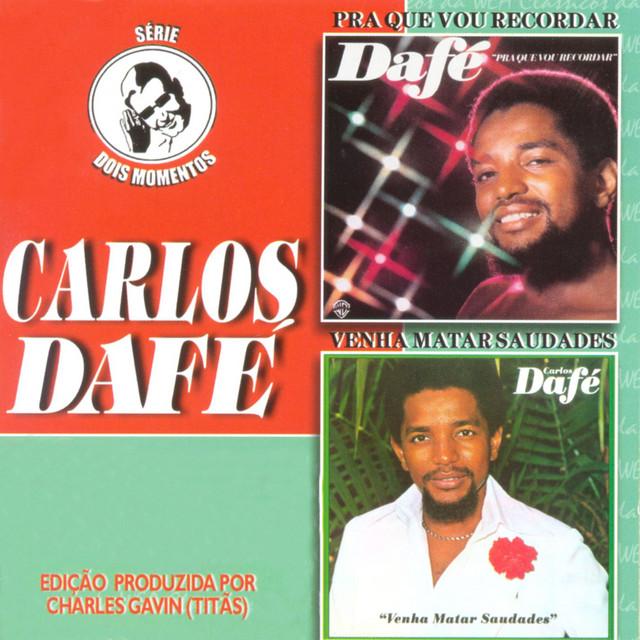
Carlos Dafé’s Spotify BioOne of the greatest representatives of Brazilian soul music, Carlos Dafé has been recorded by such artists as Tânia Maria ("A Cruz") and Nana Caymmi ("Passarela"), in addition to his solo career (registered in six albums from 1977 to 1997). Carlos Dafé had his first model as musician in the figure of his father, who taught him several instruments and introduced him to choro and samba traditions. In the '60s, Dafé exercised his vocal possibilities as a crooner in São Paulo and Rio's nightclubs. His first solo album came in 1977 (Pra Que Vou Recordar). Influenced by Tim Maia and Cassiano, the Carioca (from Vila Isabel) suburban Carlos Dafé developed their soul music tinge, first reflected in his 1978's Venha Matar Saudades, where he was backed by the Banda Black Rio. In 1994, Dafé was revisited by band Unidade Bop. ~ Alvaro Neder, Rovi
Viberate is a music analytics platform built for A&Rs, artist managers, labels, booking agents, marketers, and artists.
It helps music professionals track artist growth, analyze audience data, monitor playlist activity, compare artists, follow song performance, and identify opportunities across the music market.
Public artist pages provide a free preview of selected artist data. Paid plans provide access to deeper analytics, historical data, charts, comparisons, playlist tools, exports, alerts, reports, and additional professional features.
Yes. Public Viberate artist pages provide selected artist analytics and music data for free.
Viberate also offers a 7-day free trial of the full platform. A credit card is required to start the trial. The trial includes access to the complete product so users can test deeper artist analytics, historical views, playlist insights, comparisons, charts, exports, alerts, and reporting features before choosing a paid plan.
Viberate provides artist analytics across streaming, playlists, social media, video, radio airplay, songs, and audience markets.
Users can analyze Spotify performance, Spotify and Apple Music playlists, YouTube activity, TikTok and Instagram growth, radio spins, song performance, audience locations, demographics, rankings, and overall artist momentum.
Artist profiles also connect to music charts, similar artists, and comparison tools, helping users benchmark performance and evaluate artists in context.
Viberate updates key artist and track data daily.
For followed artists and tracks, selected data is refreshed multiple times per day. This helps teams monitor playlist changes, streaming movement, audience growth, releases, and campaign performance with more current data.
Update frequency can vary depending on the metric and data source.
Yes. Viberate lets users compare up to five artists side by side across streaming, social media, audience, and engagement metrics.
Users can compare fanbase growth, audience demographics, locations, Spotify performance, social metrics, and other artist data over selected time periods.
Artist comparison can be used for A&R scouting, benchmarking, booking decisions, campaign planning, and evaluating artists with similar audiences or market positions.