Limp

Rock
Alternative Rock
Skate Punk
 Viberate Rank: 407778
 Viberate Rank: 407778
 Monthly ListenersFollowers
 Subscribers
 Followers
 Followers
 FansTop Spotify Songs
| Track | 7-Day Streams | |
|---|---|---|
1 | 567 | |
2 | 477 | |
3 | 465 | |
4 | 269 | |
5 | 180 |
Top YouTube VideosMonthly ListenersFeatured in Playlists| Playlist | Followers | |
|---|---|---|
1 | 90's era Ska & Punk mix Dick Duffy | 17.34K |
2 |  Christmas Vacation studio173 | 10.37K |
3 |  Punk Rock Radio Nick Worthington | 4.83K |
4 |  90s Punkrock Nostalgia Peter van den Hout | 1.93K |
5 |  Fat Wreck vs. Epitaph/Hellcat jackdesrosiers | 1.39K |
Audience| City | Monthly Listeners | |
|---|---|---|
1 |  | 91 |
2 | | 77 |
3 | | 75 |
4 | | 59 |
5 |  | 49 |
See full performance history, audience data, playlist activity, rankings, comparisons, and more in Viberate music analytics. Start with a free trial, then continue with a paid plan.
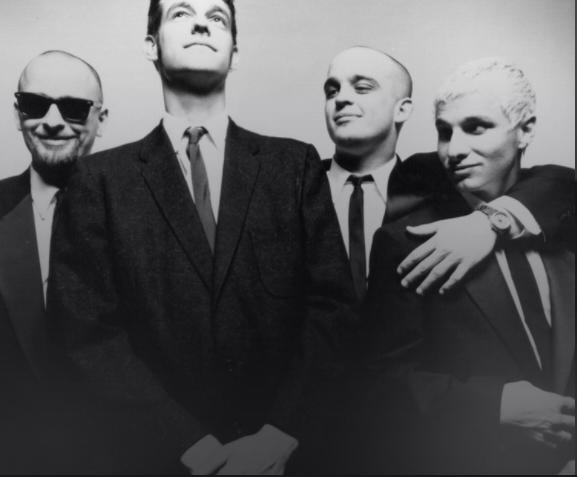
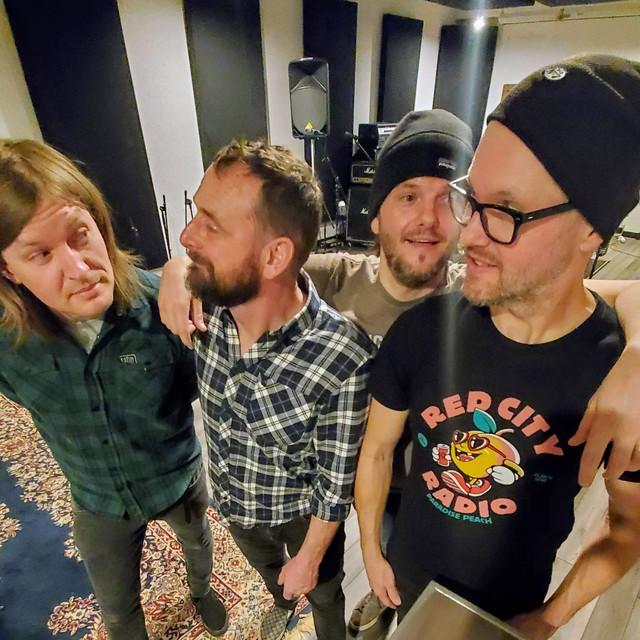
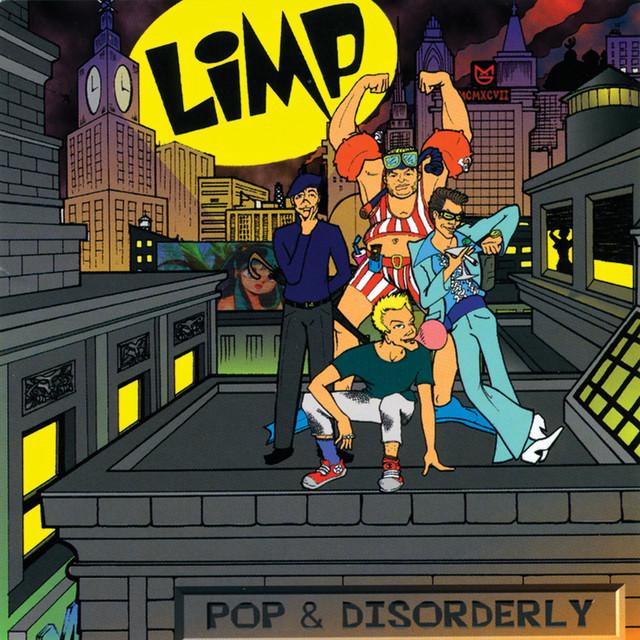
Limp’s Spotify BioAlternative pop/rock outfit Limp emerged from the same region that spawned such bands as Neurosis, Fang, Econochrist, and Rancid, building on the roots they planted in the San Francisco Bay Area of California. Following the release in 1997 of Pop and Disorderly, Limp's debut album, the group embarked on a yearlong tour to build up its fan base and encourage support. The following year, the band put together an EP, Fine Girl. The disc consisted of five tunes and was put out by Fueled by Ramen. A second full-length release, Guitarded, followed early in 1999 on the Honest Don's label. College radio soon discovered Guitarded and contributed to its success with frequent airplay. Limp followed up with an eponymous release from Fat Wreck. All three of the group's albums employed producer Ryan Greene, who has worked with such artists as Lagwagon, Cheap Trick, NOFX, and Nerf Herder, among others. Limp has shared the stage with a list of bands that includes Foo Fighters, NOFX, Blink-182,… Unwritten Tour, and the Offspring. The band has toured with Fueled by Ramen labelmate Less Than Jake, as well as Lagwagon, the Donnas, Dance Hall Crashers, Bouncing Souls, and Suicide Machines. Limp's members include drummer Johnny Cruz, bass player Serge Verkhovsky, and guitarist and vocalist Phil Ensor. ~ Linda Seida, Rovi
Viberate is a music analytics platform built for A&Rs, artist managers, labels, booking agents, marketers, and artists.
It helps music professionals track artist growth, analyze audience data, monitor playlist activity, compare artists, follow song performance, and identify opportunities across the music market.
Public artist pages provide a free preview of selected artist data. Paid plans provide access to deeper analytics, historical data, charts, comparisons, playlist tools, exports, alerts, reports, and additional professional features.
Yes. Public Viberate artist pages provide selected artist analytics and music data for free.
Viberate also offers a 7-day free trial of the full platform. A credit card is required to start the trial. The trial includes access to the complete product so users can test deeper artist analytics, historical views, playlist insights, comparisons, charts, exports, alerts, and reporting features before choosing a paid plan.
Viberate provides artist analytics across streaming, playlists, social media, video, radio airplay, songs, and audience markets.
Users can analyze Spotify performance, Spotify and Apple Music playlists, YouTube activity, TikTok and Instagram growth, radio spins, song performance, audience locations, demographics, rankings, and overall artist momentum.
Artist profiles also connect to music charts, similar artists, and comparison tools, helping users benchmark performance and evaluate artists in context.
Viberate updates key artist and track data daily.
For followed artists and tracks, selected data is refreshed multiple times per day. This helps teams monitor playlist changes, streaming movement, audience growth, releases, and campaign performance with more current data.
Update frequency can vary depending on the metric and data source.
Yes. Viberate lets users compare up to five artists side by side across streaming, social media, audience, and engagement metrics.
Users can compare fanbase growth, audience demographics, locations, Spotify performance, social metrics, and other artist data over selected time periods.
Artist comparison can be used for A&R scouting, benchmarking, booking decisions, campaign planning, and evaluating artists with similar audiences or market positions.