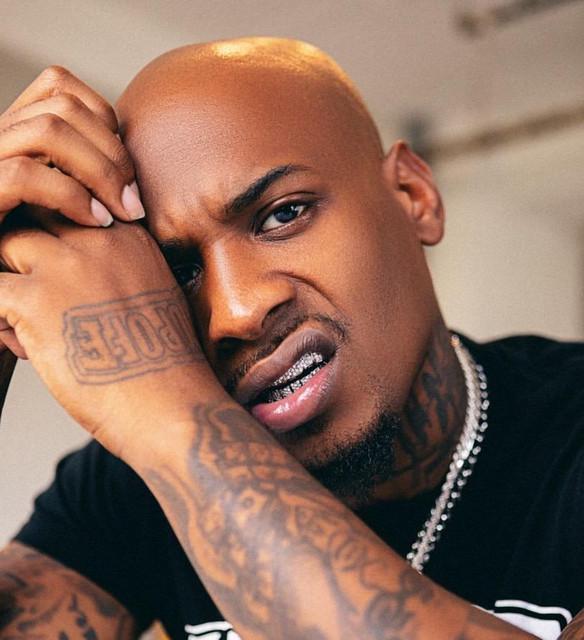
Lil Wil

Hip Hop
Contemporary Hip Hop
 Viberate Rank: 78743
 Viberate Rank: 78743
 Monthly ListenersFollowers
 Subscribers
 Followers
 Followers
 FansTop Spotify Songs
| Track | 7-Day Streams | |
|---|---|---|
1 | 166.12K | |
2 | 44.54K | |
3 | 6.57K | |
4 | 998 | |
5 | 515 |
Top YouTube VideosMonthly ListenersFeatured in Playlists| Playlist | Followers | |
|---|---|---|
1 |  clubbing like it's the 2000's kass !! | 981.12K |
2 | Nick Kin | 152.68K |
3 |  BGC Nights and Pobla Nights🍻 don cortez | 140.05K |
4 |  tiktok songs that are stuck in my head yasmine q | 102.33K |
5 | TWERKING PLAYLIST WAP VIBES stvn412 | 102.05K |
Audience| City | Monthly Listeners | |
|---|---|---|
1 | | 8.18K |
2 | | 6.45K |
3 | | 4.34K |
4 | | 4.06K |
5 | | 3.91K |
See full performance history, audience data, playlist activity, rankings, comparisons, and more in Viberate music analytics. Start with a free trial, then continue with a paid plan.
Lil Wil’s Spotify BioDallas, TX, native Lil' Wil first entered the Billboard charts with the bouncy, Southern dance track, "My Dougie," in late 2007 and early 2008. Wil Martin was born in New Orleans, but moved to Dallas at 11 years of age. His rap career began to take off after moving to Atlanta in 2002. Briefly affiliated with an up-and-coming DJ Toomp, Lil' Wil released a few street albums, but never made much progress there in the mixtape scene. He returned to Dallas and eventually hooked up with reggae artist Rude Bwoy, who started up Rude Bwoy Entertainment and signed Wil to his fledgling imprint. First issued in 2007, the "My Dougie" single spent several weeks on various rap and R&B charts, subsequently garnering him a deal with Asylum. The single's remix also gained lots of airplay and featured 2007 breakout star Soulja Boy. ~ Cyril Cordor, Rovi
Viberate is a music analytics platform built for A&Rs, artist managers, labels, booking agents, marketers, and artists.
It helps music professionals track artist growth, analyze audience data, monitor playlist activity, compare artists, follow song performance, and identify opportunities across the music market.
Public artist pages provide a free preview of selected artist data. Paid plans provide access to deeper analytics, historical data, charts, comparisons, playlist tools, exports, alerts, reports, and additional professional features.
Yes. Public Viberate artist pages provide selected artist analytics and music data for free.
Viberate also offers a 7-day free trial of the full platform. A credit card is required to start the trial. The trial includes access to the complete product so users can test deeper artist analytics, historical views, playlist insights, comparisons, charts, exports, alerts, and reporting features before choosing a paid plan.
Viberate provides artist analytics across streaming, playlists, social media, video, radio airplay, songs, and audience markets.
Users can analyze Spotify performance, Spotify and Apple Music playlists, YouTube activity, TikTok and Instagram growth, radio spins, song performance, audience locations, demographics, rankings, and overall artist momentum.
Artist profiles also connect to music charts, similar artists, and comparison tools, helping users benchmark performance and evaluate artists in context.
Viberate updates key artist and track data daily.
For followed artists and tracks, selected data is refreshed multiple times per day. This helps teams monitor playlist changes, streaming movement, audience growth, releases, and campaign performance with more current data.
Update frequency can vary depending on the metric and data source.
Yes. Viberate lets users compare up to five artists side by side across streaming, social media, audience, and engagement metrics.
Users can compare fanbase growth, audience demographics, locations, Spotify performance, social metrics, and other artist data over selected time periods.
Artist comparison can be used for A&R scouting, benchmarking, booking decisions, campaign planning, and evaluating artists with similar audiences or market positions.