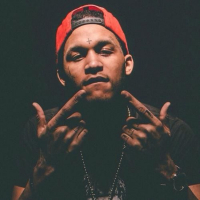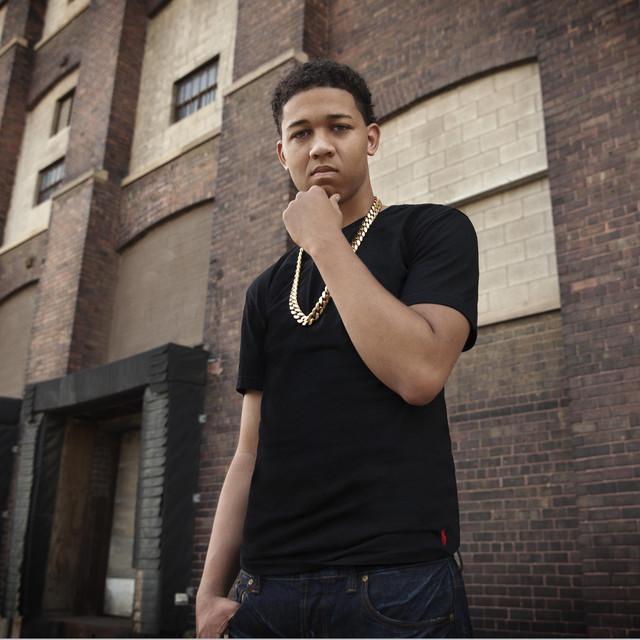
Lil Bibby

Hip Hop
Trap
Drill
 Viberate Rank: 16551
 Viberate Rank: 16551
 Monthly ListenersFollowers
 Subscribers
 Followers
 Followers
 FansTop Spotify SongsTop YouTube Videos
| Video | 7-Day Views | |
|---|---|---|
1 | 57.96K | |
2 | 17.84K | |
3 | 17.14K | |
4 | 16.35K | |
5 | 15.45K |
Monthly ListenersFeatured in Playlists| Playlist | Followers | |
|---|---|---|
1 | Unreleased juice wrld (complete) luke | 246.19K |
2 |  Nicki Minaj Essentials nickiminaj | 228.03K |
3 |  Songs That Get Drunk White Girls Excited Sean Branton | 159.99K |
4 | NEW SH*T || Updated weekly || ORIGINAL RAPCAVIAR Simon Grum | 91.04K |
5 |  A Boogie Wit da Hoodie - The Complete Collection A Boogie Wit da Hoodie | 77.60K |
Audience| City | Monthly Listeners | |
|---|---|---|
1 | | 8.15K |
2 | | 2.19K |
3 |  | 1.79K |
4 | | 1.67K |
5 | | 1.44K |
See full performance history, audience data, playlist activity, rankings, comparisons, and more in Viberate music analytics. Start with a free trial, then continue with a paid plan.
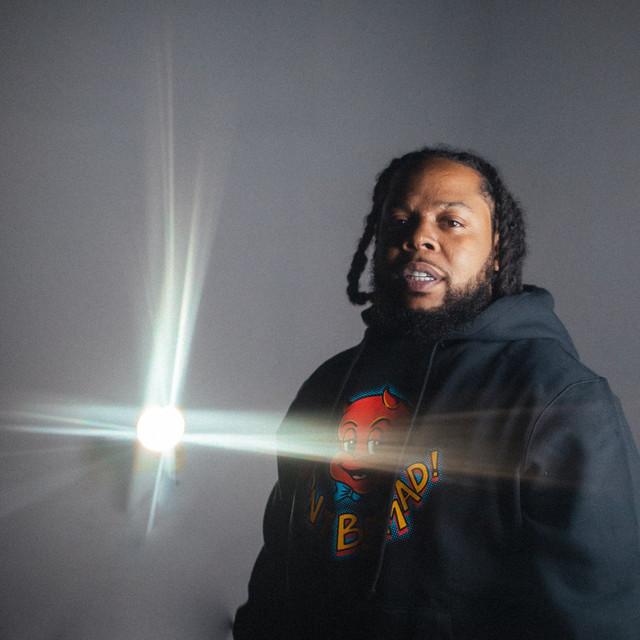
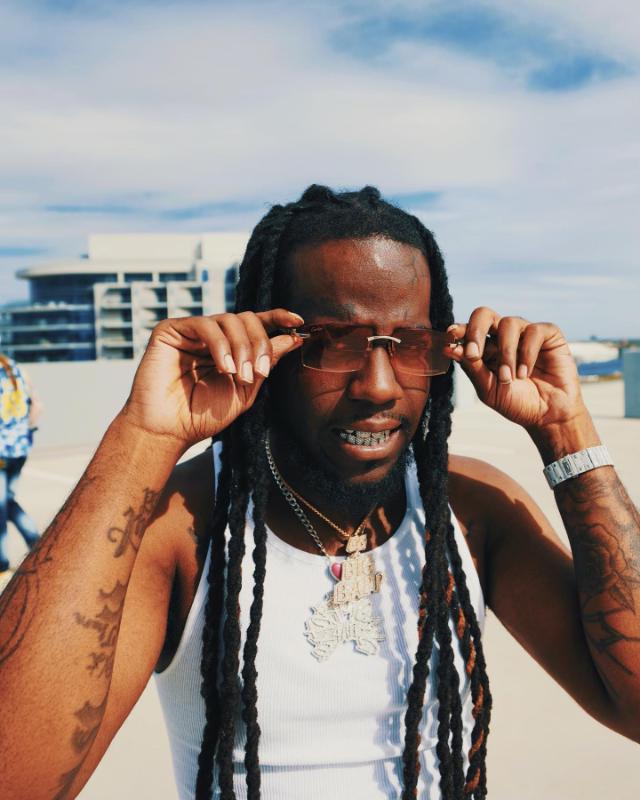
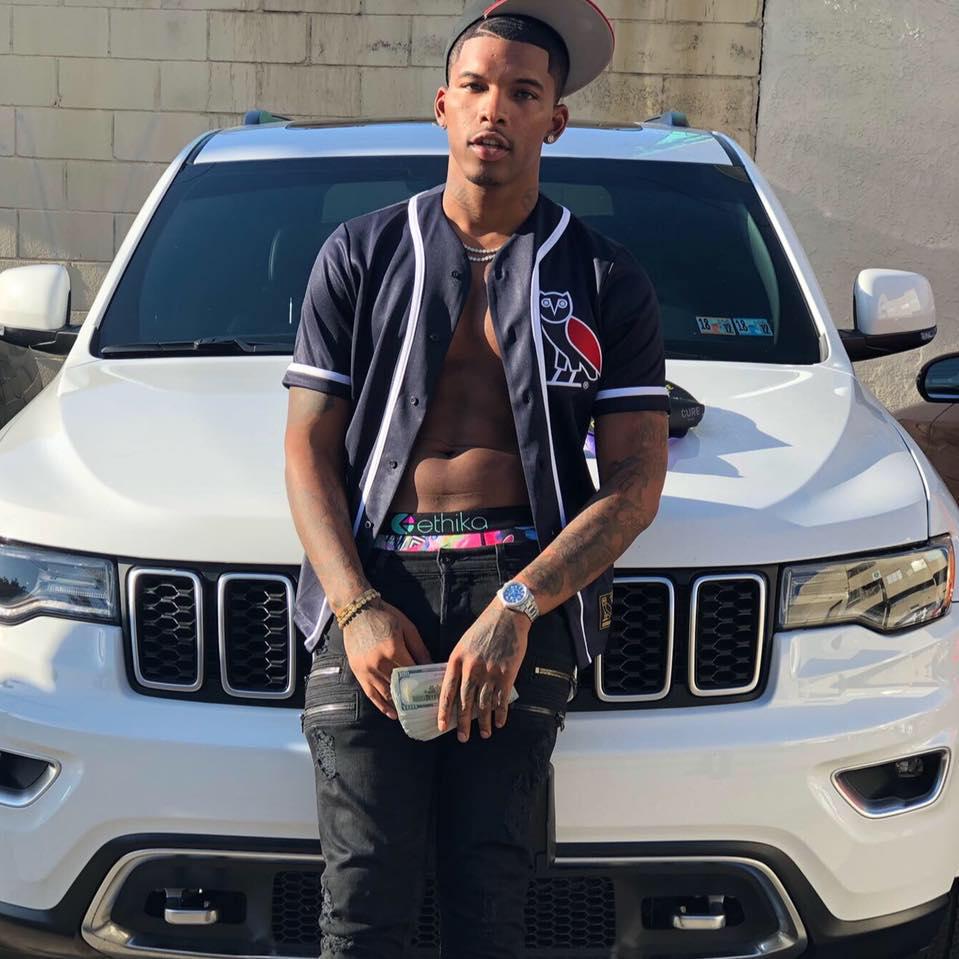
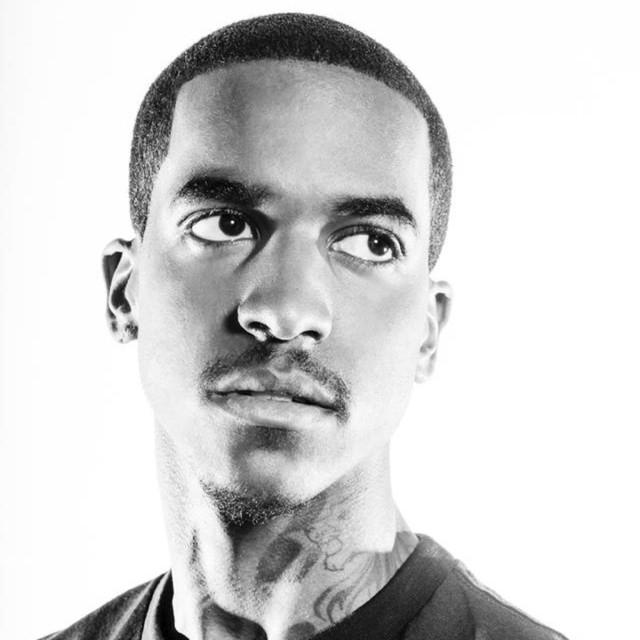
Lil Bibby’s Spotify BioWith a deep voice that masked his youth when he began performing as a teen, Lil Bibby is a rapper from Chicago. Born Brandon Dickinson, he emerged from a childhood that witnessed violence and drug addiction, channeling anger into heavy lyrics. With a title that references fellow Chicagoan Kanye West's song "Crack Music," his first mixtape, Free Crack, appeared in 2013. Vibe magazine declared him a rapper to watch, and Free Crack II followed a year later, with Free Crack III arriving in 2015. The mixtapes led to a record deal with RCA label Kemosabe Records, which released his first studio album, FC3: The Epilogue, in late 2015. In the meantime, he appeared on a number of tracks by other artists, including Lil Herb, Yo Gotti, and Juicy J, whose song "Low" landed on the Billboard R&B/hip-hop chart with featured spots by Lil Bibby, Nicki Minaj, and Young Thug. With a growing fan base, Bibby's "You Ain't Gang" single garnered seven-figure streams upon its release in the summer of 2016. ~… Marcy Donelson, Rovi
Viberate is a music analytics platform built for A&Rs, artist managers, labels, booking agents, marketers, and artists.
It helps music professionals track artist growth, analyze audience data, monitor playlist activity, compare artists, follow song performance, and identify opportunities across the music market.
Public artist pages provide a free preview of selected artist data. Paid plans provide access to deeper analytics, historical data, charts, comparisons, playlist tools, exports, alerts, reports, and additional professional features.
Yes. Public Viberate artist pages provide selected artist analytics and music data for free.
Viberate also offers a 7-day free trial of the full platform. A credit card is required to start the trial. The trial includes access to the complete product so users can test deeper artist analytics, historical views, playlist insights, comparisons, charts, exports, alerts, and reporting features before choosing a paid plan.
Viberate provides artist analytics across streaming, playlists, social media, video, radio airplay, songs, and audience markets.
Users can analyze Spotify performance, Spotify and Apple Music playlists, YouTube activity, TikTok and Instagram growth, radio spins, song performance, audience locations, demographics, rankings, and overall artist momentum.
Artist profiles also connect to music charts, similar artists, and comparison tools, helping users benchmark performance and evaluate artists in context.
Viberate updates key artist and track data daily.
For followed artists and tracks, selected data is refreshed multiple times per day. This helps teams monitor playlist changes, streaming movement, audience growth, releases, and campaign performance with more current data.
Update frequency can vary depending on the metric and data source.
Yes. Viberate lets users compare up to five artists side by side across streaming, social media, audience, and engagement metrics.
Users can compare fanbase growth, audience demographics, locations, Spotify performance, social metrics, and other artist data over selected time periods.
Artist comparison can be used for A&R scouting, benchmarking, booking decisions, campaign planning, and evaluating artists with similar audiences or market positions.