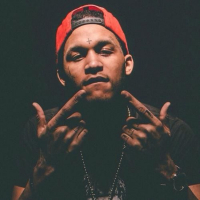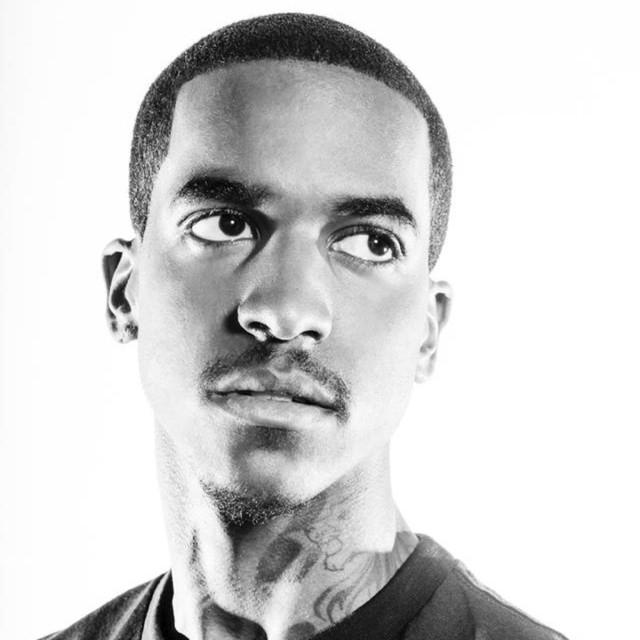
Lil Reese

Hip Hop
Contemporary Hip Hop
Drill
 Viberate Rank: 11279
 Viberate Rank: 11279
 Monthly ListenersFollowers
 Subscribers
 Followers
 Followers
 FansTop Spotify Songs
| Track | 7-Day Streams | |
|---|---|---|
1 | 1.97M | |
2 | 43.01K | |
3 | 39.20K | |
4 | 31.56K | |
5 | 15.88K |
Top YouTube VideosMonthly ListenersFeatured in Playlists| Playlist | Followers | |
|---|---|---|
1 |  Rap Hits (2010 - 2023) Membrives | 389.49K |
2 |  2010s Hip-Hop Spotify | 388.73K |
3 |  Frat Party Spotify | 378.11K |
4 |  Workout Songs For The Gym 2026 Hype Songs Club | 337.82K |
5 |  Best Hip Hop Hits Mega Hits | 257.95K |
Audience| City | Monthly Listeners | |
|---|---|---|
1 | | 12.41K |
2 |  | 3.82K |
3 | | 3.58K |
4 | | 3.23K |
5 | | 2.90K |
See full performance history, audience data, playlist activity, rankings, comparisons, and more in Viberate music analytics. Start with a free trial, then continue with a paid plan.
Lil Reese’s Spotify BioA product of Chicago's South Side, Lil Reese, born Tavares Taylor, broke out of the Midwest with an appearance on "I Don't Like," one of the wrathful 2012 hit singles by fellow Windy City native Chief Keef. As the track was on its way to the Top 20 of Billboard's Hot R&B/Hip-Hop chart, Def Jam officially announced the addition of Taylor to the label's roster. Within two days of that, the self-nicknamed Supa Savage, who was 19 years old at the time, released Don't Like, a mixtape hosted by DJs Drama and Don Cannon. By the end of the year, Def Jam circulated "Us" and "Traffic" (featuring Keef), neither of which made an impact comparable to that of "I Don't Like." Taylor continued to record with other artists, including Juelz Santana and Chicagoans Lil Durk and Fredo Santana. The mixtapes Supa Savage and Supa Savage 2, released respectively in 2013 and 2015, were issued through GBE, or Glory Boyz Entertainment, a label founded by Keef and Fredo Santana. Another mixtape, 300 Degrezz,… surfaced in 2016 with support from RBC. ~ Andy Kellman, Rovi
Viberate is a music analytics platform built for A&Rs, artist managers, labels, booking agents, marketers, and artists.
It helps music professionals track artist growth, analyze audience data, monitor playlist activity, compare artists, follow song performance, and identify opportunities across the music market.
Public artist pages provide a free preview of selected artist data. Paid plans provide access to deeper analytics, historical data, charts, comparisons, playlist tools, exports, alerts, reports, and additional professional features.
Yes. Public Viberate artist pages provide selected artist analytics and music data for free.
Viberate also offers a 7-day free trial of the full platform. A credit card is required to start the trial. The trial includes access to the complete product so users can test deeper artist analytics, historical views, playlist insights, comparisons, charts, exports, alerts, and reporting features before choosing a paid plan.
Viberate provides artist analytics across streaming, playlists, social media, video, radio airplay, songs, and audience markets.
Users can analyze Spotify performance, Spotify and Apple Music playlists, YouTube activity, TikTok and Instagram growth, radio spins, song performance, audience locations, demographics, rankings, and overall artist momentum.
Artist profiles also connect to music charts, similar artists, and comparison tools, helping users benchmark performance and evaluate artists in context.
Viberate updates key artist and track data daily.
For followed artists and tracks, selected data is refreshed multiple times per day. This helps teams monitor playlist changes, streaming movement, audience growth, releases, and campaign performance with more current data.
Update frequency can vary depending on the metric and data source.
Yes. Viberate lets users compare up to five artists side by side across streaming, social media, audience, and engagement metrics.
Users can compare fanbase growth, audience demographics, locations, Spotify performance, social metrics, and other artist data over selected time periods.
Artist comparison can be used for A&R scouting, benchmarking, booking decisions, campaign planning, and evaluating artists with similar audiences or market positions.