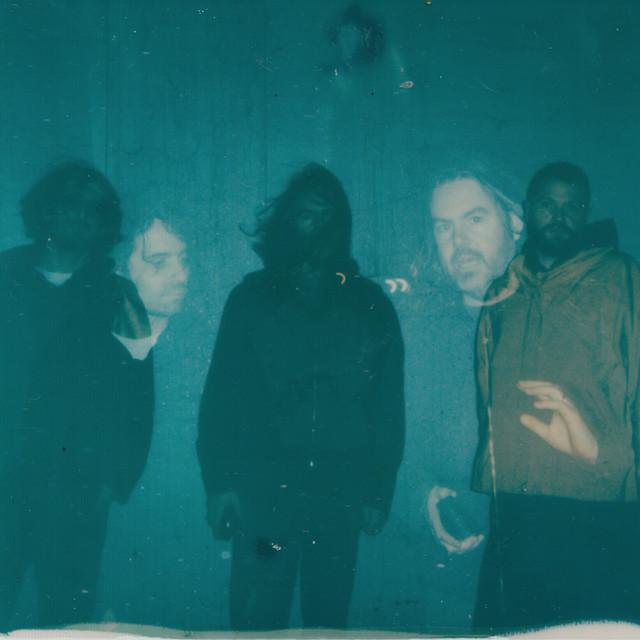
Liars

Rock
Indie Rock
Noise Rock
 Viberate Rank: 63086
 Viberate Rank: 63086
 Monthly ListenersFollowers
 Subscribers
 Followers
 Followers
 FansTop Spotify Songs
| Track | 7-Day Streams | |
|---|---|---|
1 | 8.15K | |
2 | 4.31K | |
3 | 3.43K | |
4 | 3.30K | |
5 | 2.55K |
Top YouTube VideosMonthly ListenersFeatured in Playlists| Playlist | Followers | |
|---|---|---|
1 |  Lucifer Original Soundtrack (All Seasons: 1, 2, 3, 4, 5/5B, 6) KULTPOP! | 291.52K |
2 |  Oblique Spotify | 209.73K |
3 | Music Mix= Laura Taylor | 115.54K |
4 |  Joker 2019 - Official Soundtrack César Muela | 62.36K |
5 |  Social Distancing Distortion Matt Berninger | 35.86K |
Audience| City | Monthly Listeners | |
|---|---|---|
1 |  | 1.77K |
2 | | 1.14K |
3 | | 1.13K |
4 | | 1.08K |
5 |  | 1.06K |
See full performance history, audience data, playlist activity, rankings, comparisons, and more in Viberate music analytics. Start with a free trial, then continue with a paid plan.
Liars’ Spotify BioHelmed by singer, songwriter, and multi-instrumentalist Angus Andrew, the restlessly experimental act Liars never make the same album twice. During the 2000s and 2010s, they evolved from the arty dance-punks of 2001's They Threw Us All in a Trench and Stuck a Monument on Top into a project that transcended genres with every transformation. As they moved from place to place and sound to sound, they swung between vulnerability and aggression on each album -- and sometimes within the course of a single song. Their time in Berlin spanned the insular percussion experiments of 2006's Drum's Not Dead to the postmodern biker rock of 2007's Liars; while in Los Angeles, they celebrated the city's misfits on 2010's alternately claustrophobic and stark Sisterworld and explored emotional confusion with delicate electronics and dream pop on 2012's WIXIW. No matter how their sound changed, Liars exuded a sense of mystery and searching that was only heightened on 2017's TFCF, the project's first album… with Andrew as the sole member, and on the expansive collaborations of 2021's The Apple Drop.
Liars' roots stretch back to late '90s Los Angeles, where Andrew, an Australian photography student at Cal Arts, met songwriter/multi-instrumentalist Aaron Hemphill, a former microbiology student working at a local record store. The pair began working on 4-track recordings soon after, then moved to New York City. It was there that they responded to a musicians' wanted ad placed by bassist Pat Noecker, who'd previously played with Urethra Franklin and Neuromancer, and drummer Ron Albertson, a former member of Mercy Rule. By November 2000, the band was officially christened Liars. Working with Beastie Boys and Lee "Scratch" Perry producer/engineer Steve Revitte, they recorded their debut album They Threw Us All in a Trench and Stuck a Monument on Top in just two days. Upon its October 2001 release via Gern Blandsten, the album's energetic dance-punk helped make a name for the band in New York's burgeoning early-2000s indie rock scene.
Liars signed to Mute Records, which released the EP Fins to Make Us More Fish-Like in July 2002 and reissued They Threw Us All in a Trench that September. After the release of the demos EP We No Longer Knew Who We Were, Noecker and Albertson left the band. The remaining half of Liars recruited Andrew's former Cal Arts classmate Julian Gross as drummer. They debuted as a trio with Atheists, Reconsider, a split EP with Oneida that appeared in December 2002 on Arena Rock Recording Co. The EP's experimental collages hinted at the more challenging direction Liars took on their second album and first for Mute, 2004's They Were Wrong, So We Drowned. Recorded in a cabin in the forests of New Jersey with friend and co-producer Dave Sitek, it was inspired by experimental electronic music and German legends about witchcraft. Liars then moved to Berlin and began work on their third album in an East German broadcast center. Their percussion experiments formed the backbone of 2006's Drum's Not Dead, a concept album revolving around creativity and doubt accompanied by short films by the band and other filmmakers. On the following year's self-titled album, Liars took a more stripped-down approach with more structured songwriting and a harder-edged sound.
Liars relocated to L.A. and took inspiration from the city's loners and outsiders for 2010's Sisterworld, which mixed high-concept atmospherics with blistering outbursts and featured contributions from Jon Brion collaborator Tom Biller. That year, Liars also joined Beck's Record Club project and covered INXS' 1987 album Kick. To record their next album, the band wrote material in a cabin north of L.A. and worked with Mute founder Daniel Miller in their private studio. The result was 2012's WIXIW (pronounced "wish you"), an introspective, relationship-focused set of songs draped in soft electronics that drew comparisons to their previous tourmates Radiohead. The band did another about-face on the brash, industrial-tinged Mess, which arrived in March 2014. After that album's release, Gross left the band due to health issues that made touring and performing difficult, and Hemphill departed Liars amicably at the beginning of 2017. Andrew, the project's sole remaining member, relocated to a remote part of his native Australia, where he wrote songs that incorporated field recordings, acoustic guitar, and lyrics inspired by Hemphill's departure and the death of his father. Those songs became TFCF (short for "Theme from Crying Fountain"), which arrived in August 2017. Following the remix EP VFCF (Variations from Crying Fountain) in early 2018, that July saw the release of Liars' score to director Jeremy Phillips' coming-of-age film 1/1, which Andrew and Hemphill recorded in 2014 shortly after creating Mess. That September, the TFCF outtakes collection Titles with the Word Fountain appeared. Early in 2020, Andrew remixed the track "Top Ticket" from the post-punk supergroup P.E.'s debut album Person, and contributed vocals to Xiu Xiu's 2021 album Oh No. Liars resurfaced that August with their tenth effort, The Apple Drop. Appearing 20 years after the project's debut, the album boasted collaborations with avant-garde jazz drummer Laurence Pike, multi-instrumentalist Cameron Deyell, and lyricist Mary Pearson Andrew as well as a more expansive approach than the TFCF era. ~ Heather Phares, Rovi
Viberate is a music analytics platform built for A&Rs, artist managers, labels, booking agents, marketers, and artists.
It helps music professionals track artist growth, analyze audience data, monitor playlist activity, compare artists, follow song performance, and identify opportunities across the music market.
Public artist pages provide a free preview of selected artist data. Paid plans provide access to deeper analytics, historical data, charts, comparisons, playlist tools, exports, alerts, reports, and additional professional features.
Yes. Public Viberate artist pages provide selected artist analytics and music data for free.
Viberate also offers a 7-day free trial of the full platform. A credit card is required to start the trial. The trial includes access to the complete product so users can test deeper artist analytics, historical views, playlist insights, comparisons, charts, exports, alerts, and reporting features before choosing a paid plan.
Viberate provides artist analytics across streaming, playlists, social media, video, radio airplay, songs, and audience markets.
Users can analyze Spotify performance, Spotify and Apple Music playlists, YouTube activity, TikTok and Instagram growth, radio spins, song performance, audience locations, demographics, rankings, and overall artist momentum.
Artist profiles also connect to music charts, similar artists, and comparison tools, helping users benchmark performance and evaluate artists in context.
Viberate updates key artist and track data daily.
For followed artists and tracks, selected data is refreshed multiple times per day. This helps teams monitor playlist changes, streaming movement, audience growth, releases, and campaign performance with more current data.
Update frequency can vary depending on the metric and data source.
Yes. Viberate lets users compare up to five artists side by side across streaming, social media, audience, and engagement metrics.
Users can compare fanbase growth, audience demographics, locations, Spotify performance, social metrics, and other artist data over selected time periods.
Artist comparison can be used for A&R scouting, benchmarking, booking decisions, campaign planning, and evaluating artists with similar audiences or market positions.