Battles

Rock
Progressive Rock
Math Rock
 Viberate Rank: 52436
 Viberate Rank: 52436
 Monthly ListenersFollowers
 Subscribers
 Followers
 Followers
 FansTop Spotify Songs
| Track | 7-Day Streams | |
|---|---|---|
1 | 16.06K | |
2 | 3.52K | |
3 | 3.33K | |
4 | 3.06K | |
5 | 2.96K |
Top YouTube Videos| Video | 7-Day Views | |
|---|---|---|
1 | 5.71K | |
2 | 3.46K | |
3 | 1.75K | |
4 | 1.29K | |
5 | 1.27K |
Monthly ListenersFeatured in Playlists| Playlist | Followers | |
|---|---|---|
1 |  Math Rock Spotify | 228.64K |
2 |  🪐🪐🪐🪐🪐🪐🪐🪐☼:̴͓̞̑̌̂̆̊͋̀:̸͎̟̯̂̓̌:̶̢͙͙͕̠̩͆ ⃝🟠 ̴̤̻̀(̵̙̺̳̩͐͗́͑͋̓̕͜ͅ(̵̺͖̤͌͂͑̐̕o̶̢̘͔̒̈̑̒͊v̴̢͚͚͎͎̞͒͊̎ȯ̶̞̮͖̑̈́̿ ☼:̴͓̞̑̌̂̆̊͋̀:̸͎̟̯̂̓̌:̶̢͙͙͕̠̩͆(̷̮͍͚̫͚͂̍)̵̳̗̊( 🟠🟢⦿🔵🟡\̸̧͔̰̳̦̣̪̈̏̓ ̴̡̛̅͐͛̀̽/̶̱̼̣̤̰̲̣̈́̋͌̿̄̍̊\̴̲̣̝̀͜ͅ🔴🫧✨🫧 ̵̨̛̱̥͕́̎́̐͝/̸̠̜̅̐͊̋̿̐̓\̸̧͔̰̳̦̣̪̈̏̓ ̴̡̛̅͐͛̀̽🥏🟠/̶̱̼̣̤̰̲̣̈́̋͌̿̄̍̊\̴̲̣̝̀͜ͅ💥 ̸̝̮̟̹̀̆̋̿ ̴̤̻̀🥭(̵̙̺̳̩͐͗́͑͋̓̕͜ͅ(̵̺͖̤͌͂͑̐̕o̶̢̘͔̒̈̑̒͊🔵:̸͎̟̯̂̓̌:̶̢͙͙͕̠̩͆(̷̮͍͚̫͚͂̍)̵̳̗̊(🟠🪐 Four Tet | 210.46K |
3 |  Superman Official Playlist Spotify | 131.25K |
4 | While You Work (@whileyouwork) Eli Feghali | 81.75K |
5 |  SKINS SOUNDTRACK season 1, 2, 3, 4, 5, 6 and 7 (all seasons) Christel Aurora Hilmo | 65.42K |
Audience| City | Monthly Listeners | |
|---|---|---|
1 |  | 1.51K |
2 |  | 1.42K |
3 | | 1.10K |
4 | | 941 |
5 | | 928 |
See full performance history, audience data, playlist activity, rankings, comparisons, and more in Viberate music analytics. Start with a free trial, then continue with a paid plan.
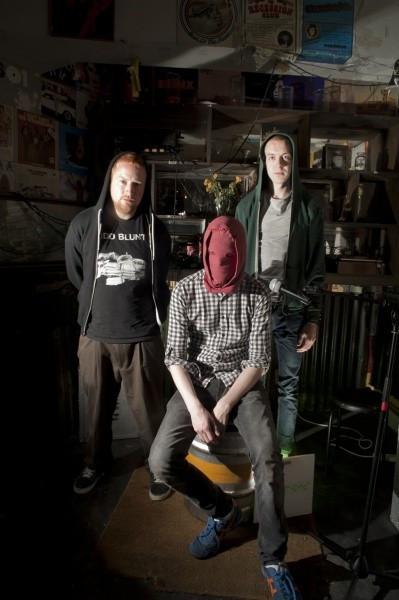
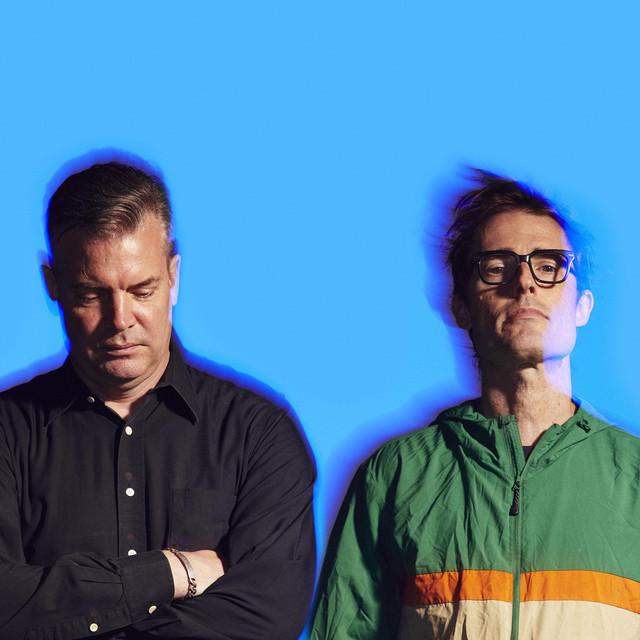
Battles’ Spotify BioHelmed by Ian Williams and John Stanier, Battles ignore traditional genre boundaries to create music that's as engaging as it is inventive and technically proficient. Their lively sound combines and reimagines post-rock, prog, psych, electronic music, post-punk, and more in colorful, constantly evolving ways. Their 2007 debut, Mirrored -- the band's first and only album with Tyondai Braxton -- positioned them as avant-rock futurists, but following his departure, Battles broadened their scope. On 2011's Gloss Drop, they emphasized the catchiest side of their experiments with a cast of guest vocalists; with 2015's all-instrumental La Di Da Di, they proved their music had just as many hooks even without words. By the time of 2019's Juice B Crypts, Battles' lineup was down to a duo, but the wit and sense of adventure in their sound continued to grow.
Battles formed in New York City in 2002 with the lineup of guitarist/keyboardist Ian Williams, drummer/percussionist John Stanier,… bassist/guitarist Dave Konopka, and guitarist/keyboardist/vocalist Tyondai Braxton. All four members boasted impressive pedigrees within the world of experimental rock: A Pittsburgh native, Williams played in bands throughout high school and joined the acclaimed math-rock band Don Caballero in 1992, staying with them for eight years. He also played with Chicago's avant-garde trio Storm & Stress from 1997 to 2000. Stanier also grew up in Pittsburgh (as well as Florida) and, though he never took formal drum-set lessons, he played with a Florida drum corps during their winter/spring camps and studied orchestral percussion at the University of South Florida. He used his training and love of hardcore punk to create a formidable signature style that he refined with bands including Helmet and Tomahawk prior to joining Battles. Braxton began performing and writing in Middletown, Connecticut, in the early '90s after studying composition at the University of Hartford's Hartt School, while Konopka came from the Boston math-rock band Lynx and also made a name for himself as a graphic designer.
While Battles' background was impressive, the band's members wanted to challenge themselves with this project, and took time to develop a sound that borrowed from electronic music and sounds from around the world. After more than a year of lengthy jam sessions, the group recruited their friend Emery Dobyns to record them at New York's Dubway Studios late at night. Battles' debut EP, C, appeared on Monitor Records in June 2004; that September, the B EP on Dim Mak followed. The dynamic sound of these releases attracted the attention of Warp Records, who signed Battles and released the compilation C/B in February 2006. Meanwhile, the band worked on their first full-length with Keith Souza at the Rhode Island studio Machines with Magnets. Released in May 2007, Mirrored expanded on Battles' sound with more ambitious songwriting and heavily processed vocals courtesy of Braxton, and earned widespread critical acclaim. That June, the album peaked at number 26 on Billboard's Independent Albums Chart. In October, the Tonto+ EP added more dimensions to one of Mirrored's key tracks.
After touring in support of Mirrored, Battles began working on songs for their second album. However, in mid-2010, Braxton left the band to focus on his solo career. In a matter of months, the remaining lineup completely revamped the material they'd been writing and brought on vocalists including Gary Numan, Boredoms' Yamantaka Eye, and Blonde Redhead's Kazu Makino. Gloss Drop, which also featured the upbeat Matias Aguayo collaboration "Ice Cream," appeared in June 2011 and reached number 19 on the Independent Albums Chart. The following year, Battles further unpacked the album's wide-ranging sounds with remixes by producers such as Gui Boratto, Kode9, and Hudson Mohawke; these were originally issued as a series of EPs that were compiled in that April's Dross Glop. For their next album, the band returned to an entirely instrumental approach. Working once again at Machines with Magnets, Battles drew on Afro-beat, reggae, and techno influences to create September 2015's La Di Da Di. The next month, the album hit number 33 on the Independent Albums Chart.
Following La Di Da Di's release and tour, Battles took some time off, during which Stanier performed with the 8G Band on Late Night with Seth Meyers. Stanier also collaborated with the producer Rone, appearing on his 2017 album Mirapolis and performing with him. The following year, Konopka left the band, and Williams and Stanier played Battles' first shows as a duo. For their fourth album, the pair worked with producer/mixer Chris Tabron at Brooklyn's Rumours studio, marking Battles' first time recording in their hometown. Echoing their approach on Gloss Drop, Stanier and Williams teamed up with a wide array of guest vocalists, including Liquid Liquid's Sal Principato, Yes' Jon Anderson, Tune-Yards' Merrill Garbus, and Shabazz Palaces' Ishmael Butler. Inspired by New York City, October 2019's Juice B Crypts featured some of the band's most tightly meshed rock and electronic sounds. That November, the album peaked at number 23 on the Independent Albums Chart. ~ Heather Phares, Rovi
Viberate is a music analytics platform built for A&Rs, artist managers, labels, booking agents, marketers, and artists.
It helps music professionals track artist growth, analyze audience data, monitor playlist activity, compare artists, follow song performance, and identify opportunities across the music market.
Public artist pages provide a free preview of selected artist data. Paid plans provide access to deeper analytics, historical data, charts, comparisons, playlist tools, exports, alerts, reports, and additional professional features.
Yes. Public Viberate artist pages provide selected artist analytics and music data for free.
Viberate also offers a 7-day free trial of the full platform. A credit card is required to start the trial. The trial includes access to the complete product so users can test deeper artist analytics, historical views, playlist insights, comparisons, charts, exports, alerts, and reporting features before choosing a paid plan.
Viberate provides artist analytics across streaming, playlists, social media, video, radio airplay, songs, and audience markets.
Users can analyze Spotify performance, Spotify and Apple Music playlists, YouTube activity, TikTok and Instagram growth, radio spins, song performance, audience locations, demographics, rankings, and overall artist momentum.
Artist profiles also connect to music charts, similar artists, and comparison tools, helping users benchmark performance and evaluate artists in context.
Viberate updates key artist and track data daily.
For followed artists and tracks, selected data is refreshed multiple times per day. This helps teams monitor playlist changes, streaming movement, audience growth, releases, and campaign performance with more current data.
Update frequency can vary depending on the metric and data source.
Yes. Viberate lets users compare up to five artists side by side across streaming, social media, audience, and engagement metrics.
Users can compare fanbase growth, audience demographics, locations, Spotify performance, social metrics, and other artist data over selected time periods.
Artist comparison can be used for A&R scouting, benchmarking, booking decisions, campaign planning, and evaluating artists with similar audiences or market positions.