Leviathan

Metal
Black Metal
 Viberate Rank: 94648
 Viberate Rank: 94648
 Monthly ListenersFollowers
 Subscribers
 Followers
 Followers
 FansTop Spotify Songs
| Track | 7-Day Streams | |
|---|---|---|
1 | 5.39K | |
2 | 3.97K | |
3 | 2.33K | |
4 | 1.69K | |
5 | 1.36K |
Top YouTube VideosMonthly ListenersFeatured in Playlists| Playlist | Followers | |
|---|---|---|
1 |  Black Metal Essentials Adamlyt | 72.21K |
2 | black metal ⛧ alex666 | 69.25K |
3 |  DSBM Jeokras | 37.02K |
4 |  Atmospheric Black Metal Jorge Urosa Alonso | 36.97K |
5 |  the backrooms paige | 35.56K |
Audience| City | Monthly Listeners | |
|---|---|---|
1 | | 459 |
2 |  | 406 |
3 |  | 385 |
4 | | 356 |
5 |  | 328 |
See full performance history, audience data, playlist activity, rankings, comparisons, and more in Viberate music analytics. Start with a free trial, then continue with a paid plan.
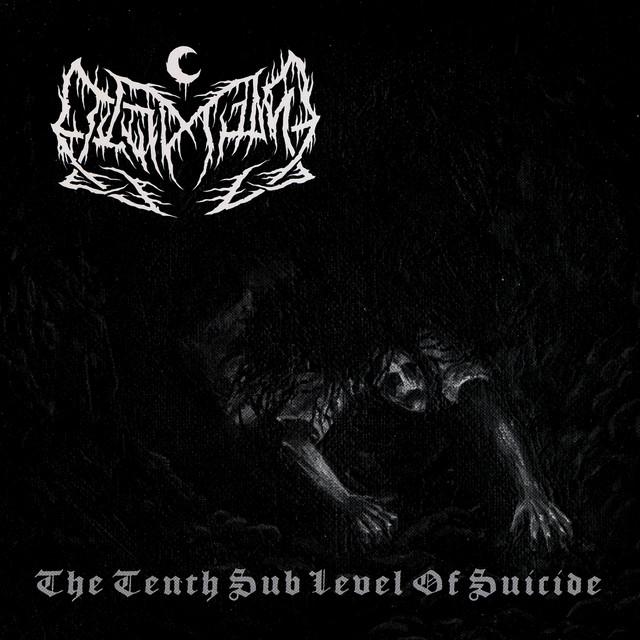
Leviathan’s Spotify BioInspired by Scandinavian one-man black metal entrepreneurs like Bathory's Quorthon, Burzum's Count Grishnackh, and the ubiquitous Mortiis, San Francisco native Jef Whitehead adopted the nom de guerre Wrest in 1998 and soon began self-recording and releasing demos under the Leviathan heading. Within five years, these already numbered more than a dozen and were partly compiled on 2002's Verräter collection; but Leviathan continued to favor short-form demos, EPs, and split releases (with the likes of Crebain, Xasthur, and Sapthuran) in the years that followed, only committing to full-length efforts with 2003's The Tenth Sub-Level of Suicide and 2004's Tentacles of Whorror. Wrest has also contributed his undead vocal talents to albums by Sunn 0))). In 2005, Wrest formed Twilight, a black metal supergroup, with members of other iconic bands (Xasthur, Krieg, Isis, Nachtmystium, and Sonic Youth), releasing three albums (2005's self-titled, 2010's Monument to Time End, and III: Beneath… Trident's Tomb in 2014). At the same time Twilight was formed, Wrest released an album under the Leviathan moniker: the collection of demos Howl Mockery at the Cross. The next year, he released a two-EP combo -- Speed of Darkness and The Blind Wound -- the latter of which was a re-release of a split album with Sapthuran. Fourth album Massive Conspiracy Against All Life came in 2008. In 2011, inspired by events surrounding a sexual assault and domestic violence charge, Wrest released True Traitor, True Whore. Afterward, he moved to Portland, Oregon, started his own label (Profound Lore), a tattoo business, and a family. Four years later, his critically acclaimed sixth album, Scar Sighted, birthed another dose of darkness into the music world. In 2016, Dutch label Hammerheart offered deluxe reissues of Leviathan's first four albums along with the 2005 compilation A Silhouette in Splinters. ~ Eduardo Rivadavia & Neil Z. Yeung, Rovi
Viberate is a music analytics platform built for A&Rs, artist managers, labels, booking agents, marketers, and artists.
It helps music professionals track artist growth, analyze audience data, monitor playlist activity, compare artists, follow song performance, and identify opportunities across the music market.
Public artist pages provide a free preview of selected artist data. Paid plans provide access to deeper analytics, historical data, charts, comparisons, playlist tools, exports, alerts, reports, and additional professional features.
Yes. Public Viberate artist pages provide selected artist analytics and music data for free.
Viberate also offers a 7-day free trial of the full platform. A credit card is required to start the trial. The trial includes access to the complete product so users can test deeper artist analytics, historical views, playlist insights, comparisons, charts, exports, alerts, and reporting features before choosing a paid plan.
Viberate provides artist analytics across streaming, playlists, social media, video, radio airplay, songs, and audience markets.
Users can analyze Spotify performance, Spotify and Apple Music playlists, YouTube activity, TikTok and Instagram growth, radio spins, song performance, audience locations, demographics, rankings, and overall artist momentum.
Artist profiles also connect to music charts, similar artists, and comparison tools, helping users benchmark performance and evaluate artists in context.
Viberate updates key artist and track data daily.
For followed artists and tracks, selected data is refreshed multiple times per day. This helps teams monitor playlist changes, streaming movement, audience growth, releases, and campaign performance with more current data.
Update frequency can vary depending on the metric and data source.
Yes. Viberate lets users compare up to five artists side by side across streaming, social media, audience, and engagement metrics.
Users can compare fanbase growth, audience demographics, locations, Spotify performance, social metrics, and other artist data over selected time periods.
Artist comparison can be used for A&R scouting, benchmarking, booking decisions, campaign planning, and evaluating artists with similar audiences or market positions.