Bethlehem

Metal
Black Metal
 Viberate Rank: 87503
 Viberate Rank: 87503
 Monthly ListenersFollowers
 Subscribers
 Followers
 Followers
 FansTop Spotify Songs
| Track | 7-Day Streams | |
|---|---|---|
1 | 6.11K | |
2 | 5.23K | |
3 | 3.36K | |
4 | 2.72K | |
5 | 2.65K |
Top YouTube VideosMonthly ListenersFeatured in Playlists| Playlist | Followers | |
|---|---|---|
1 |  Black Metal Essentials Adamlyt | 72.21K |
2 | black metal ⛧ alex666 | 69.25K |
3 |  The Sound of Everything The Sounds of Spotify | 53.81K |
4 |  DSBM Jeokras | 37.02K |
5 |  Atmospheric Black Metal Jorge Urosa Alonso | 36.97K |
Audience| City | Monthly Listeners | |
|---|---|---|
1 |  | 822 |
2 |  | 676 |
3 |  | 542 |
4 |  | 446 |
5 | | 422 |
See full performance history, audience data, playlist activity, rankings, comparisons, and more in Viberate music analytics. Start with a free trial, then continue with a paid plan.
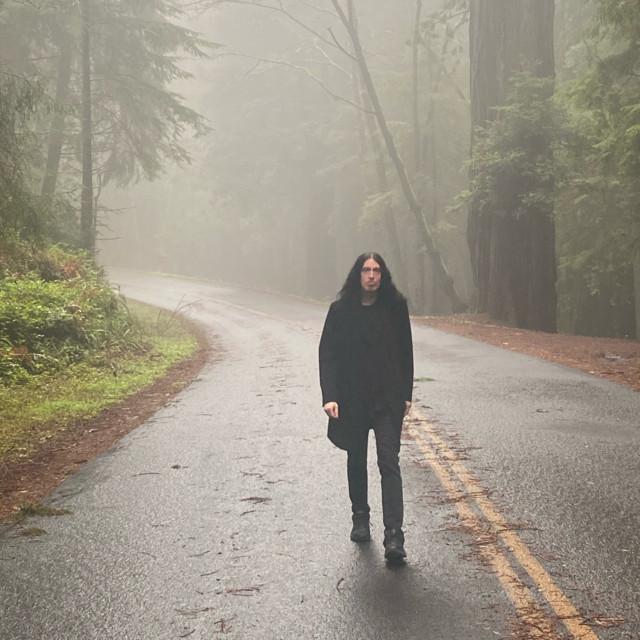
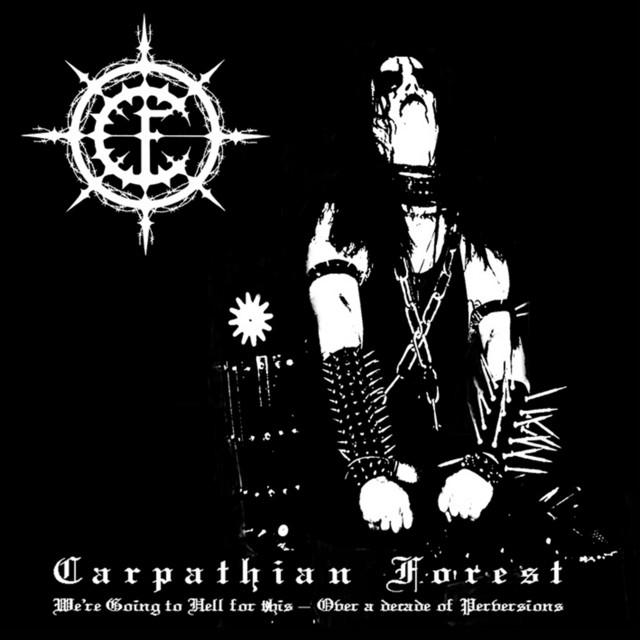
Bethlehem’s Spotify BioA punishing German depressive black metal group united by a morbid, almost pathological fascination with suicide, madness, sickness, and death, Bethlehem emerged in the early 1990s with a style that hewed closely to the frosty tenets of doomy European black metal. Debuting in 1994 with the uncompromising and aptly named Dark Metal, the band would add elements of industrial and post-metal to their sonic arsenal on later offerings like A Sacrificial Offering to the Kingdom of Heaven in a Cracked Dog's Ear (2010), before returning to the icy miasma of earlier offerings with Bethlehem (2014) and Lebe Dich Leer (2019).
Having grown tired of the thrash-based aggressions of their earlier joint project, Dark Tempest, bassist Jürgen Bartsch and guitarist Klaus Matton (who as a boy lost his father to suicide and mother to cancer) founded Bethlehem in 1991. Along with vocalist Andreas Classen and drummer Chris Steinhoff, they proceeded to channel their rampant negativity into the moody,… atmospheric brand of dark/black metal (punctuated by tortured shrieking) presented on 1994's Thy Pale Dominion 7" EP and 1995's seminal full-length debut Dark Metal. Their spirits did not improve on subsequent, despair-drenched outings like 1996's Dictus Te Necare (translation: "Kill Yourself"), 1997's S.U.I.Z.I.D. (full title: Sardonischer Untergang Im Zeichen Irreliogiosen Darbietung), and 1998's Reflektionen Auf's Sterben EP, and various vocalists, drummers, and keyboard players sifted through their ranks as well.
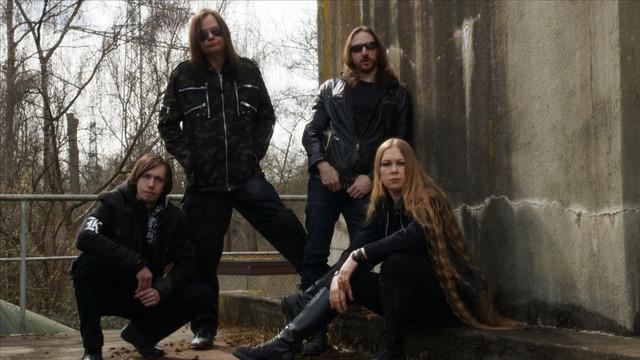
Bethlehem also ran into quite a bit of trouble with German authorities over their perceived glorification of death and, among many tasteless self-promotion stunts, claiming that former singer Classen had "offed" himself. The band managed to stay a few steps ahead of the law, however, and even endured the departure of leader-in-misery Matton to complete 2001's ambitiously avant-garde industrial-tinged double-disc set Schatten Aus der Alexander Welt. Heading into 2002, the Bethlehem lineup consisted of founder Bartsch, Guido Meyer de Voltaire (vocals), Olaf Eckhardt (guitar), Reiner Tiedemann (keyboards), and Steve Wolz (drums), and was hard at work on an interactive release under the disturbing title Suicide Radio. The following year saw the release of the group's fifth full-length studio effort, Mein Weg, with the punitive A Sacrificial Offering to the Kingdom of Heaven in a Cracked Dog's Ear arriving in 2009.
Bethlehem continued to explore new sonic territories on 2014's industrial-tinged Hexakosioihexekontahexaphobia, which means fear of the number 666, but reverted back to their bleak, doom-laden black metal past on 2016's eponymous Bethlehem. They continued in that suicidal black metal vein on 2019's Lebe Dich Leer, which marked the debut of frontwoman Onielar, formerly of Darkened Nocturn Slaughtercult. ~ Eduardo Rivadavia, Rovi
Viberate is a music analytics platform built for A&Rs, artist managers, labels, booking agents, marketers, and artists.
It helps music professionals track artist growth, analyze audience data, monitor playlist activity, compare artists, follow song performance, and identify opportunities across the music market.
Public artist pages provide a free preview of selected artist data. Paid plans provide access to deeper analytics, historical data, charts, comparisons, playlist tools, exports, alerts, reports, and additional professional features.
Yes. Public Viberate artist pages provide selected artist analytics and music data for free.
Viberate also offers a 7-day free trial of the full platform. A credit card is required to start the trial. The trial includes access to the complete product so users can test deeper artist analytics, historical views, playlist insights, comparisons, charts, exports, alerts, and reporting features before choosing a paid plan.
Viberate provides artist analytics across streaming, playlists, social media, video, radio airplay, songs, and audience markets.
Users can analyze Spotify performance, Spotify and Apple Music playlists, YouTube activity, TikTok and Instagram growth, radio spins, song performance, audience locations, demographics, rankings, and overall artist momentum.
Artist profiles also connect to music charts, similar artists, and comparison tools, helping users benchmark performance and evaluate artists in context.
Viberate updates key artist and track data daily.
For followed artists and tracks, selected data is refreshed multiple times per day. This helps teams monitor playlist changes, streaming movement, audience growth, releases, and campaign performance with more current data.
Update frequency can vary depending on the metric and data source.
Yes. Viberate lets users compare up to five artists side by side across streaming, social media, audience, and engagement metrics.
Users can compare fanbase growth, audience demographics, locations, Spotify performance, social metrics, and other artist data over selected time periods.
Artist comparison can be used for A&R scouting, benchmarking, booking decisions, campaign planning, and evaluating artists with similar audiences or market positions.