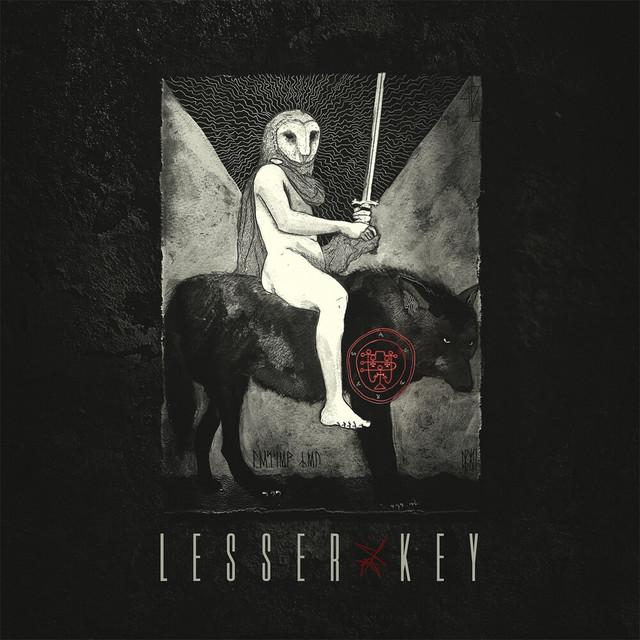
Lesser Key

Rock
Progressive Rock
Progressive Metal
 Viberate Rank: 367885
 Viberate Rank: 367885
 Monthly ListenersFollowers
 Subscribers
 Followers
 Followers
 FansTop Spotify Songs
| Track | 7-Day Streams | |
|---|---|---|
1 | 347 | |
2 | 229 | |
3 | 190 | |
4 | 138 | |
5 | 124 |
Top YouTube VideosMonthly ListenersFeatured in Playlists| Playlist | Followers | |
|---|---|---|
1 |  Instrumental Inspiration Sumerian Records | 19.06K |
2 | 1273922645 | 9.06K |
3 |  Mom, It's Not Devil Music! Sumerian Records | 6.99K |
4 |  Best Rock Covers Roberto Enrico Lattanzio | 4.02K |
5 | Reading & Leeds 2014 Official Playlist Reading and Leeds Festival | 3.27K |
Audience| City | Monthly Listeners | |
|---|---|---|
1 |  | 29 |
2 | | 22 |
3 |  | 20 |
4 | | 19 |
5 | | 16 |
See full performance history, audience data, playlist activity, rankings, comparisons, and more in Viberate music analytics. Start with a free trial, then continue with a paid plan.
Lesser Key’s Spotify BioThough Paul D'Amour left Tool in 1995, the year before the band would release the groundbreaking Ænima, the bass player continued to make music, playing with bands like Lusk before falling off the music radar for a while. D'Amour quietly recorded music solo under the name Feersum Ennjin, but with Lesser Key, the bassist returns to the group setting with a sound that evokes his early art-metal work. Made up of D'Amour, singer Andrew Zamudio, guitarist Brett Fanger, and drummer Justin Hanson, Lesser Key has a sound that explores the more atmospheric fringes of the rock world. The band signed to Sumerian Records in 2013, where they debuted their first single, "Intercession," which appeared on the band's Sylvia Massey-produced eponymous EP in 2014. ~ Gregory Heaney, Rovi
Viberate is a music analytics platform built for A&Rs, artist managers, labels, booking agents, marketers, and artists.
It helps music professionals track artist growth, analyze audience data, monitor playlist activity, compare artists, follow song performance, and identify opportunities across the music market.
Public artist pages provide a free preview of selected artist data. Paid plans provide access to deeper analytics, historical data, charts, comparisons, playlist tools, exports, alerts, reports, and additional professional features.
Yes. Public Viberate artist pages provide selected artist analytics and music data for free.
Viberate also offers a 7-day free trial of the full platform. A credit card is required to start the trial. The trial includes access to the complete product so users can test deeper artist analytics, historical views, playlist insights, comparisons, charts, exports, alerts, and reporting features before choosing a paid plan.
Viberate provides artist analytics across streaming, playlists, social media, video, radio airplay, songs, and audience markets.
Users can analyze Spotify performance, Spotify and Apple Music playlists, YouTube activity, TikTok and Instagram growth, radio spins, song performance, audience locations, demographics, rankings, and overall artist momentum.
Artist profiles also connect to music charts, similar artists, and comparison tools, helping users benchmark performance and evaluate artists in context.
Viberate updates key artist and track data daily.
For followed artists and tracks, selected data is refreshed multiple times per day. This helps teams monitor playlist changes, streaming movement, audience growth, releases, and campaign performance with more current data.
Update frequency can vary depending on the metric and data source.
Yes. Viberate lets users compare up to five artists side by side across streaming, social media, audience, and engagement metrics.
Users can compare fanbase growth, audience demographics, locations, Spotify performance, social metrics, and other artist data over selected time periods.
Artist comparison can be used for A&R scouting, benchmarking, booking decisions, campaign planning, and evaluating artists with similar audiences or market positions.