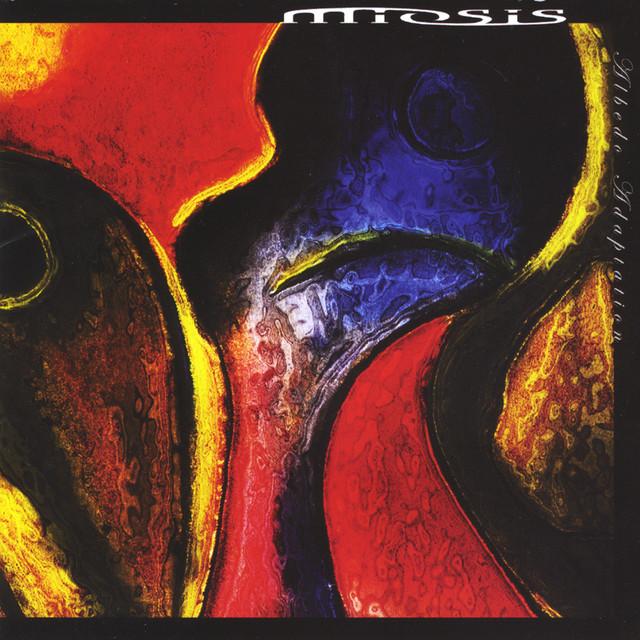
Ceterum

Rock
Progressive Rock
Progressive Metal
 Viberate Rank: 356859
 Viberate Rank: 356859
 Monthly ListenersFollowers
 Subscribers
 Followers
 Followers
 FansTop Spotify SongsTop YouTube VideosMonthly ListenersFeatured in Playlists
| Playlist | Followers | |
|---|---|---|
1 | TOOL Gordon Thomas | 78.30K |
2 |  TOOL - rock inspired by Maynard Keenan, the Deftones, Nine Inch Nails, A Perfect Circle and Puscifer Jerry G | 72.40K |
3 |  SEKKDS 10K x 10K SEKKDS | 4.00K |
4 |  Rock/Metal Essentials Alien | 2.74K |
5 |  TOOL-core jpmusic | 2.68K |
Audience| City | Monthly Listeners | |
|---|---|---|
1 |  | 14 |
2 | | 13 |
3 |  | 8 |
4 | | 7 |
5 |  | 7 |
See full performance history, audience data, playlist activity, rankings, comparisons, and more in Viberate music analytics. Start with a free trial, then continue with a paid plan.
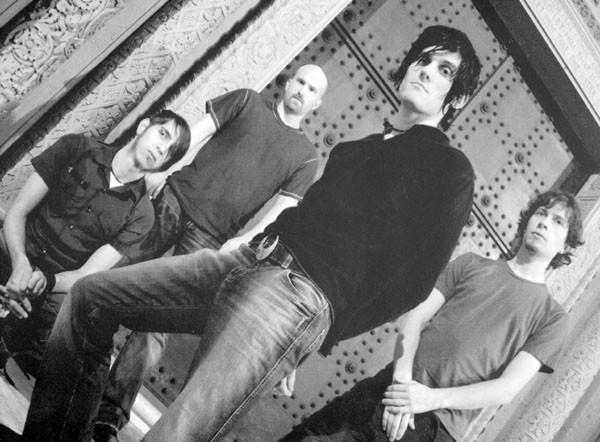
Ceterum’s Spotify BioInitially presenting a complex style derived from numerous elements of ambient metal and progressive rock combined with experimental overtones, Cleveland-based Ceterum continued to hone their moody and melodically dark sound as the project grew into its own. Formed in 2001 by Bill Sanchez (bass) and Jason Broussard (drums), the first incarnation was heavily inspired by modern art-rock pioneers Tool and their use of unorthodox song structures and time signatures. Composing adventurous instrumental arrangements, it wasn’t until four years later that the duo finally found the permanent additions they sought in guitarist Jared Amlin and vocalist Ty Jividen. With a complete lineup, the band began to further evolve, while incorporating other aspects, such as atmospheric synths and polyrhythmic experimentation, to create their musical identity.
Ceterum independently released their EP Proportions in 2009. The band continued to write and sonically mature, and their debut full-length album,… entitled Fathom, was released in December of 2011. Since that independent release, the group has gained a small underground following despite a significant period of inactivity. In 2019, the band released a new single, “M.D.K.”. Sanchez and Broussard have gone on to compose new music as Tranzhumanist.
Viberate is a music analytics platform built for A&Rs, artist managers, labels, booking agents, marketers, and artists.
It helps music professionals track artist growth, analyze audience data, monitor playlist activity, compare artists, follow song performance, and identify opportunities across the music market.
Public artist pages provide a free preview of selected artist data. Paid plans provide access to deeper analytics, historical data, charts, comparisons, playlist tools, exports, alerts, reports, and additional professional features.
Yes. Public Viberate artist pages provide selected artist analytics and music data for free.
Viberate also offers a 7-day free trial of the full platform. A credit card is required to start the trial. The trial includes access to the complete product so users can test deeper artist analytics, historical views, playlist insights, comparisons, charts, exports, alerts, and reporting features before choosing a paid plan.
Viberate provides artist analytics across streaming, playlists, social media, video, radio airplay, songs, and audience markets.
Users can analyze Spotify performance, Spotify and Apple Music playlists, YouTube activity, TikTok and Instagram growth, radio spins, song performance, audience locations, demographics, rankings, and overall artist momentum.
Artist profiles also connect to music charts, similar artists, and comparison tools, helping users benchmark performance and evaluate artists in context.
Viberate updates key artist and track data daily.
For followed artists and tracks, selected data is refreshed multiple times per day. This helps teams monitor playlist changes, streaming movement, audience growth, releases, and campaign performance with more current data.
Update frequency can vary depending on the metric and data source.
Yes. Viberate lets users compare up to five artists side by side across streaming, social media, audience, and engagement metrics.
Users can compare fanbase growth, audience demographics, locations, Spotify performance, social metrics, and other artist data over selected time periods.
Artist comparison can be used for A&R scouting, benchmarking, booking decisions, campaign planning, and evaluating artists with similar audiences or market positions.