Les Rythmes Digitales

Electronic
House
Other Electronic Music
 Viberate Rank: 193836
 Viberate Rank: 193836
 Monthly ListenersFollowers
 Subscribers
 Followers
 Followers
 FansTop Spotify Songs
| Track | 7-Day Streams | |
|---|---|---|
1 | 5.56K | |
2 | 3.56K | |
3 | 3.11K | |
4 | 2.51K | |
5 | 1.80K |
Top YouTube VideosMonthly ListenersFeatured in Playlists| Playlist | Followers | |
|---|---|---|
1 |  Michael Bibi's track IDs Spotify | 73.08K |
2 | 90s Dance Anthems Mark Jason | 47.93K |
3 |  ZARA Music Zara | 29.21K |
4 |  1001 albums you must hear before you die Manel Juanico Iveldie | 26.57K |
5 | Disco House Classics 1995-2009 sterling_m | 24.47K |
Audience| City | Monthly Listeners | |
|---|---|---|
1 | | 1.60K |
2 |  | 705 |
3 | | 646 |
4 | | 616 |
5 |  | 576 |
See full performance history, audience data, playlist activity, rankings, comparisons, and more in Viberate music analytics. Start with a free trial, then continue with a paid plan.
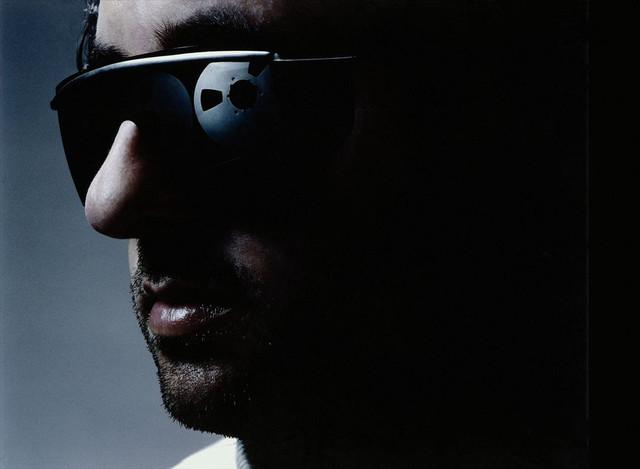
Les Rythmes Digitales’ Spotify BioMore akin to French nu-disco compatriots like Daft Punk than his Wall of Sound labelmates, Jacques Lu Cont's Les Rythmes Digitales project bridges the gap between the quintessentially early-'80s phenomenon of synth pop and more contemporary styles like acid house and trip-hop. Lu Cont is actually of British origin, however; he was born Stuart Price to a Reading couple vacationing in Paris. Both were classical pianists, but Stuart was turned on to the twin towers of electro -- Kraftwerk and Afrika Bambaataa -- at an early age. He also became interested in noted French proto-electronica figures like Pierre Henry and Jean-Jacques Perrey, and began experimenting with synthesizers as a teenager. Mark Jones from Britain's Wall of Sound Recordings gained a demo tape from a third party, invited Price to begin recording for the label, and even concocted his Gallic alias (years before Daft Punk and Air made French citizenship a hot property).
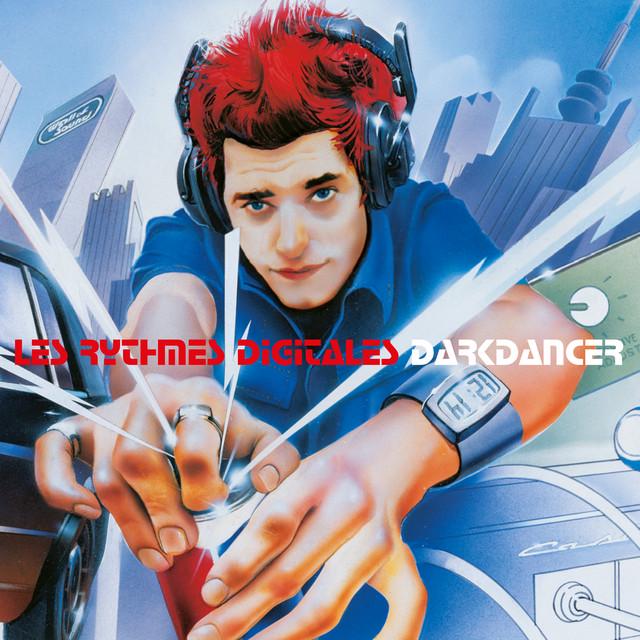
The first Les Rhythmes Digitales single was 1996's… electro-shocked "Kontakte," followed closely by the debut album Liberation. Price looked to another of his influences for his second Wall of Sound single; "Jacques Your Body (Make Me Sweat)" was a streamlined acid-disco epic, the title a clever pun on Chicago house kingpin Steve "Silk" Hurley's hit from ten years earlier. Price began a DJ residency spinning '80s hits, and even provided a few remixes, for decade classics like Heaven 17's "(We Don't Need This) Fascist Groove Thang" and Robert Palmer's "Addicted to Love" as well as labelmates Dirty Beatniks. Les Rhythmes Digitales became a noted live act as well, playing 1998's Reading Festival (a hometown gig for Price) and headlining a Wall of Sound label tour through Britain and Europe. A new single, "(Hey You) What's That Sound?," anticipated his second album, and featured none other than Boy George in its accompanying video. Forthcoming material didn't appear, however, thanks to a new gig serving as musical director for a Madonna tour. He also helmed most of the tracks from her 2005 album Confessions on a Dance Floor, and became one of the more popular pop production names by the end of the decade thanks to work for Seal, Pet Shop Boys, Kylie Minogue, Lady Gaga, Scissor Sisters, Keane, and the Killers. ~ John Bush, Rovi
Viberate is a music analytics platform built for A&Rs, artist managers, labels, booking agents, marketers, and artists.
It helps music professionals track artist growth, analyze audience data, monitor playlist activity, compare artists, follow song performance, and identify opportunities across the music market.
Public artist pages provide a free preview of selected artist data. Paid plans provide access to deeper analytics, historical data, charts, comparisons, playlist tools, exports, alerts, reports, and additional professional features.
Yes. Public Viberate artist pages provide selected artist analytics and music data for free.
Viberate also offers a 7-day free trial of the full platform. A credit card is required to start the trial. The trial includes access to the complete product so users can test deeper artist analytics, historical views, playlist insights, comparisons, charts, exports, alerts, and reporting features before choosing a paid plan.
Viberate provides artist analytics across streaming, playlists, social media, video, radio airplay, songs, and audience markets.
Users can analyze Spotify performance, Spotify and Apple Music playlists, YouTube activity, TikTok and Instagram growth, radio spins, song performance, audience locations, demographics, rankings, and overall artist momentum.
Artist profiles also connect to music charts, similar artists, and comparison tools, helping users benchmark performance and evaluate artists in context.
Viberate updates key artist and track data daily.
For followed artists and tracks, selected data is refreshed multiple times per day. This helps teams monitor playlist changes, streaming movement, audience growth, releases, and campaign performance with more current data.
Update frequency can vary depending on the metric and data source.
Yes. Viberate lets users compare up to five artists side by side across streaming, social media, audience, and engagement metrics.
Users can compare fanbase growth, audience demographics, locations, Spotify performance, social metrics, and other artist data over selected time periods.
Artist comparison can be used for A&R scouting, benchmarking, booking decisions, campaign planning, and evaluating artists with similar audiences or market positions.