Leroy Jenkins

Jazz
Free Jazz
Classic Blues
Bebop
 Viberate Rank: 661685
 Viberate Rank: 661685
 Monthly ListenersFollowers
 Subscribers
 Followers
 Followers
 FansTop Spotify Songs
| Track | 7-Day Streams | |
|---|---|---|
1 | 30 | |
2 | 27 | |
3 | 20 | |
4 | 8 | |
5 | 6 |
Top YouTube VideosMonthly ListenersFeatured in Playlists| Playlist | Followers | |
|---|---|---|
1 |  The Sound of Free Jazz The Sounds of Spotify | 10.46K |
2 | Western Swing Ian Bodenham | 7.27K |
3 | Gilles Peterson BBC6 (upd.weekly) - http://bbc.in/HDQwQe Steph B | 7.02K |
4 |  The Sound of Avant-Garde Jazz The Sounds of Spotify | 4.05K |
5 | 5 Minutes That Will Make You Love String Quartets nytimes | 3.35K |
Audience| City | Monthly Listeners | |
|---|---|---|
1 | | 14 |
2 |  | 9 |
3 | | 7 |
4 | | 7 |
5 |  | 5 |
See full performance history, audience data, playlist activity, rankings, comparisons, and more in Viberate music analytics. Start with a free trial, then continue with a paid plan.
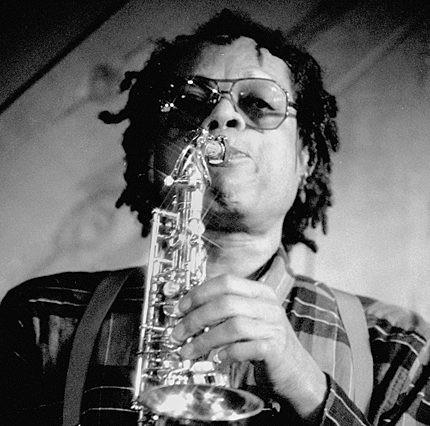
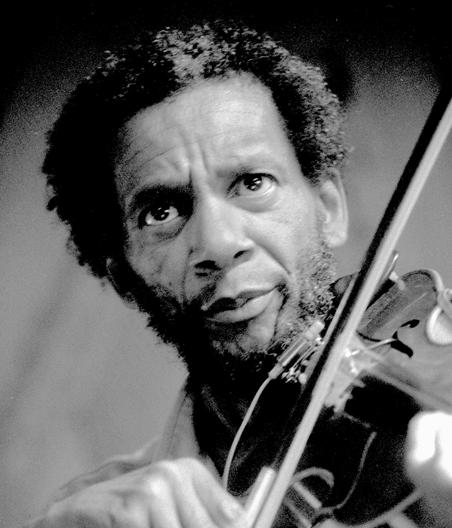
Leroy Jenkins’ Spotify BioFree jazz's leading violinist, Leroy Jenkins has greatly expanded the options and range of sounds and possibilities for stringed instruments in free music. His techniques have included sawing, string bending, and plucking. Jenkins plays adventurous phrases and distorted solos, while including elements of blues, bebop, and classical in his approach. Jenkins often lists as influences a diverse group of violinists (Eddie South and Jascha Heifetz) and other instrumentalists (Charlie Parker, Ornette Coleman, and John Coltrane, among others). Jenkins began playing violin at eight, often at church in Chicago. He was another student of Walter Dyett at Du Sable High, where he also played alto sax. Jenkins graduated from Florida A&M, where he dropped alto and concentrated on violin. He spent about four years teaching stringed instruments in Mobile, AL. Jenkins returned to Chicago in the mid-'60s and divided his time from 1965 to 1969 between teaching in the Chicago public school system and… working with the Association for the Advancement of Creative Musicians (AACM). Jenkins was among the AACM musicians who left Chicago for Europe in the late '60s. While in Paris, Jenkins, Anthony Braxton, Leo Smith, and Steve McCall founded the Creative Construction Company. He also played with Ornette Coleman there. Jenkins returned to Chicago in 1970 and moved to New York with Braxton shortly after, living and studying at Coleman's New York home for three months. After working briefly with Cecil Taylor and Braxton, Jenkins played with Archie Shepp, Alice Coltrane, and Rahsaan Roland Kirk. But more importantly, in 1971, Jenkins, Sirone, and Jerome Cooper founded the Revolutionary Ensemble, one of the decade's great trios. They were truly a cooperative venture, with each musician contributing compositions and their performances often resembling works in progress. All three played several instruments during their concerts. The Ensemble maintained its integrity while making albums that were aesthetic triumphs and commercial flops for six years on various labels. After the trio disbanded, Jenkins made several tours of Europe and led a quintet and a trio featuring Anthony Davis and Andrew Cyrille. During the mid-'80s, he served on the board of directors of the Composers' Forum and was a member of Cecil Taylor's quintet in 1987, presenting many free music performances and written numerous pieces for soloists, small groups, and large ensembles. Jenkins also received a number of major commissions and grants during the '90s for experimental and theater-based work and was in demand as musician-in-residence for several universities. Jenkins passed away in New York on February 24, 2007. A few of his Black Saint and India Navigation sessions are available on CD. ~ Ron Wynn & Al Campbell, Rovi
Viberate is a music analytics platform built for A&Rs, artist managers, labels, booking agents, marketers, and artists.
It helps music professionals track artist growth, analyze audience data, monitor playlist activity, compare artists, follow song performance, and identify opportunities across the music market.
Public artist pages provide a free preview of selected artist data. Paid plans provide access to deeper analytics, historical data, charts, comparisons, playlist tools, exports, alerts, reports, and additional professional features.
Yes. Public Viberate artist pages provide selected artist analytics and music data for free.
Viberate also offers a 7-day free trial of the full platform. A credit card is required to start the trial. The trial includes access to the complete product so users can test deeper artist analytics, historical views, playlist insights, comparisons, charts, exports, alerts, and reporting features before choosing a paid plan.
Viberate provides artist analytics across streaming, playlists, social media, video, radio airplay, songs, and audience markets.
Users can analyze Spotify performance, Spotify and Apple Music playlists, YouTube activity, TikTok and Instagram growth, radio spins, song performance, audience locations, demographics, rankings, and overall artist momentum.
Artist profiles also connect to music charts, similar artists, and comparison tools, helping users benchmark performance and evaluate artists in context.
Viberate updates key artist and track data daily.
For followed artists and tracks, selected data is refreshed multiple times per day. This helps teams monitor playlist changes, streaming movement, audience growth, releases, and campaign performance with more current data.
Update frequency can vary depending on the metric and data source.
Yes. Viberate lets users compare up to five artists side by side across streaming, social media, audience, and engagement metrics.
Users can compare fanbase growth, audience demographics, locations, Spotify performance, social metrics, and other artist data over selected time periods.
Artist comparison can be used for A&R scouting, benchmarking, booking decisions, campaign planning, and evaluating artists with similar audiences or market positions.