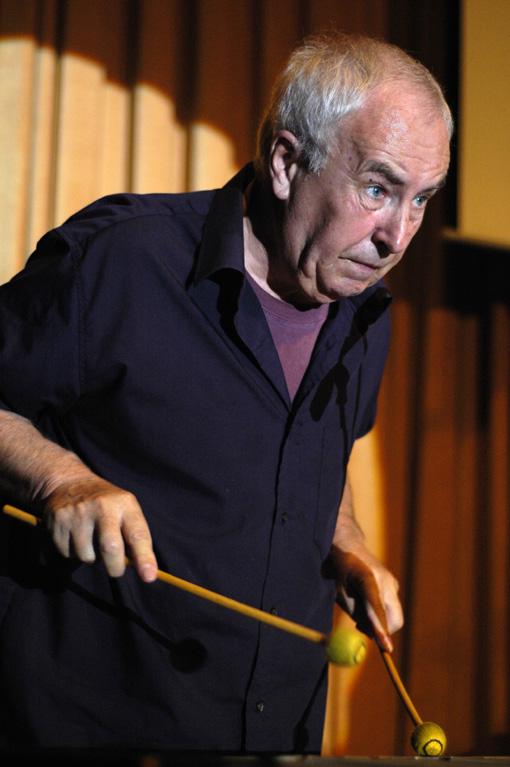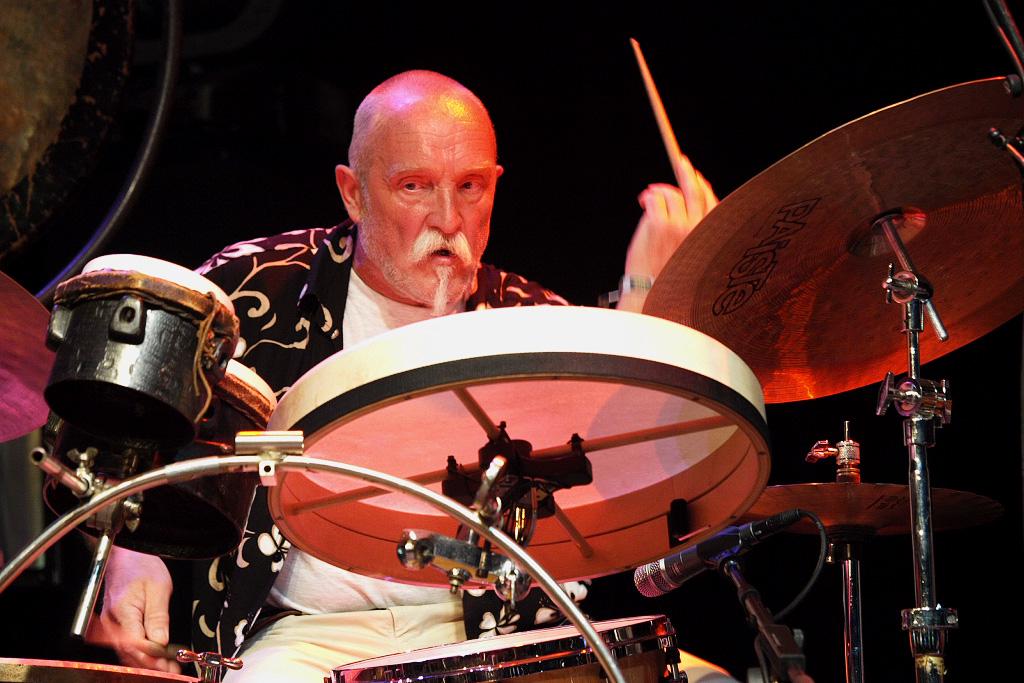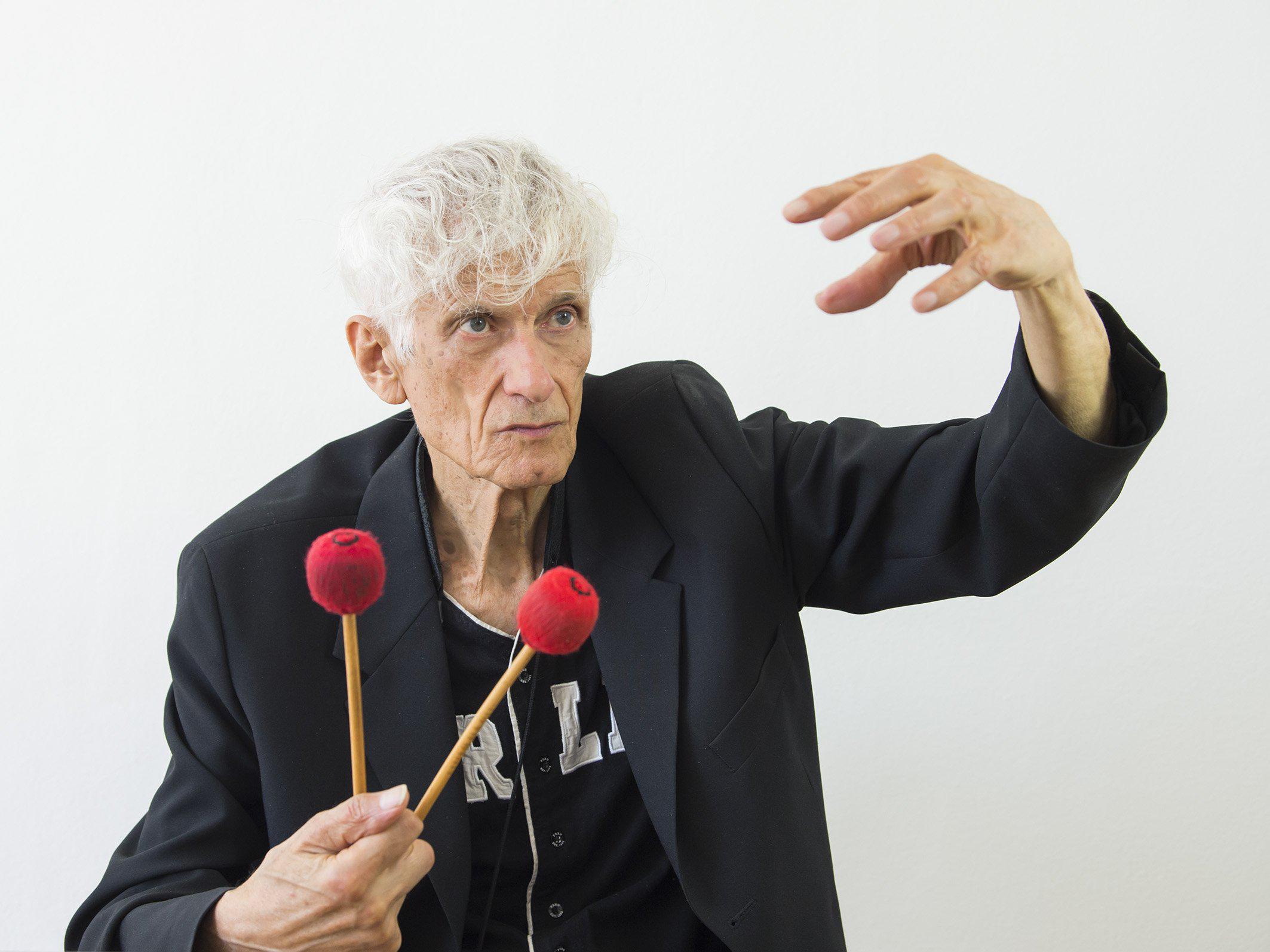
Gunter Hampel

Jazz
Free Jazz
 Viberate Rank: 677747
 Viberate Rank: 677747
 Monthly ListenersFollowers
 Subscribers
 Followers
 Followers
 FansTop Spotify Songs
| Track | 7-Day Streams | |
|---|---|---|
1 | 17 | |
2 | 12 | |
3 | 8 | |
4 | 7 | |
5 | 6 |
Top YouTube VideosMonthly ListenersFeatured in Playlists| Playlist | Followers | |
|---|---|---|
1 | slow jazz funk - fusion - slow afrobeat mariorolim12 | 1.20K |
2 |  Fresh Obscure / Rare Artists 🍅 Unknown Genres / Experimental Gems / Part 1 of 2 o808988s | 1.12K |
Audience| City | Monthly Listeners | |
|---|---|---|
1 |  | 8 |
2 | | 6 |
3 |  | 4 |
4 | | 3 |
5 | | 3 |
See full performance history, audience data, playlist activity, rankings, comparisons, and more in Viberate music analytics. Start with a free trial, then continue with a paid plan.
Gunter Hampel’s Spotify BioHampel is one of jazz's most prolific and self-reliant musicians. In 1969, he formed Birth Records to release The 8th of July 1969, an album of his compositions performed by a group that included Anthony Braxton, Jeanne Lee, Steve McCall, Willem Breuker, and Arjen Gorter. Since then, Birth has released nearly 50 albums of Hampel's work in a variety of configurations; some of his performance and recording groups have been the Gunter Hampel Jazz Quintet, "Heartplants" Quintet, World Community Orchestra, Free Jazz Trio, and New York Orchestra.
Hampel began piano lessons at the age of four. By the time he was 16, he had added recorder, accordion, clarinet, saxophone, and vibes. His first exposure to jazz came at the end of World War II; American troops occupying his hometown of Gottingen listened to jazz on the Armed Forces Network and Willis Conover's Voice of America shows. The first jazz he heard was by Louis Armstrong; it affected him deeply. He grew up under the influence of European… classical and folk music, as well as jazz. He formed his own jazz bands in his teens playing all styles of jazz, from early jazz to bebop. He also began composing his own tunes. After military service in the late '50s, Hampel studied architecture while continuing to play music on the side. By 1958, he had started playing jazz professionally. In 1964, he established the "Heartplants" Quintet, which included Alex von Schlippenbach and Manfred Schoof. The group recorded Heartplants (MPS/SABA), Hampel's first album, which received a five-star rating from Down Beat magazine. Hampel began playing festivals in Europe and elsewhere. He met vocalist Jeanne Lee in 1967 and began a long personal and musical partnership that lasted many years. In the '60s, he recorded for the Wergo and ESP labels and played with such American musicians as drummer Steve McCall and saxophonist Marion Brown.
With the formation of Birth, Hampel was able to document his music more completely; since the early '70s he's recorded an array of combinations, from duos to big bands. His various ensembles have included such famous musicians as Bill Frisell, Marvin "Smitty" Smith, and Albert Mangelsdorff, as well as such fine if unsung talents as Mark Whitecage, Perry Robertson, and David Eyges. In 1997, Hampel reconstituted his band with Schoof and von Schlippenbach for a gig at the Musik Triennale in Koln. The concert was recorded and the results were released on Birth under the title Legendary. Hampel continued going strong, touring and recording with musicians all over the world. As one might expect from so self-sufficient an artist, Hampel has embraced the Internet with a passion. His website is one of the most comprehensive devoted to a single musician. Hampel is also an accomplished painter. ~ Chris Kelsey, Rovi
Viberate is a music analytics platform built for A&Rs, artist managers, labels, booking agents, marketers, and artists.
It helps music professionals track artist growth, analyze audience data, monitor playlist activity, compare artists, follow song performance, and identify opportunities across the music market.
Public artist pages provide a free preview of selected artist data. Paid plans provide access to deeper analytics, historical data, charts, comparisons, playlist tools, exports, alerts, reports, and additional professional features.
Yes. Public Viberate artist pages provide selected artist analytics and music data for free.
Viberate also offers a 7-day free trial of the full platform. A credit card is required to start the trial. The trial includes access to the complete product so users can test deeper artist analytics, historical views, playlist insights, comparisons, charts, exports, alerts, and reporting features before choosing a paid plan.
Viberate provides artist analytics across streaming, playlists, social media, video, radio airplay, songs, and audience markets.
Users can analyze Spotify performance, Spotify and Apple Music playlists, YouTube activity, TikTok and Instagram growth, radio spins, song performance, audience locations, demographics, rankings, and overall artist momentum.
Artist profiles also connect to music charts, similar artists, and comparison tools, helping users benchmark performance and evaluate artists in context.
Viberate updates key artist and track data daily.
For followed artists and tracks, selected data is refreshed multiple times per day. This helps teams monitor playlist changes, streaming movement, audience growth, releases, and campaign performance with more current data.
Update frequency can vary depending on the metric and data source.
Yes. Viberate lets users compare up to five artists side by side across streaming, social media, audience, and engagement metrics.
Users can compare fanbase growth, audience demographics, locations, Spotify performance, social metrics, and other artist data over selected time periods.
Artist comparison can be used for A&R scouting, benchmarking, booking decisions, campaign planning, and evaluating artists with similar audiences or market positions.