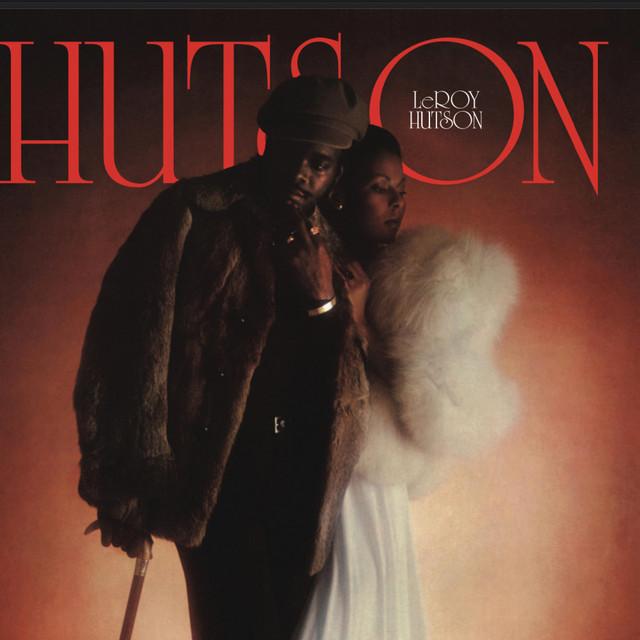
Leroy Hutson

R&B
Soul
Contemporary R&B
Smooth Jazz
 Viberate Rank: 105536
 Viberate Rank: 105536
 Monthly ListenersFollowers
 Subscribers
 Followers
 Followers
 FansTop Spotify Songs
| Track | 7-Day Streams | |
|---|---|---|
1 | 17.07K | |
2 | 10.56K | |
3 | 5.47K | |
4 | 3.95K | |
5 | 2.25K |
Top YouTube VideosMonthly ListenersFeatured in Playlists| Playlist | Followers | |
|---|---|---|
1 |  Jazz Classics Spotify | 5.08M |
2 |  real good shit Tom Misch | 165.63K |
3 |  70s R&B/Soul - The Golden Era Raul Gabriel - Music | 159.69K |
4 |  I Love My 70s Funk Spotify | 103.56K |
5 |  Caribou - The Longest Mixtape: 1000+ Songs For You Caribou | 53.23K |
Audience| City | Monthly Listeners | |
|---|---|---|
1 |  | 3.32K |
2 | | 2.77K |
3 | | 1.97K |
4 | | 1.61K |
5 |  | 1.30K |
See full performance history, audience data, playlist activity, rankings, comparisons, and more in Viberate music analytics. Start with a free trial, then continue with a paid plan.
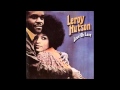
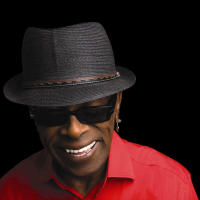
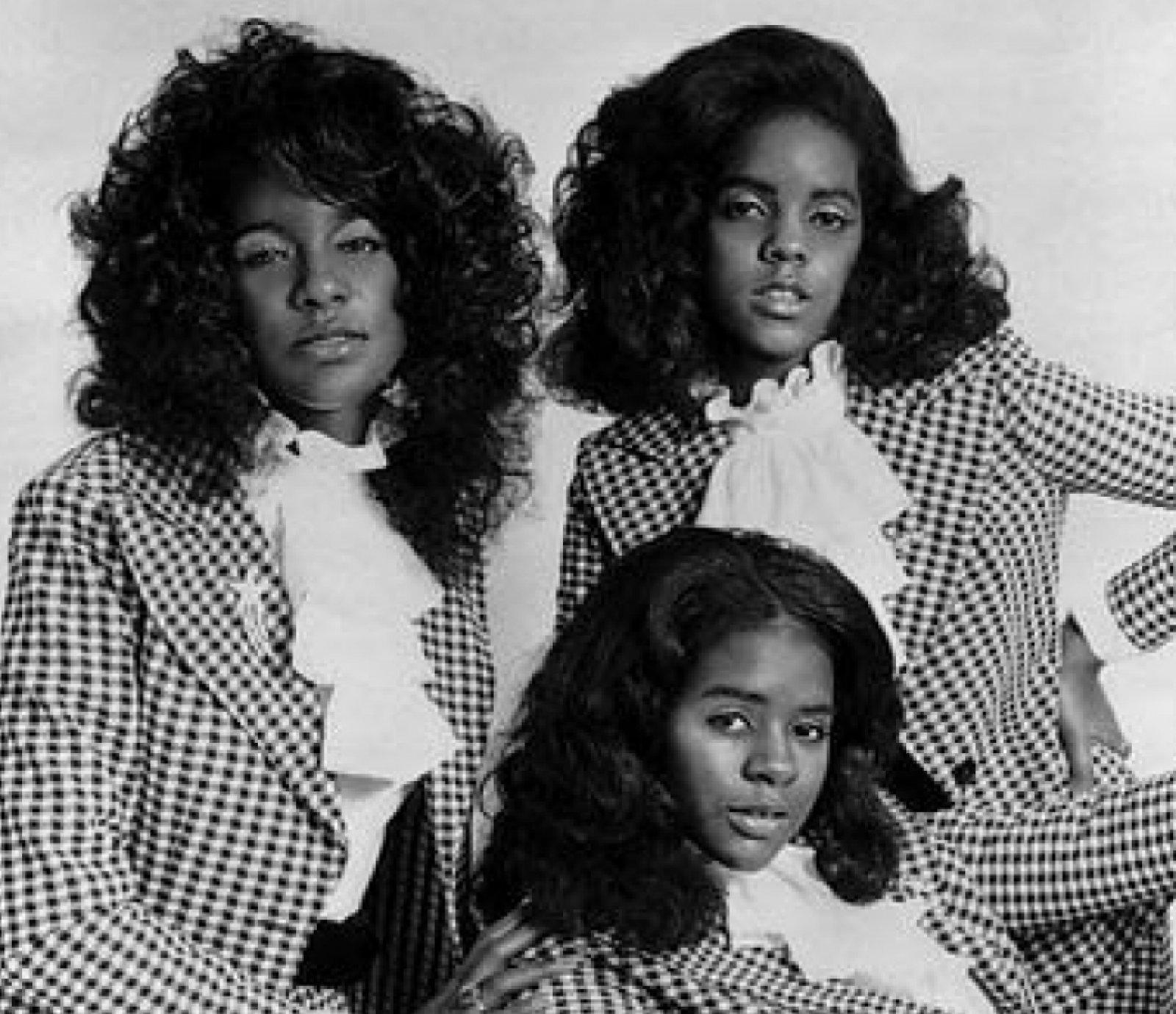
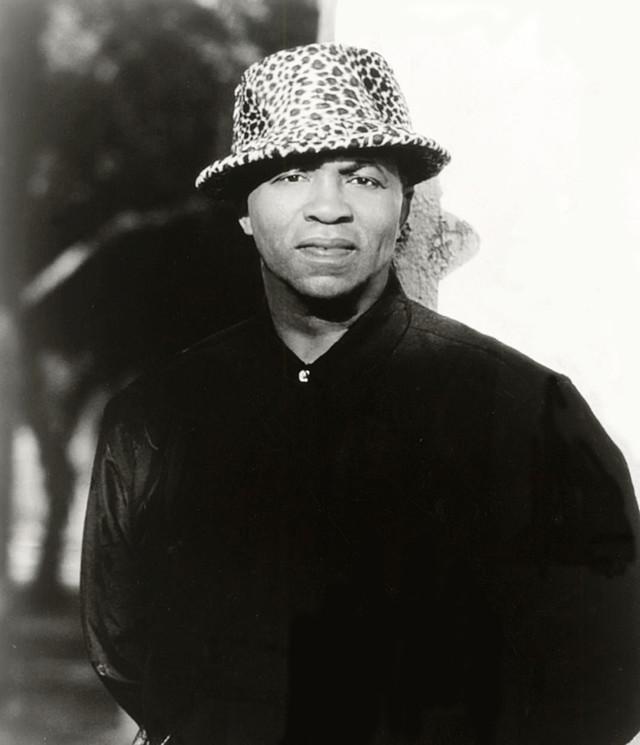
Leroy Hutson’s Spotify BioOne of the most underrated soul producers of the '70s, multi-talented producer/singer/songwriter/instrumentalist Leroy Hutson began his career in various vocal groups around his hometown of Newark, NJ, in the '60s, but saw his early success as a co-writer for Howard University roommate Donny Hathaway's 1970 hit single "The Ghetto." Hutson would later replace Curtis Mayfield in 1971 as the lead singer in the Impressions and stayed with them until 1973, when he followed in Mayfield's footsteps and launched his own solo career. His smooth, imaginative productions set the bar very high for everyone at the label (including its owner) to follow suit. Although his lyrics were not as politically fueled as Mayfield's, Hutson's love-inspired songs were responsible for a string of mid-'70s classics for which he and Curtom are best known.
While he would enjoy the commercial success during a string of albums in the mid- to late '70s, he also lent his production and songwriting skills to several… labelmates, including the Natural Four. After the closing of Curtom Records in 1980, Hutson's career diminished into obscurity with the exception of 1982's jazz-funk-tinged Paradise. However, he maintained a strong cult following among soul collectors long after his peak years. ~ Rob Theakston, Rovi
Viberate is a music analytics platform built for A&Rs, artist managers, labels, booking agents, marketers, and artists.
It helps music professionals track artist growth, analyze audience data, monitor playlist activity, compare artists, follow song performance, and identify opportunities across the music market.
Public artist pages provide a free preview of selected artist data. Paid plans provide access to deeper analytics, historical data, charts, comparisons, playlist tools, exports, alerts, reports, and additional professional features.
Yes. Public Viberate artist pages provide selected artist analytics and music data for free.
Viberate also offers a 7-day free trial of the full platform. A credit card is required to start the trial. The trial includes access to the complete product so users can test deeper artist analytics, historical views, playlist insights, comparisons, charts, exports, alerts, and reporting features before choosing a paid plan.
Viberate provides artist analytics across streaming, playlists, social media, video, radio airplay, songs, and audience markets.
Users can analyze Spotify performance, Spotify and Apple Music playlists, YouTube activity, TikTok and Instagram growth, radio spins, song performance, audience locations, demographics, rankings, and overall artist momentum.
Artist profiles also connect to music charts, similar artists, and comparison tools, helping users benchmark performance and evaluate artists in context.
Viberate updates key artist and track data daily.
For followed artists and tracks, selected data is refreshed multiple times per day. This helps teams monitor playlist changes, streaming movement, audience growth, releases, and campaign performance with more current data.
Update frequency can vary depending on the metric and data source.
Yes. Viberate lets users compare up to five artists side by side across streaming, social media, audience, and engagement metrics.
Users can compare fanbase growth, audience demographics, locations, Spotify performance, social metrics, and other artist data over selected time periods.
Artist comparison can be used for A&R scouting, benchmarking, booking decisions, campaign planning, and evaluating artists with similar audiences or market positions.