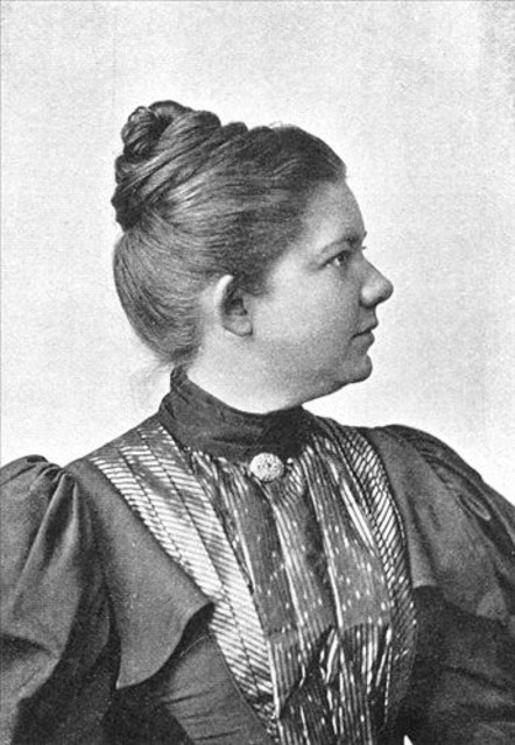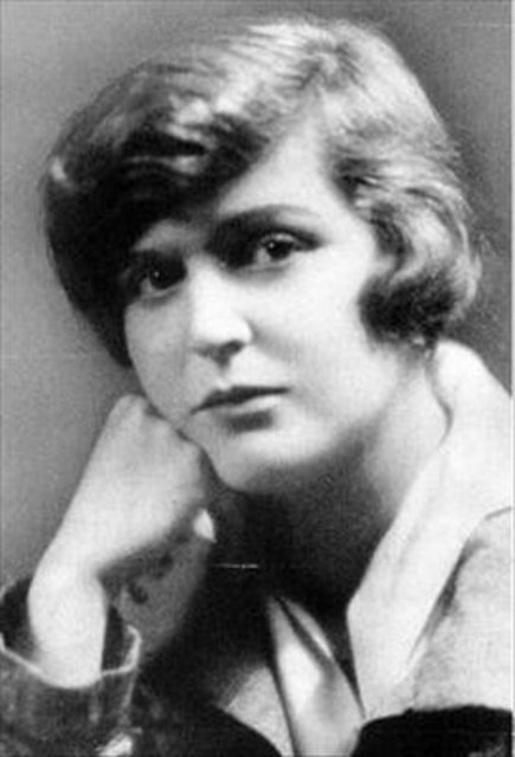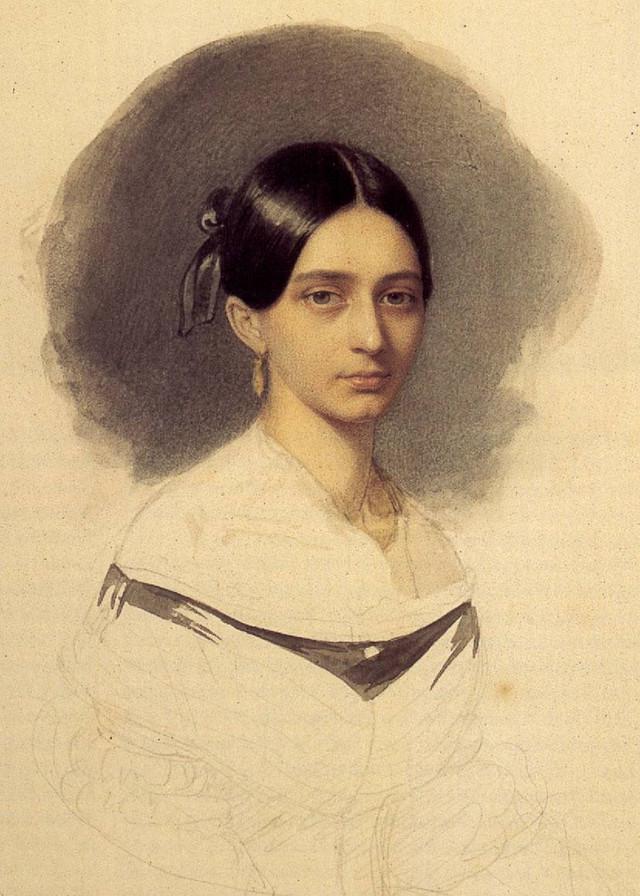
Clara Schumann

Classical
Classical Crossover
 Viberate Rank: 70353
 Viberate Rank: 70353
 Monthly ListenersFollowers
 Subscribers
 Followers
 Followers
 FansTop Spotify Songs
| Track | 7-Day Streams | |
|---|---|---|
1 | 62.08K | |
2 | 43.45K | |
3 | 22.93K | |
4 | 13.77K | |
5 | 8.01K |
Top YouTube VideosMonthly ListenersFeatured in Playlists| Playlist | Followers | |
|---|---|---|
1 |  Classical Essentials Spotify | 3.82M |
2 |  Calming Classical Spotify | 1.35M |
3 |  Dark Academia Classical Spotify | 1.00M |
4 |  Chilled Classical Spotify | 888.62K |
5 |  Best Classical Music Peaceful Classics | 857.56K |
Audience| City | Monthly Listeners | |
|---|---|---|
1 |  | 8.26K |
2 |  | 4.90K |
3 |  | 4.27K |
4 |  | 3.76K |
5 |  | 3.69K |
See full performance history, audience data, playlist activity, rankings, comparisons, and more in Viberate music analytics. Start with a free trial, then continue with a paid plan.
Clara Schumann’s Spotify BioClara Wieck Schumann has often been misleadingly referred to as the wife of composer Robert Schumann, and as one of the leading pianists of her day, rather than as a composer in her own right. Beginning in the last quarter of the twentieth century however, her stature as a composer finally became recognized. Still, she cannot by any reasonable measure be ranked as a major composer, owing in great part to her relatively small output. She nonetheless wrote significant compositions in both the keyboard and vocal realms. Had she been able to devote more time to composition -- she was occupied by maternal matters much of the time, having given birth to eight children -- she might well have risen to the artistic heights of her husband. Some of her later works -- the Six Lieder, Op. 23, for instance -- demonstrate considerable subtlety and depth.
Clara Wieck was born on September 13, 1819, in Leipzig. She began studying the piano with her domineering and difficult father, whom her mother, a… talented singer, later divorced. Mr. Wieck was a piano teacher of high repute. Clara gave her debut concert in Leipzig at the age of seven playing Kalkbrenner's duet, Variations on a March from Moses, with him.
In 1830, Robert Schumann began study with Wieck, at which time he first met Clara. At twelve Clara toured Europe with her father, achieving great success in Paris and throughout Germany. By 1837 she was recognized as one of the leading virtuosos in Europe, and her career as a composer was blossoming as well. Her first compositions date from 1830, but her 1836 Soirées musicales, Op. 6, already shows considerable sophistication. In 1837 she and Schumann became engaged, with boisterous objections from her father.
Clara seems to have broken from her father's influence when she toured Paris alone in 1839. The break was made complete the following year when she married Robert Schumann. They would have eight children, and Clara would slowly watch her sensitive husband lose his sanity. The couple at first lived in Leipzig, where both taught at the University.
Clara did not write much in the early years of her marriage, though she did complete the Six Lieder, Op. 13 (1842-1843), and some piano pieces, including the Three Preludes and Fugue (1845). In 1853, the Schumanns moved to Düsseldorf, and Clara had a very productive summer, producing several significant works, including her Op. 20 Variations on a theme of Robert Schumann and the aforementioned Op. 23. In 1854, Robert Schumann suffered a mental collapse and attempted suicide, after which he was committed to an asylum where he lived for the rest of his life. He passed away in 1856.
Johannes Brahms, who had been introduced to the Schumanns in 1853 through the violin virtuoso Joseph Joachim, became an increasingly important figure in Clara's life. To this day, their exact relationship is unclear, but it is difficult to refute claims they had an affair. Brahms was 14 years Clara's junior, and possibly felt their age difference too great an obstacle for marriage.
Clara composed little in the years following Robert's death, even after her children were grown. She lived in Berlin from 1857 to 1863, at which time she moved to Baden-Baden. After briefly returning to Berlin in 1873, she took a teaching post at the Frankfurt Hoch Conservatory (1878). She continued to concertize until 1891. She died of a stroke on May 20, 1896.
Viberate is a music analytics platform built for A&Rs, artist managers, labels, booking agents, marketers, and artists.
It helps music professionals track artist growth, analyze audience data, monitor playlist activity, compare artists, follow song performance, and identify opportunities across the music market.
Public artist pages provide a free preview of selected artist data. Paid plans provide access to deeper analytics, historical data, charts, comparisons, playlist tools, exports, alerts, reports, and additional professional features.
Yes. Public Viberate artist pages provide selected artist analytics and music data for free.
Viberate also offers a 7-day free trial of the full platform. A credit card is required to start the trial. The trial includes access to the complete product so users can test deeper artist analytics, historical views, playlist insights, comparisons, charts, exports, alerts, and reporting features before choosing a paid plan.
Viberate provides artist analytics across streaming, playlists, social media, video, radio airplay, songs, and audience markets.
Users can analyze Spotify performance, Spotify and Apple Music playlists, YouTube activity, TikTok and Instagram growth, radio spins, song performance, audience locations, demographics, rankings, and overall artist momentum.
Artist profiles also connect to music charts, similar artists, and comparison tools, helping users benchmark performance and evaluate artists in context.
Viberate updates key artist and track data daily.
For followed artists and tracks, selected data is refreshed multiple times per day. This helps teams monitor playlist changes, streaming movement, audience growth, releases, and campaign performance with more current data.
Update frequency can vary depending on the metric and data source.
Yes. Viberate lets users compare up to five artists side by side across streaming, social media, audience, and engagement metrics.
Users can compare fanbase growth, audience demographics, locations, Spotify performance, social metrics, and other artist data over selected time periods.
Artist comparison can be used for A&R scouting, benchmarking, booking decisions, campaign planning, and evaluating artists with similar audiences or market positions.