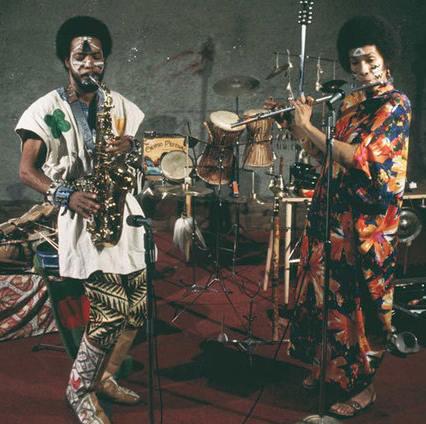
Leon Thomas

R&B
Contemporary R&B
Free Jazz
Funk
 Viberate Rank: 148051
 Viberate Rank: 148051
 Monthly ListenersFollowers
 Subscribers
 Followers
 Followers
 FansTop Spotify Songs
| Track | 7-Day Streams | |
|---|---|---|
1 | 19.32K | |
2 | 4.22K | |
3 | 2.05K | |
4 | 1.85K | |
5 | 1.24K |
Top YouTube VideosMonthly ListenersFeatured in Playlists| Playlist | Followers | |
|---|---|---|
1 |  MrSuicideSheep Uploads MrSuicideSheep | 68.06K |
2 |  Disclosure's Record Bag Disclosure | 60.50K |
3 |  🪐Floating Points Turntable🪐 Floating Points | 35.36K |
4 | Craig Charles Funk and Soul Show Playlist - BBC 6 Music fostertron3000 | 28.30K |
5 | Michelle Obama's Musiaqualogy Vol 1 1964-1979 by Questlove Ahmir Khalib Thompson | 25.80K |
Audience| City | Monthly Listeners | |
|---|---|---|
1 |  | 382 |
2 | | 198 |
3 | | 182 |
4 | | 181 |
5 |  | 168 |
See full performance history, audience data, playlist activity, rankings, comparisons, and more in Viberate music analytics. Start with a free trial, then continue with a paid plan.
Leon Thomas’ Spotify BioLeon Thomas (who changed his name to Leone in 1974) made his mark in 1969, singing "The Creator Has a Master Plan" with Pharoah Sanders and showing that even avant-garde jazz can become popular under some circumstances. A fairly conventional singer, the most unusual aspect to Thomas was that he often broke out into yodelling in the middle of a vocal, a device since utilized occasionally by James Moody. Thomas, whose early associates included Grant Green, Jimmy Forrest, and Hank Crawford, studied music for two years at Tennessee State University. He moved to New York in 1958, toured with a show sponsored by the Apollo Theater, had two largely unrecorded stints with Count Basie (1961 and 1964-1965), and performed with such jazz artists as Mary Lou Williams, Randy Weston, Rahsaan Roland Kirk, and later on Oliver Nelson. After recording "The Creator Has a Master Plan" in 1969 (once under his own name, with the better-known version being on Sanders' Karma), Thomas seemed on the verge of… stardom. However, his career faltered and he remained an underground figure. As a leader, Leon Thomas recorded for Flying Dutchman, Blues Time, Mega, the Italian Palcoscenico label (in 1979 with Freddie Hubbard's group); as the leader of a blues-oriented band for Portrait (1988); and for Mapleshade. He also appeared as a sideman in many situations, including on a Louis Armstrong 1970 record and with Carlos Santana (who he worked with in 1971). Thomas died of heart failure on May 8, 1999. ~ Scott Yanow, Rovi
Viberate is a music analytics platform built for A&Rs, artist managers, labels, booking agents, marketers, and artists.
It helps music professionals track artist growth, analyze audience data, monitor playlist activity, compare artists, follow song performance, and identify opportunities across the music market.
Public artist pages provide a free preview of selected artist data. Paid plans provide access to deeper analytics, historical data, charts, comparisons, playlist tools, exports, alerts, reports, and additional professional features.
Yes. Public Viberate artist pages provide selected artist analytics and music data for free.
Viberate also offers a 7-day free trial of the full platform. A credit card is required to start the trial. The trial includes access to the complete product so users can test deeper artist analytics, historical views, playlist insights, comparisons, charts, exports, alerts, and reporting features before choosing a paid plan.
Viberate provides artist analytics across streaming, playlists, social media, video, radio airplay, songs, and audience markets.
Users can analyze Spotify performance, Spotify and Apple Music playlists, YouTube activity, TikTok and Instagram growth, radio spins, song performance, audience locations, demographics, rankings, and overall artist momentum.
Artist profiles also connect to music charts, similar artists, and comparison tools, helping users benchmark performance and evaluate artists in context.
Viberate updates key artist and track data daily.
For followed artists and tracks, selected data is refreshed multiple times per day. This helps teams monitor playlist changes, streaming movement, audience growth, releases, and campaign performance with more current data.
Update frequency can vary depending on the metric and data source.
Yes. Viberate lets users compare up to five artists side by side across streaming, social media, audience, and engagement metrics.
Users can compare fanbase growth, audience demographics, locations, Spotify performance, social metrics, and other artist data over selected time periods.
Artist comparison can be used for A&R scouting, benchmarking, booking decisions, campaign planning, and evaluating artists with similar audiences or market positions.