Andy Bey

Jazz
Jazz Fusion
Vocal jazz
 Viberate Rank: 160468
 Viberate Rank: 160468
 Monthly ListenersFollowers
 Subscribers
 Followers
 Followers
 FansTop Spotify Songs
| Track | 7-Day Streams | |
|---|---|---|
1 | 32.34K | |
2 | 3.95K | |
3 | 1.58K | |
4 | 662 | |
5 | 320 |
Top YouTube Videos| Video | 7-Day Views | |
|---|---|---|
1 | 305 | |
2 | 76 | |
3 | 31 | |
4 | 19 | |
5 | 10 |
Monthly ListenersFeatured in Playlists| Playlist | Followers | |
|---|---|---|
1 |  Vocal Jazz Spotify | 176.77K |
2 | Jazz · Blues · Soul · Funk · Swing Carles Sirvent | 59.35K |
3 |  The Leftovers - Season 1 + 2 + 3 (Updated Weekly) Gareth Penrose | 26.48K |
4 |  Chill And Play PlayStation®️ | 26.37K |
5 | Andrey's Stream Playlist Andrey Yanyuk | 18.24K |
Audience| City | Monthly Listeners | |
|---|---|---|
1 |  | 1.24K |
2 |  | 1.22K |
3 |  | 1.01K |
4 | | 939 |
5 |  | 927 |
See full performance history, audience data, playlist activity, rankings, comparisons, and more in Viberate music analytics. Start with a free trial, then continue with a paid plan.
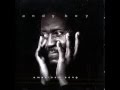
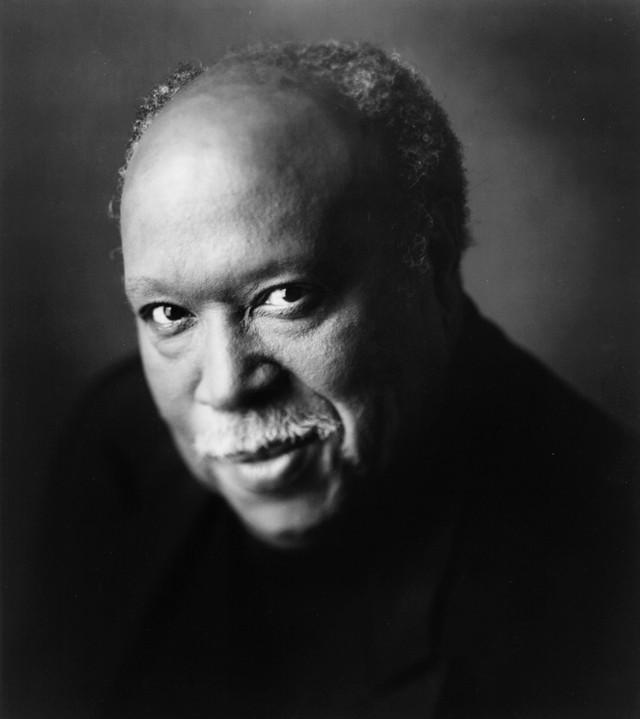
Andy Bey’s Spotify BioOne of the great unsung heroes of jazz singing, Andy Bey is a commanding interpreter of lyrics who has a wide vocal range and a big, rich, full voice. Bey enjoys a small following that swears by him; nonetheless, he isn't nearly as well known as he should be. Born and raised in Newark, New Jersey, not far from New York, Bey was exposed to jazz as a child and started singing in front of local audiences as early as age eight. At some gigs, an eight-year-old Bey was accompanied by tenor sax great Hank Mobley. Bey was 13 when, in 1952, he recorded his first solo album, Mama's Little Boy's Got the Blues, and he was 17 when he formed Andy & the Bey Sisters with his siblings Salome and Geraldine in 1956. The group did a 16-month tour of Europe and recorded three albums (one for RCA Victor in 1961, two for Prestige in 1964 and 1965) before breaking up in 1967.
In the 1960s and 1970s, Bey's vocals were featured by Max Roach, Duke Pearson, and Gary Bartz (for whom he delivered very sociopolitical… lyrics, including some searing condemnations of U.S. involvement in the Vietnam War). The 1970s also found Bey recording Experience and Judgment for Atlantic and beginning a long association with pianist Horace Silver, who featured him prominently on many of the religious-themed albums he put out own his own Silveto label in the 1970s and 1980s. The LPs contained what Silver termed "metaphysical self-help music" and preached a sort of religious self-help philosophy that wasn't unlike Reverend Ike's message -- unfortunately for Silver and Bey, this approach meant limited distribution and little commercial appeal. Bey continued to work with Silver into the 1990s, when he was featured on Silver's 1993 Columbia date It's Got to Be Funky (which marked a return to hard bop's mainstream and did much better commercially than his "self-help music").
Labels Bey recorded for as a leader in the 1980s and 1990s included Jazzette, Zagreb, and Evidence, which, in 1996, released the superb Ballads, Blues & Bey. The success of Ballads, Blues & Bey set up a position for the pianist to stretch out a little and explore his more intimate side. Bey followed with Shades of Bey in 1998 and Tuesdays in Chinatown in 2001, choosing to explore outside the world of jazz with covers of Nick Drake, Milton Nascimento, and others. American Song followed in early 2004. The Grammy-nominated The World According to Andy Bey appeared from Highnote Records in 2013, followed by another journey into American popular song, Pages from an Imaginary Life, in 2014, also on Highnote. ~ Alex Henderson, Rovi
Viberate is a music analytics platform built for A&Rs, artist managers, labels, booking agents, marketers, and artists.
It helps music professionals track artist growth, analyze audience data, monitor playlist activity, compare artists, follow song performance, and identify opportunities across the music market.
Public artist pages provide a free preview of selected artist data. Paid plans provide access to deeper analytics, historical data, charts, comparisons, playlist tools, exports, alerts, reports, and additional professional features.
Yes. Public Viberate artist pages provide selected artist analytics and music data for free.
Viberate also offers a 7-day free trial of the full platform. A credit card is required to start the trial. The trial includes access to the complete product so users can test deeper artist analytics, historical views, playlist insights, comparisons, charts, exports, alerts, and reporting features before choosing a paid plan.
Viberate provides artist analytics across streaming, playlists, social media, video, radio airplay, songs, and audience markets.
Users can analyze Spotify performance, Spotify and Apple Music playlists, YouTube activity, TikTok and Instagram growth, radio spins, song performance, audience locations, demographics, rankings, and overall artist momentum.
Artist profiles also connect to music charts, similar artists, and comparison tools, helping users benchmark performance and evaluate artists in context.
Viberate updates key artist and track data daily.
For followed artists and tracks, selected data is refreshed multiple times per day. This helps teams monitor playlist changes, streaming movement, audience growth, releases, and campaign performance with more current data.
Update frequency can vary depending on the metric and data source.
Yes. Viberate lets users compare up to five artists side by side across streaming, social media, audience, and engagement metrics.
Users can compare fanbase growth, audience demographics, locations, Spotify performance, social metrics, and other artist data over selected time periods.
Artist comparison can be used for A&R scouting, benchmarking, booking decisions, campaign planning, and evaluating artists with similar audiences or market positions.