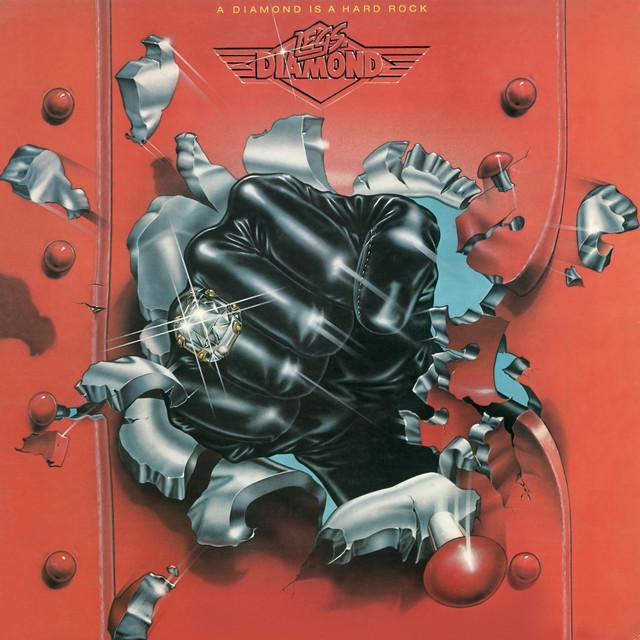
Legs Diamond

Rock
Hard Rock
Pop Rock
 Viberate Rank: 239137
 Viberate Rank: 239137
 Monthly ListenersFollowers
 Subscribers
 Followers
 Followers
 FansTop Spotify Songs
| Track | 7-Day Streams | |
|---|---|---|
1 | 1.00K | |
2 | 319 | |
3 | 302 | |
4 | 234 | |
5 | 232 |
Top YouTube VideosMonthly ListenersFeatured in Playlists| Playlist | Followers | |
|---|---|---|
1 |  80’s Hair Metal & Rock halun1 | 40.35K |
2 | Martin Smith | 18.53K |
3 |  70s Proto-Metal, Heavy Psych & Obscure Hard Rock Jordan Edrei | 11.27K |
4 | AOR 80's Orkun Ersin | 7.60K |
5 | AOR / Melodic Rock Magnus Olsson | 6.17K |
Audience| City | Monthly Listeners | |
|---|---|---|
1 | | 1.16K |
2 | | 346 |
3 | | 123 |
4 | | 117 |
5 | | 50 |
See full performance history, audience data, playlist activity, rankings, comparisons, and more in Viberate music analytics. Start with a free trial, then continue with a paid plan.
Legs Diamond’s Spotify BioLegs Diamond was an obscure hard rock/heavy metal band from the late '70s. Founding members Michael Diamond (bass) and Jeff Poole (drums) were originally from the San Francisco area, but it wasn't until the duo relocated to Los Angeles that they found the missing pieces to the puzzle -- singer Rick Sanford, guitarist Roger Romeo, and keyboard player/guitarist Mike Prince -- resulting in a recording contract with Mercury. 1977 saw a pair of releases, a self-titled debut and A Diamond Is a Hard Rock, and although they supported both albums with arena tours opening for such major rock acts as Styx, Ted Nugent, and Kiss, neither failed to dent the charts. Shortly after a switch to the independent Cream label a year later, Legs Diamond issued their third release overall, Fire Power, which was a more mainstream-oriented release, as the group hoped that the switch would bring them breakthrough success. The ploy didn't work, as it was even more poorly received than their previous releases,… leading to the group's breakup shortly thereafter. In 1984, Sanford, Romeo, and Prince revived the group (with newcomers Dusty Watson on drums and Mike Christie on bass), issuing several ignored albums -- 1984's Out on Bail, 1986's Land of the Gun, and 1990's Town Bad Girl -- before splitting up once more. But in 2001, Legs Diamond was revived again for a new release, The Wish. ~ Greg Prato, Rovi
Viberate is a music analytics platform built for A&Rs, artist managers, labels, booking agents, marketers, and artists.
It helps music professionals track artist growth, analyze audience data, monitor playlist activity, compare artists, follow song performance, and identify opportunities across the music market.
Public artist pages provide a free preview of selected artist data. Paid plans provide access to deeper analytics, historical data, charts, comparisons, playlist tools, exports, alerts, reports, and additional professional features.
Yes. Public Viberate artist pages provide selected artist analytics and music data for free.
Viberate also offers a 7-day free trial of the full platform. A credit card is required to start the trial. The trial includes access to the complete product so users can test deeper artist analytics, historical views, playlist insights, comparisons, charts, exports, alerts, and reporting features before choosing a paid plan.
Viberate provides artist analytics across streaming, playlists, social media, video, radio airplay, songs, and audience markets.
Users can analyze Spotify performance, Spotify and Apple Music playlists, YouTube activity, TikTok and Instagram growth, radio spins, song performance, audience locations, demographics, rankings, and overall artist momentum.
Artist profiles also connect to music charts, similar artists, and comparison tools, helping users benchmark performance and evaluate artists in context.
Viberate updates key artist and track data daily.
For followed artists and tracks, selected data is refreshed multiple times per day. This helps teams monitor playlist changes, streaming movement, audience growth, releases, and campaign performance with more current data.
Update frequency can vary depending on the metric and data source.
Yes. Viberate lets users compare up to five artists side by side across streaming, social media, audience, and engagement metrics.
Users can compare fanbase growth, audience demographics, locations, Spotify performance, social metrics, and other artist data over selected time periods.
Artist comparison can be used for A&R scouting, benchmarking, booking decisions, campaign planning, and evaluating artists with similar audiences or market positions.