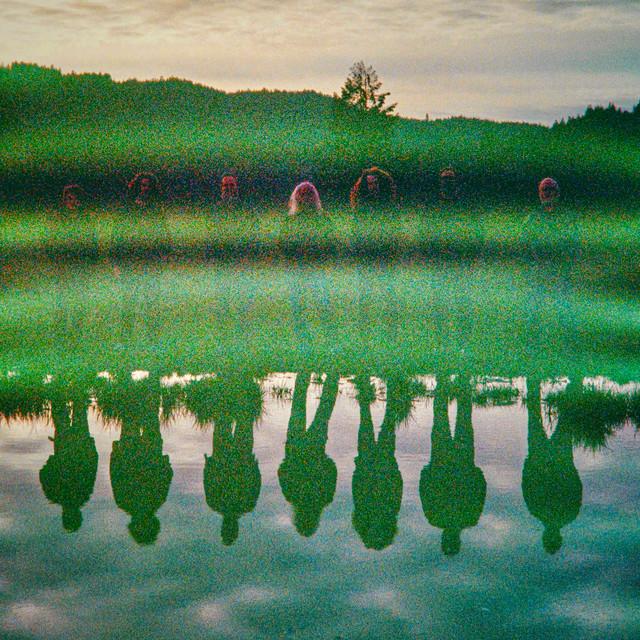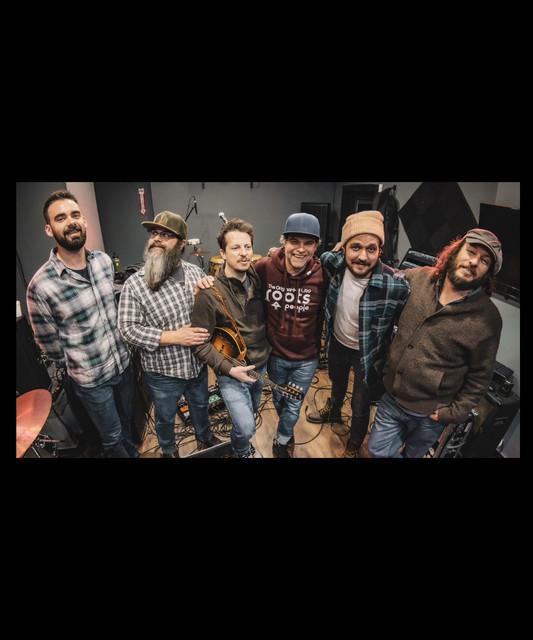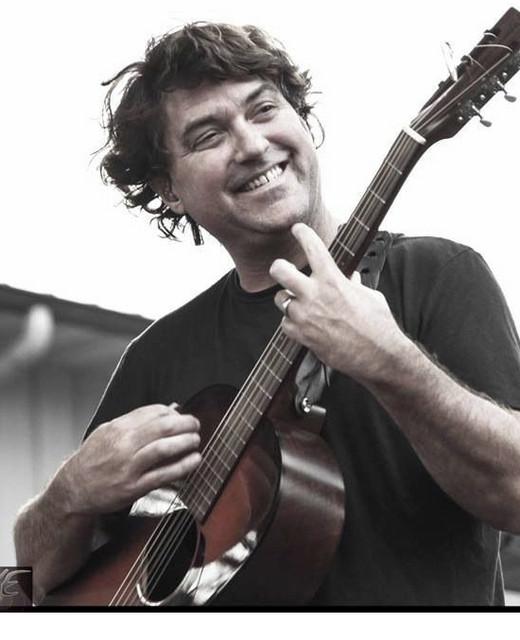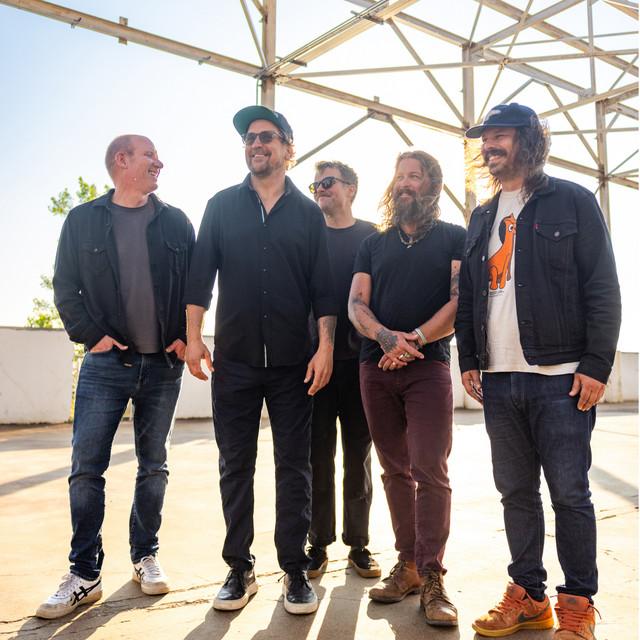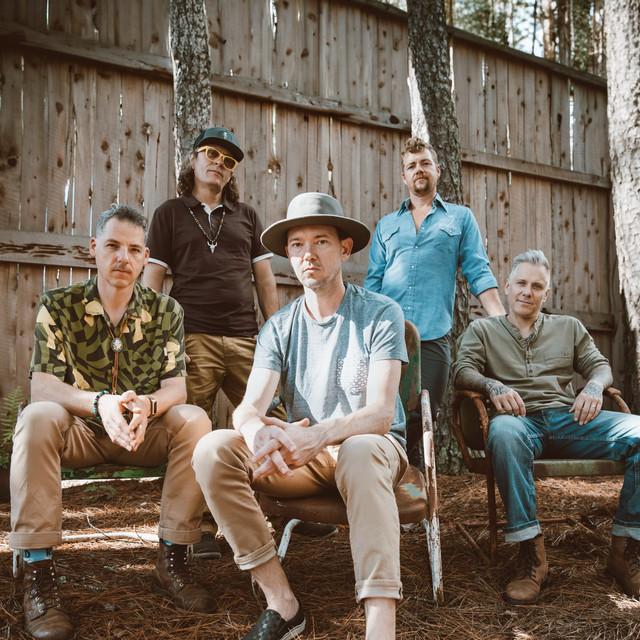
Leftover Salmon

Country
Americana/Alt Country
Newgrass
 Viberate Rank: 57710
 Viberate Rank: 57710
 Monthly ListenersFollowers
 Subscribers
 Followers
 Followers
 FansTop Spotify Songs
| Track | 7-Day Streams | |
|---|---|---|
1 | 31.45K | |
2 | 16.04K | |
3 | 13.65K | |
4 | 11.66K | |
5 | 10.43K |
Top YouTube Videos| Video | 7-Day Views | |
|---|---|---|
1 | 309 | |
2 | 223 | |
3 | 194 | |
4 | 189 | |
5 | 177 |
Monthly ListenersFeatured in Playlists| Playlist | Followers | |
|---|---|---|
1 |  Grass Roots Spotify | 168.81K |
2 |  The Lot Spotify | 78.05K |
3 |  Modern Jam Band Spotify | 48.38K |
4 |  Billy Strings Complete billystrings | 22.74K |
5 | dorian.liao | 16.79K |
Audience| City | Monthly Listeners | |
|---|---|---|
1 | | 6.47K |
2 | | 4.40K |
3 | | 4.06K |
4 | | 3.44K |
5 | | 3.14K |
See full performance history, audience data, playlist activity, rankings, comparisons, and more in Viberate music analytics. Start with a free trial, then continue with a paid plan.
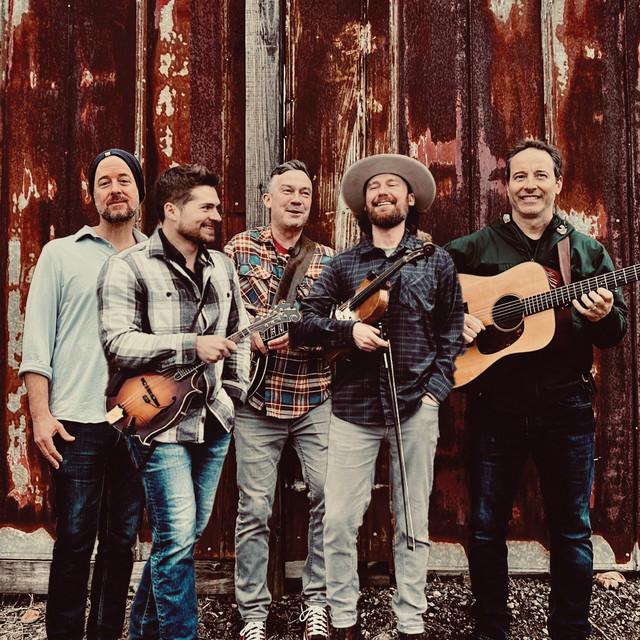
Leftover Salmon’s Spotify BioColorado-based jamgrass pioneers Leftover Salmon have enjoyed substantial success as a touring act, becoming an influential anchor of the jam band scene with their string-led mix of bluegrass, rock, Cajun, and other American roots traditions. The band hit a commercial high point in the late '90s with a pair of major-label albums for Hollywood Records before undergoing a hiatus the following decade. They eventually resumed touring in the late 2000s and returned to the studio for albums like 2012's Aquatic Hitchhiker and 2018's Something Higher. In the early part of the next decade, Leftover Salmon revived the more bluegrass-rooted style of their early years with 2021's Brand New Good Old Days and 2023's covers set Grass Roots.
Formed in 1989 in the college town of Boulder, the band was born out of a merger between two local acts, the Salmon Heads and the Left Hand String Band. The initial chemistry of that early lineup solidified the longtime partnership of founders Vince Herman, Drew… Emmitt, and Mark Vann. Heavy touring and two mid-'90s independent releases earned them both a spot at the high-profile H.O.R.D.E. Festival and a label deal with the Disney-owned Hollywood Records. With the release of 1997's Euphoria and its 1999 follow-up, The Nashville Sessions, Leftover Salmon committed many of their best-known songs to their touring repertoire and grew a large and loyal national following with their rangy sound. In 2002, banjoist Mark Vann lost his battle with throat cancer, tragically passing away at the age of 39. A handful of replacements worked to fill his shoes over the next two years, but by the end of 2004, the group announced they would go on hiatus. A tentative reunion tour of several festivals in 2007 announced Leftover Salmon's return to the stage, and they continued to play sporadically throughout the rest of the decade while their members maintained various side projects.
The arrival of banjoist Andy Thorn in 2010 sparked a new era for Leftover Salmon, who soon began touring more regularly. 2012 saw the release of Aquatic Hitchhiker, their first new album since 2004. Two years later, they sealed the deal with a follow-up album, High Country. In 2015, a double-album compilation of live cuts called 25 was released to commemorate Leftover Salmon's 25th anniversary. Working with longtime collaborator Steve Berlin of Los Lobos, the band issued the full-length Something Higher in 2018. Closing out the decade, Leftover Salmon released a live double album of their performance at the 2019 Dark Star Jubilee.
For their next studio outing, the group applied something of a back-to-basics ethos and re-engaged more deeply with their bluegrass roots. Released in 2021, Brand New Good Old Days was largely an acoustic record with a bluegrass backbone while still containing many of the progressive detours that are Leftover Salmon's hallmark. This bluegrass revival period continued on 2023's Grass Roots, a reflective set that saw the band covering songs by David Bromberg, Grateful Dead, Bob Dylan, and other musicians that inspired them. ~ Timothy Monger, Rovi
Viberate is a music analytics platform built for A&Rs, artist managers, labels, booking agents, marketers, and artists.
It helps music professionals track artist growth, analyze audience data, monitor playlist activity, compare artists, follow song performance, and identify opportunities across the music market.
Public artist pages provide a free preview of selected artist data. Paid plans provide access to deeper analytics, historical data, charts, comparisons, playlist tools, exports, alerts, reports, and additional professional features.
Yes. Public Viberate artist pages provide selected artist analytics and music data for free.
Viberate also offers a 7-day free trial of the full platform. A credit card is required to start the trial. The trial includes access to the complete product so users can test deeper artist analytics, historical views, playlist insights, comparisons, charts, exports, alerts, and reporting features before choosing a paid plan.
Viberate provides artist analytics across streaming, playlists, social media, video, radio airplay, songs, and audience markets.
Users can analyze Spotify performance, Spotify and Apple Music playlists, YouTube activity, TikTok and Instagram growth, radio spins, song performance, audience locations, demographics, rankings, and overall artist momentum.
Artist profiles also connect to music charts, similar artists, and comparison tools, helping users benchmark performance and evaluate artists in context.
Viberate updates key artist and track data daily.
For followed artists and tracks, selected data is refreshed multiple times per day. This helps teams monitor playlist changes, streaming movement, audience growth, releases, and campaign performance with more current data.
Update frequency can vary depending on the metric and data source.
Yes. Viberate lets users compare up to five artists side by side across streaming, social media, audience, and engagement metrics.
Users can compare fanbase growth, audience demographics, locations, Spotify performance, social metrics, and other artist data over selected time periods.
Artist comparison can be used for A&R scouting, benchmarking, booking decisions, campaign planning, and evaluating artists with similar audiences or market positions.