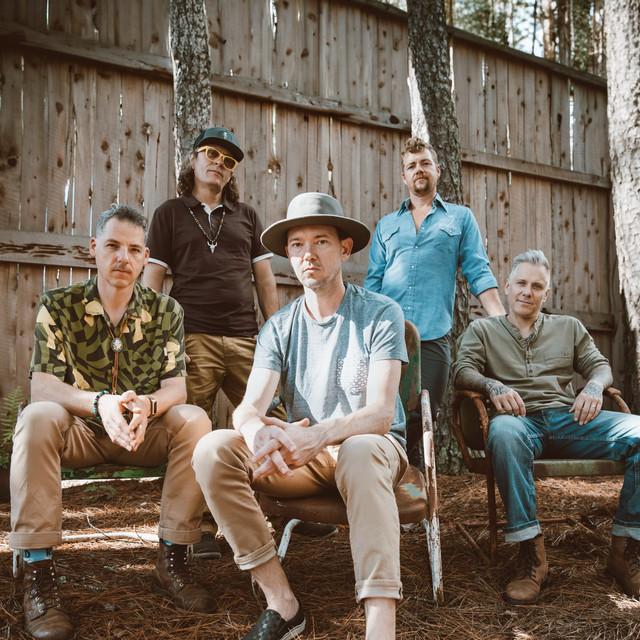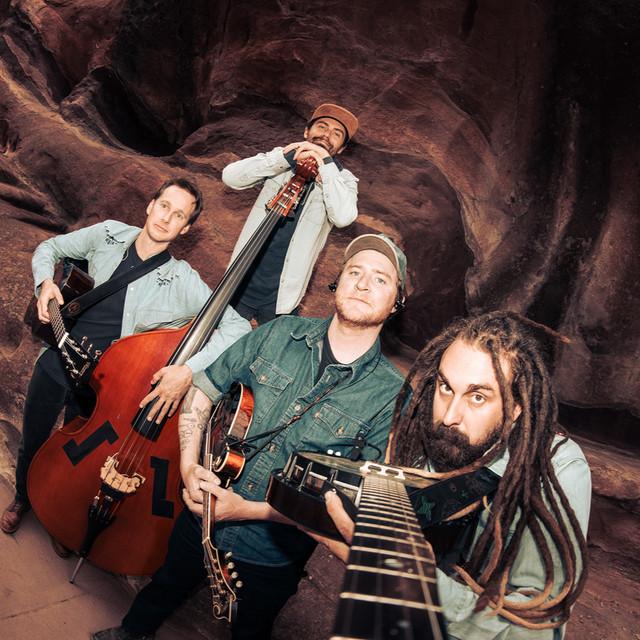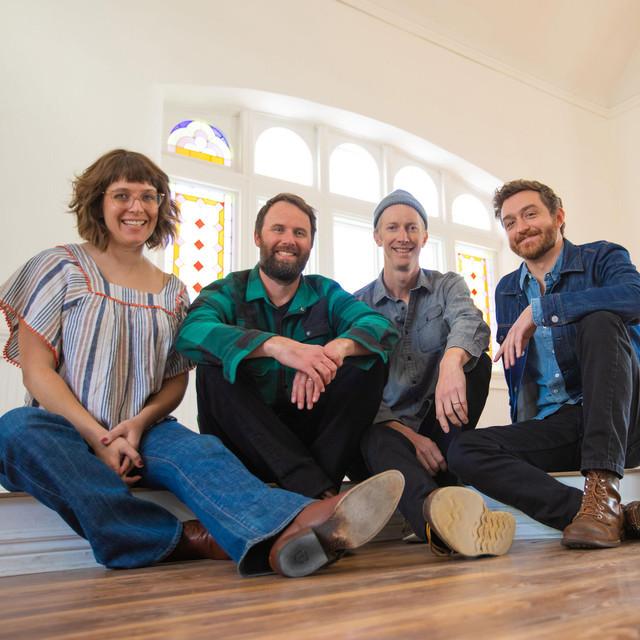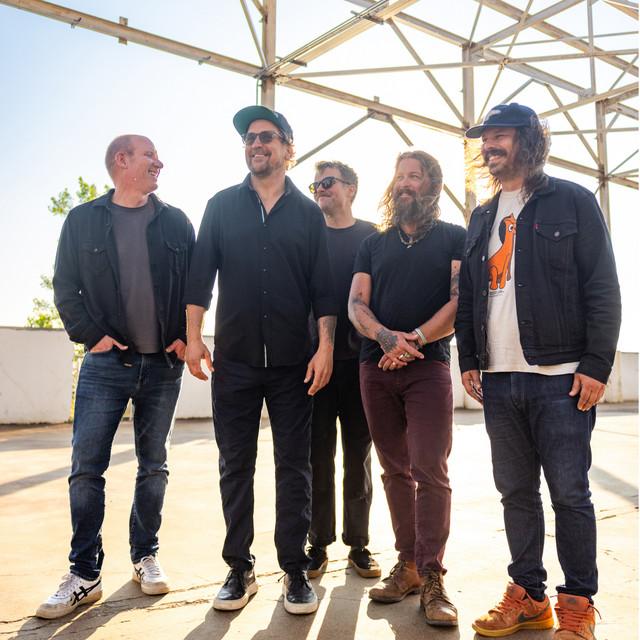
Greensky Bluegrass

Country
Bluegrass
Newgrass
 Viberate Rank: 31553
 Viberate Rank: 31553
 Monthly ListenersFollowers
 Subscribers
 Followers
 Followers
 FansTop Spotify Songs
| Track | 7-Day Streams | |
|---|---|---|
1 | 75.42K | |
2 | 28.50K | |
3 | 26.27K | |
4 | 16.20K | |
5 | 10.89K |
Top YouTube Videos| Video | 7-Day Views | |
|---|---|---|
1 | 3.35K | |
2 | 1.95K | |
3 | 904 | |
4 | 895 | |
5 | 720 |
Monthly ListenersFeatured in Playlists| Playlist | Followers | |
|---|---|---|
1 |  Indie Bluegrass Spotify | 258.72K |
2 |  Americana Icons Spotify | 241.67K |
3 |  Spooky Banjo Time Pawns or Kings | 213.06K |
4 | Covers (that are better than the originals) JTG | 209.29K |
5 |  Grass Roots Spotify | 168.81K |
Audience| City | Monthly Listeners | |
|---|---|---|
1 | | 9.80K |
2 | | 7.29K |
3 | | 7.18K |
4 | | 5.30K |
5 | | 5.19K |
See full performance history, audience data, playlist activity, rankings, comparisons, and more in Viberate music analytics. Start with a free trial, then continue with a paid plan.
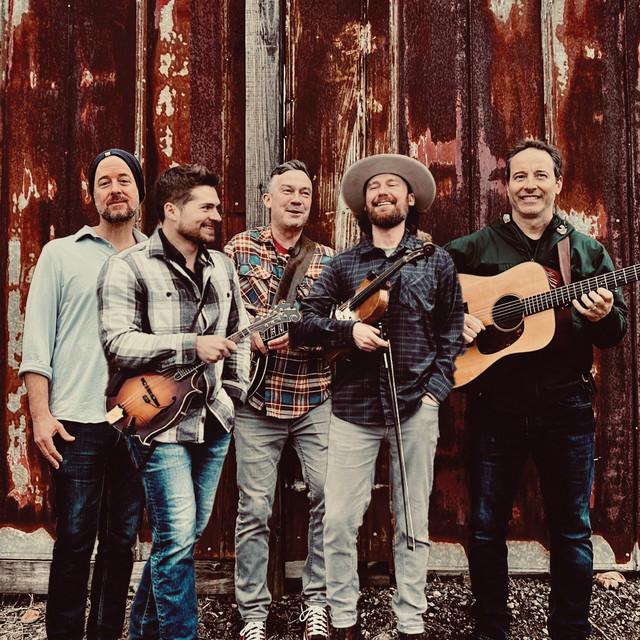
Greensky Bluegrass’ Spotify BioA string band with a big, expansive sound, Michigan's Greensky Bluegrass rode their regional D.I.Y. roots to national success in the late 2000s after years of hard touring and a succession of finely crafted independent releases. Approaching classic Americana styles with an exploratory, progressive spirit, the group's members claim to have come to bluegrass through the back door, citing rock influences as their gateway into more traditional acoustic styles. Through releases like 2014's bluegrass chart-topping breakout If Sorrows Swim and 2016's Shouted, Written Down & Quoted, Greensky Bluegrass have continued to fuse the energy of rock with the earthy spirit of string music. Following an outpouring of archival live releases, the group returned in early 2022 with the eclectic Stress Dreams.
Formed in the fall of 2000 by guitarist Dave Bruzza, mandolinist Paul Hoffman, and banjo player Michael Arlen Bont, Greensky Bluegrass spent several years gigging informally around their hometown of… Kalamazoo, playing casually at parties and open mikes while they honed their craft. In early 2004, they released their debut album, Less Than Supper, adding bassist Mike Devol to the lineup later that year and expanding their touring schedule. 2006 proved to be a watershed year when they won the band contest at Colorado's Telluride Bluegrass Festival, earning themselves a main-stage slot the following summer. After the release of their second album, Tuesday Letter, dobroist Anders Beck joined the band, completing its long-standing lineup.
Over the next several years, Greensky Bluegrass released a third studio album along with several live releases, touring heavily and sharing bills with well-known acts like Béla Fleck & the Flecktones, Sam Bush, Yonder Mountain String Band, the Avett Brothers, and many more. Their diligence paid off in 2011 with the release of their breakthrough fourth studio album, Handguns, which debuted at number three on the Billboard bluegrass chart. Riding their newfound momentum, Greensky Bluegrass hit the road even harder and made appearances at major festivals like Bonnaroo, Austin City Limits, and the New Orleans Jazz and Heritage Festival.
Their fifth album, If Sorrows Swim, arrived in September 2014, debuting at number one on the bluegrass chart. They followed up two years later with Shouted, Written Down & Quoted, which was again released on their own Big Blue Zoo label. The band's seventh album, All for Money, was released in January 2019 with Nashville's Thirty Tigers handling the distribution. It landed at number 17 on Billboard's Top Independent Albums chart.
Known as a consistently hard touring band, Greensky Bluegrass' response to the COVID-19 pandemic and subsequent lockdowns was to record a series of livestreams which they later released as a digital five-volume set called The Leap Year Sessions. The archival outpouring continued throughout 2021 with Courage for the Road, a three-volume project documenting their live tours just prior to the shutdown. The band finally returned to studio work with 2022's cerebral Stress Dreams LP. ~ Timothy Monger, Rovi
Viberate is a music analytics platform built for A&Rs, artist managers, labels, booking agents, marketers, and artists.
It helps music professionals track artist growth, analyze audience data, monitor playlist activity, compare artists, follow song performance, and identify opportunities across the music market.
Public artist pages provide a free preview of selected artist data. Paid plans provide access to deeper analytics, historical data, charts, comparisons, playlist tools, exports, alerts, reports, and additional professional features.
Yes. Public Viberate artist pages provide selected artist analytics and music data for free.
Viberate also offers a 7-day free trial of the full platform. A credit card is required to start the trial. The trial includes access to the complete product so users can test deeper artist analytics, historical views, playlist insights, comparisons, charts, exports, alerts, and reporting features before choosing a paid plan.
Viberate provides artist analytics across streaming, playlists, social media, video, radio airplay, songs, and audience markets.
Users can analyze Spotify performance, Spotify and Apple Music playlists, YouTube activity, TikTok and Instagram growth, radio spins, song performance, audience locations, demographics, rankings, and overall artist momentum.
Artist profiles also connect to music charts, similar artists, and comparison tools, helping users benchmark performance and evaluate artists in context.
Viberate updates key artist and track data daily.
For followed artists and tracks, selected data is refreshed multiple times per day. This helps teams monitor playlist changes, streaming movement, audience growth, releases, and campaign performance with more current data.
Update frequency can vary depending on the metric and data source.
Yes. Viberate lets users compare up to five artists side by side across streaming, social media, audience, and engagement metrics.
Users can compare fanbase growth, audience demographics, locations, Spotify performance, social metrics, and other artist data over selected time periods.
Artist comparison can be used for A&R scouting, benchmarking, booking decisions, campaign planning, and evaluating artists with similar audiences or market positions.