Lee Coombs

Electronic
Tech House
Breakbeat
 Viberate Rank: 280728
 Viberate Rank: 280728
 Monthly ListenersFollowers
 Subscribers
 Followers
 Followers
 FansTop Spotify SongsTop YouTube VideosMonthly ListenersFeatured in Playlists
| Playlist | Followers | |
|---|---|---|
1 |  2000's Street racing scene DJ MELON | 3.70K |
2 |  BATHHOUSE BEATS curated by MC2 Michael Chu DJ MC2 | 3.65K |
3 |  Progressive House Classics Darius G 🎧 | 3.49K |
4 |  Breakbeat | Nu Skool Breaks | Electro Breaks | Breaks | Breakbeats Gareth Kleinman | 3.40K |
5 |  Juiced Soundtrack Isa | 3.19K |
Audience| City | Monthly Listeners | |
|---|---|---|
1 | | 80 |
2 |  | 71 |
3 | | 54 |
4 | | 45 |
5 | | 39 |
See full performance history, audience data, playlist activity, rankings, comparisons, and more in Viberate music analytics. Start with a free trial, then continue with a paid plan.
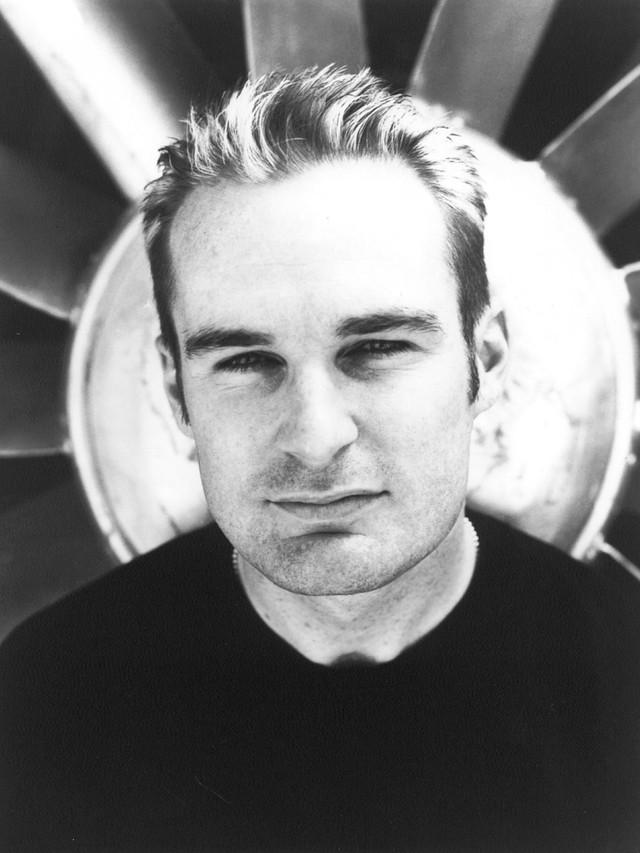
Lee Coombs’ Spotify BioInternationally popular British-born breaks DJ/producer Lee Coombs is best known for his affiliation with Finger Lickin' Records from 1998-2005, during which time he scored the crossover club smash "Shiver." Coombs first began DJing in 1989 amid the acid house scene then centered in London. He made his production debut in 1991 in collaboration with Nick Annies. Billing themselves as the Invisible Men, Coombs and Annies released a pair of EPs (The Self Indulge EP, 1991; Overindulge, 1992) on Orbital Records before switching to a new moniker, Exodus to Paradise, and releasing another pair of EPs (Roc-Et/Rhyde the Rithum, 1992; Pump the Jam/Deep Blue, 1993), this time on a label of their own, Paradise Records. Two years later Coombs and Annies founded another label, Pumpin' Vinyl, on which they released Rock-It (2005), credited to Exodus to Paradise; Energy Trax (2005), credited to their latest moniker, Energiser; and Feel It (1996), credited solely to Coombs. During the next couple… years, Coombs broke away from Annies, collaborated with Jeremy Norris as Frog Junkies for the Aura Surround Sounds release Air Guitar (1997), collaborated also with Nick Slater and Kevin Lancaster as Freakazoids for a series of releases on Zoid Recordings, and started a label of his own, Thrust Recordings, on which he released solo productions under a number of monikers.
More importantly, however, Coombs joined the ranks of the fledgling label Finger Lickin' Records and made his solo production debut on the label with Sky Juice (1998), followed by several other 12" EP releases. The label also released Future Sound of Retro (2001), his first official DJ mix album. Afterward, Coombs was approached by Paul Oakenfold to record a similarly styled mix album, Perfecto Breaks (2002), and he was commissioned for remixes of New Order and Moby. Coombs ultimately left the ranks of Finger Lickin' Records in the wake of Breakfast of Champions (2004), a full-length album, and "Shiver," the crossover club smash from the album that was licensed for release in 2005 by the prominent house label Azuli. Upon leaving, he renewed his focus on the label he'd founded several years prior, Thrust Recordings, releasing the mix album The Land of the Monkey Snake (2006) on it. A couple years later, after relocating from England to Florida, Coombs aligned himself with Lot49, debuting on the label in 2008 with the mix album Lot49 Presents Lee Coombs. ~ Jason Birchmeier, Rovi
Viberate is a music analytics platform built for A&Rs, artist managers, labels, booking agents, marketers, and artists.
It helps music professionals track artist growth, analyze audience data, monitor playlist activity, compare artists, follow song performance, and identify opportunities across the music market.
Public artist pages provide a free preview of selected artist data. Paid plans provide access to deeper analytics, historical data, charts, comparisons, playlist tools, exports, alerts, reports, and additional professional features.
Yes. Public Viberate artist pages provide selected artist analytics and music data for free.
Viberate also offers a 7-day free trial of the full platform. A credit card is required to start the trial. The trial includes access to the complete product so users can test deeper artist analytics, historical views, playlist insights, comparisons, charts, exports, alerts, and reporting features before choosing a paid plan.
Viberate provides artist analytics across streaming, playlists, social media, video, radio airplay, songs, and audience markets.
Users can analyze Spotify performance, Spotify and Apple Music playlists, YouTube activity, TikTok and Instagram growth, radio spins, song performance, audience locations, demographics, rankings, and overall artist momentum.
Artist profiles also connect to music charts, similar artists, and comparison tools, helping users benchmark performance and evaluate artists in context.
Viberate updates key artist and track data daily.
For followed artists and tracks, selected data is refreshed multiple times per day. This helps teams monitor playlist changes, streaming movement, audience growth, releases, and campaign performance with more current data.
Update frequency can vary depending on the metric and data source.
Yes. Viberate lets users compare up to five artists side by side across streaming, social media, audience, and engagement metrics.
Users can compare fanbase growth, audience demographics, locations, Spotify performance, social metrics, and other artist data over selected time periods.
Artist comparison can be used for A&R scouting, benchmarking, booking decisions, campaign planning, and evaluating artists with similar audiences or market positions.