Lazarus A.D.

Metal
Thrash Metal
 Viberate Rank: 136143
 Viberate Rank: 136143
 Monthly ListenersFollowers
 Subscribers
 Followers
 Followers
 FansTop Spotify Songs
| Track | 7-Day Streams | |
|---|---|---|
1 | 3.63K | |
2 | 2.42K | |
3 | 981 | |
4 | 969 | |
5 | 904 |
Top YouTube VideosMonthly ListenersFeatured in Playlists| Playlist | Followers | |
|---|---|---|
1 | Best of Trash Metal Lomprdik | 86.64K |
2 | thrash metal Daniel Baldwin | 21.08K |
3 |  TRASH METAL⚡️BEST OF THRASH METAL 🔱 THEOCIDE STUDIOS 🔱 | 13.72K |
4 | Heaviest Metal In The Universe bw4hh55qffvpmsqq9jvlg22il | 7.75K |
5 | Death Metal Mix 2025 Robin Hassel | 7.44K |
Audience| City | Monthly Listeners | |
|---|---|---|
1 |  | 463 |
2 |  | 461 |
3 |  | 401 |
4 |  | 226 |
5 |  | 149 |
See full performance history, audience data, playlist activity, rankings, comparisons, and more in Viberate music analytics. Start with a free trial, then continue with a paid plan.
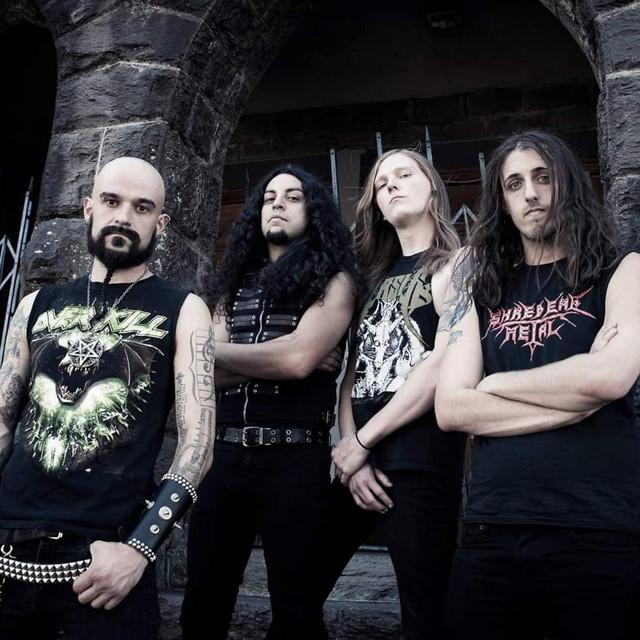
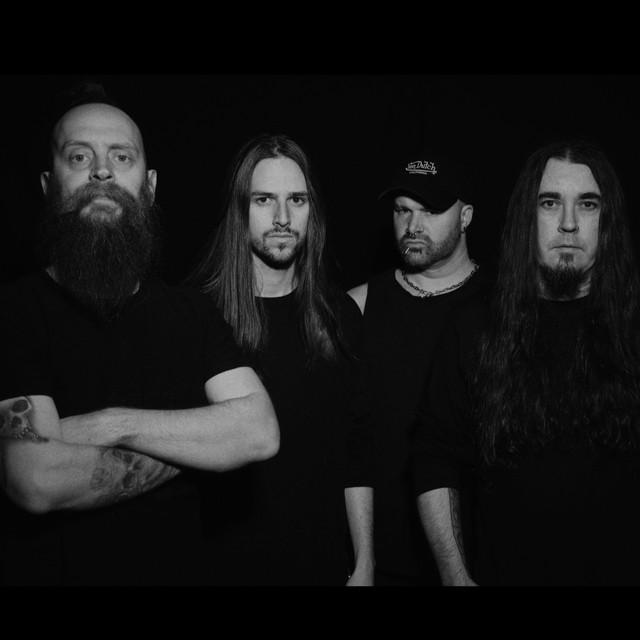
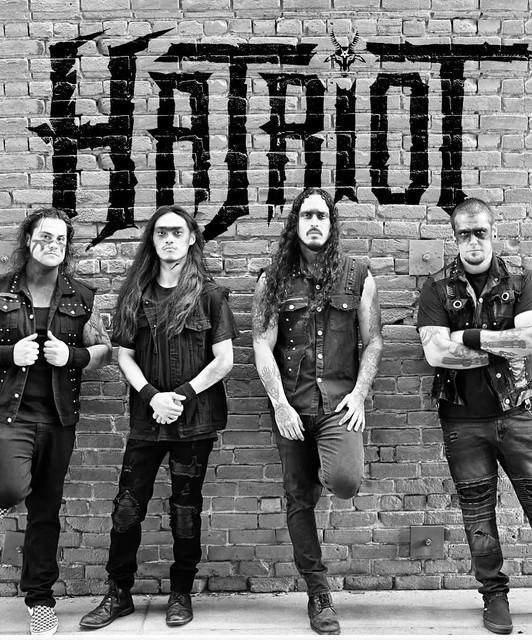
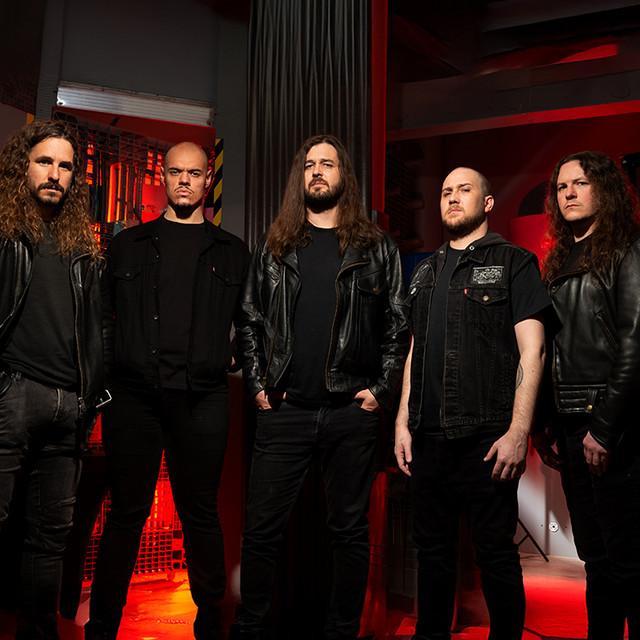
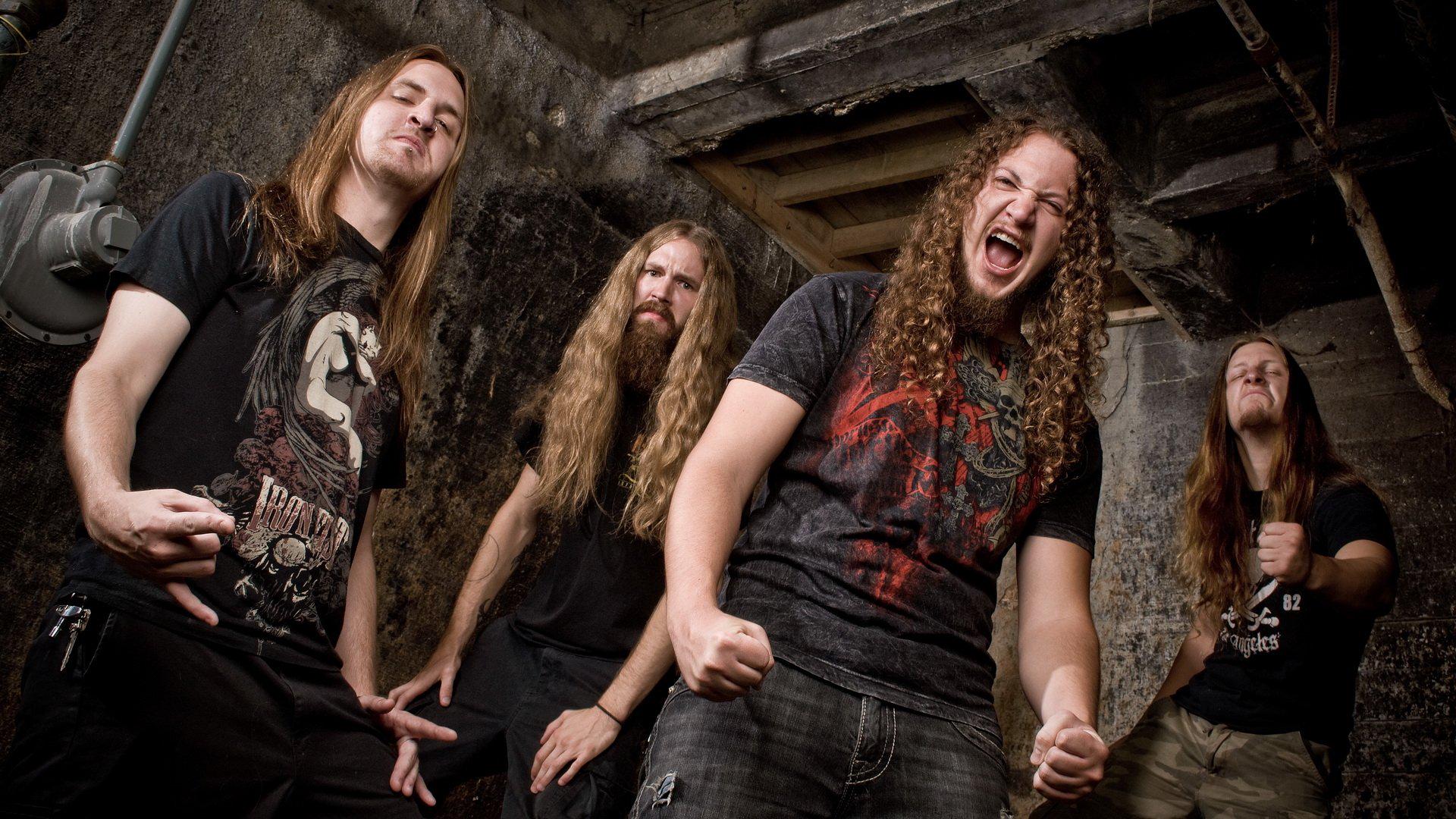
Lazarus A.D.’s Spotify BioWisconsin-based thrash outfit Lazarus A.D. formed in spring of 2005 around the talents of guitarist/vocalist Dan Gapen, bassist/vocalist Jeff Paulick, guitarist Alex Lackner, and drummer Ryan Shutler. Employing a ferocious sonic assault that draws heavily from the Bay Area thrash scene of the '80s while maintaining a modern melodic, groove-based edge, the quartet landed its first break in 2006 after opening for Anthrax. Fueled by the local success of their three-song EP, the band hit the road and then the studio, self-releasing their debut album in 2007. The Onslaught received rave reviews from the metal underground, resulting in an offer from Earache Records to appear on an upcoming compilation called Thrashing Like a Maniac. The band inked a deal with Metal Blade the following year, who reissued The Onslaught in early 2009. ~ James Christopher Monger, Rovi
Viberate is a music analytics platform built for A&Rs, artist managers, labels, booking agents, marketers, and artists.
It helps music professionals track artist growth, analyze audience data, monitor playlist activity, compare artists, follow song performance, and identify opportunities across the music market.
Public artist pages provide a free preview of selected artist data. Paid plans provide access to deeper analytics, historical data, charts, comparisons, playlist tools, exports, alerts, reports, and additional professional features.
Yes. Public Viberate artist pages provide selected artist analytics and music data for free.
Viberate also offers a 7-day free trial of the full platform. A credit card is required to start the trial. The trial includes access to the complete product so users can test deeper artist analytics, historical views, playlist insights, comparisons, charts, exports, alerts, and reporting features before choosing a paid plan.
Viberate provides artist analytics across streaming, playlists, social media, video, radio airplay, songs, and audience markets.
Users can analyze Spotify performance, Spotify and Apple Music playlists, YouTube activity, TikTok and Instagram growth, radio spins, song performance, audience locations, demographics, rankings, and overall artist momentum.
Artist profiles also connect to music charts, similar artists, and comparison tools, helping users benchmark performance and evaluate artists in context.
Viberate updates key artist and track data daily.
For followed artists and tracks, selected data is refreshed multiple times per day. This helps teams monitor playlist changes, streaming movement, audience growth, releases, and campaign performance with more current data.
Update frequency can vary depending on the metric and data source.
Yes. Viberate lets users compare up to five artists side by side across streaming, social media, audience, and engagement metrics.
Users can compare fanbase growth, audience demographics, locations, Spotify performance, social metrics, and other artist data over selected time periods.
Artist comparison can be used for A&R scouting, benchmarking, booking decisions, campaign planning, and evaluating artists with similar audiences or market positions.