László Lajtha

Classical
Orchestral
 Viberate Rank: 848043
 Viberate Rank: 848043
 Monthly ListenersFollowers
 Subscribers
 Followers
 Followers
 FansTop Spotify SongsTop YouTube VideosMonthly ListenersFeatured in PlaylistsAudience
| City | Monthly Listeners | |
|---|---|---|
1 | | 10 |
2 |  | 6 |
3 |  | 5 |
4 |  | 5 |
5 |  | 5 |
See full performance history, audience data, playlist activity, rankings, comparisons, and more in Viberate music analytics. Start with a free trial, then continue with a paid plan.
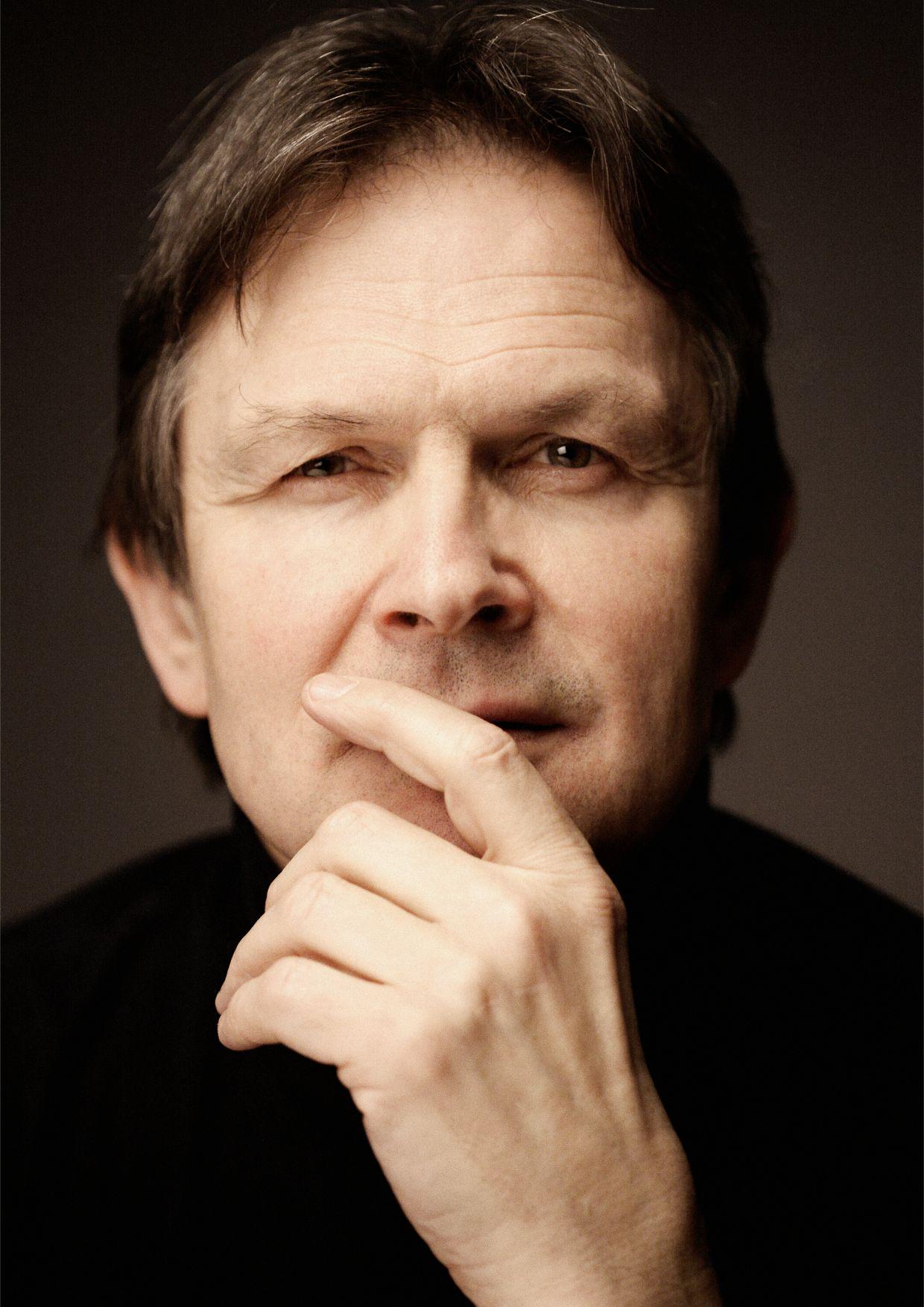
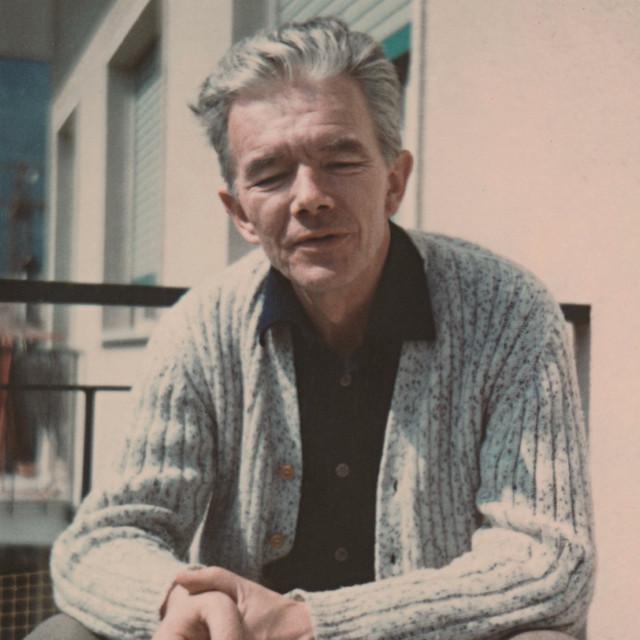
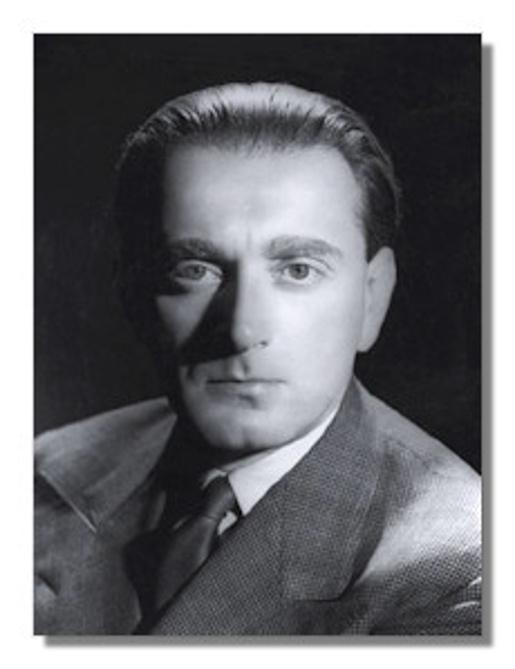
László Lajtha’s Spotify BioHungarian composer László Lajtha was widely recognized for his talents, both among his Hungarian contemporaries and among mid-20th century composers in France, where, in 1955, he became the first Hungarian inducted into the Academie Française. Due to the repressive efforts of the Hungarian state cultural apparatus, and of the Germanic academic one, his works were largely forgotten. He was influenced by both Bartókian ethnomusicology and the Western European tradition, especially French. The 21st century has seen a revival in his reputation.
Lajtha was born in Budapest on June 30, 1892. He studied with Zoltán Kodály and others, traveling just before World War I to Leipzig and Paris, where he was a student of d'Indy and became interested in contemporary French development. During the war he enlisted as an artillery gunner, was wounded several times, and suffered lifelong stomach problems from a disease contracted at the front. In the early 1920s Lajtha married and had two sons, both of… whom became prominent medical researchers. He taught at Hungary's National Music School, remaining on the faculty there until 1949, and did ethnomusicological research at the country's National Museum of Ethnography, joining Bartók on song-collecting trips when his health permitted. Bartók admired Lajtha's compositions, but complained that the younger composer did little to promote his own work.
Lajtha's String Quartet No. 3, Op. 11, won the Coolidge Prize in 1929, inaugurating a period in which his works were frequently performed, both at home and abroad. His works were (and are) issued by the French publisher Alphonse Leduc; they include nine symphonies, ten string quartets, theatrical and film music, piano music, and a variety of smaller works. Lajtha survived World War II in Budapest, hiding out with his family in a university building during the worst of the fighting, and he did much to maintain Hungarian musical life during the war. As Hungary's Communist Party became more powerful, however, he was ideologically suspect, and performances of his works were discouraged. The situation worsened when Lajtha supported the failed Hungarian uprising against the Soviet Union in 1956, but he remained popular abroad, and a French critic reacted to a 1958 Paris performance of his Symphony No. 7, Op. 63 ("Revolution"), by calling him one of the greatest symphonists of the 20th century. Aging and in ill health, but still hard at work, Lajtha was given a passport in 1961. He delivered a lecture at the Academie Française in 1962. Returning from a trip to collect folk music, Lajtha died of a heart attack on February 16, 1963.
Viberate is a music analytics platform built for A&Rs, artist managers, labels, booking agents, marketers, and artists.
It helps music professionals track artist growth, analyze audience data, monitor playlist activity, compare artists, follow song performance, and identify opportunities across the music market.
Public artist pages provide a free preview of selected artist data. Paid plans provide access to deeper analytics, historical data, charts, comparisons, playlist tools, exports, alerts, reports, and additional professional features.
Yes. Public Viberate artist pages provide selected artist analytics and music data for free.
Viberate also offers a 7-day free trial of the full platform. A credit card is required to start the trial. The trial includes access to the complete product so users can test deeper artist analytics, historical views, playlist insights, comparisons, charts, exports, alerts, and reporting features before choosing a paid plan.
Viberate provides artist analytics across streaming, playlists, social media, video, radio airplay, songs, and audience markets.
Users can analyze Spotify performance, Spotify and Apple Music playlists, YouTube activity, TikTok and Instagram growth, radio spins, song performance, audience locations, demographics, rankings, and overall artist momentum.
Artist profiles also connect to music charts, similar artists, and comparison tools, helping users benchmark performance and evaluate artists in context.
Viberate updates key artist and track data daily.
For followed artists and tracks, selected data is refreshed multiple times per day. This helps teams monitor playlist changes, streaming movement, audience growth, releases, and campaign performance with more current data.
Update frequency can vary depending on the metric and data source.
Yes. Viberate lets users compare up to five artists side by side across streaming, social media, audience, and engagement metrics.
Users can compare fanbase growth, audience demographics, locations, Spotify performance, social metrics, and other artist data over selected time periods.
Artist comparison can be used for A&R scouting, benchmarking, booking decisions, campaign planning, and evaluating artists with similar audiences or market positions.