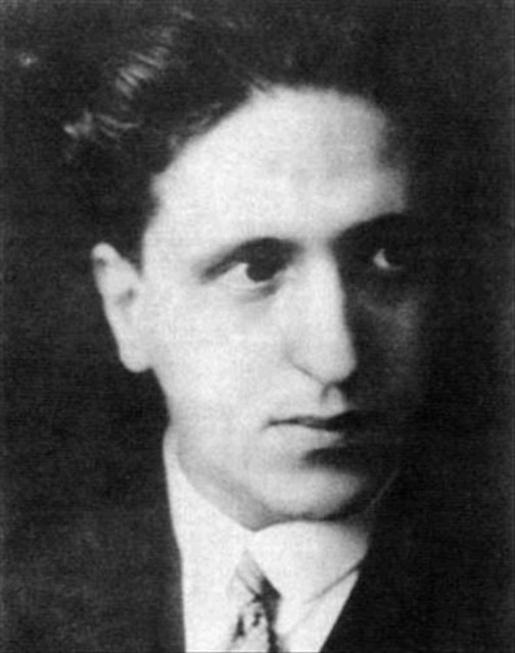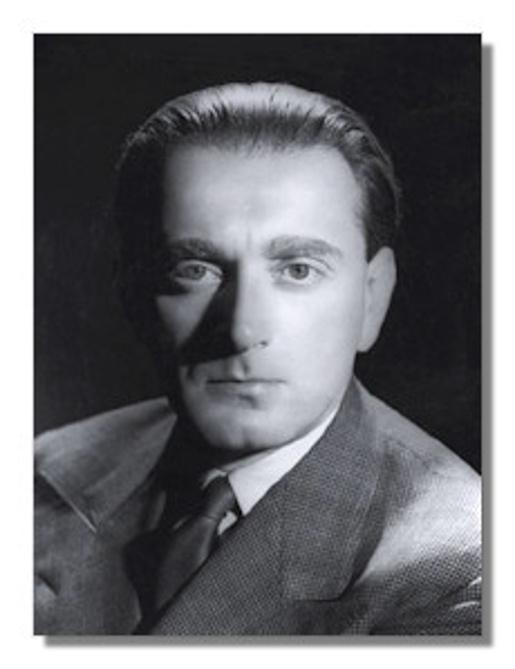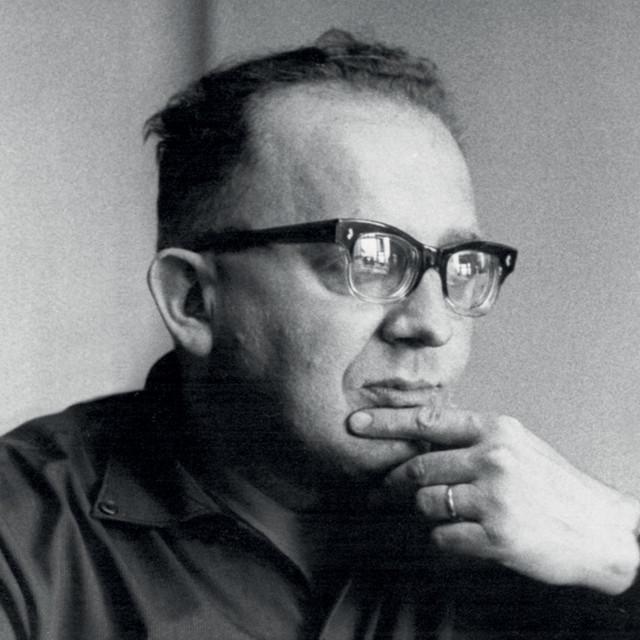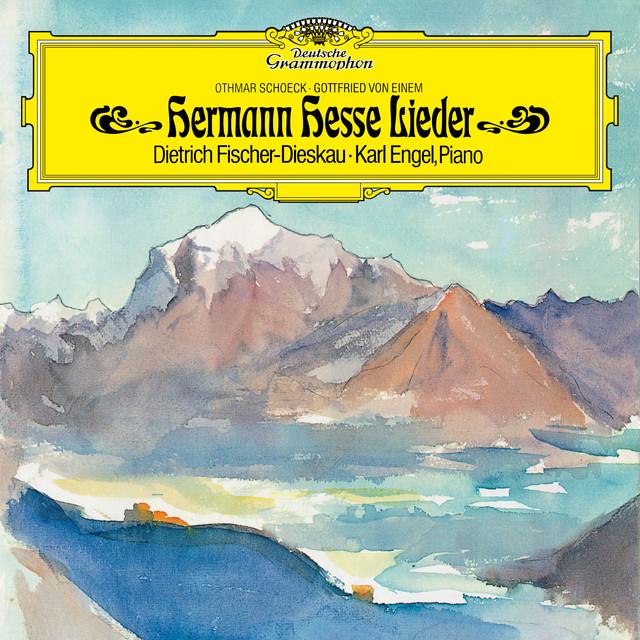
Gottfried von Einem

Classical
Opera
 Viberate Rank: 901894
 Viberate Rank: 901894
 Monthly ListenersFollowers
 Subscribers
 Followers
 Followers
 FansTop Spotify SongsTop YouTube VideosMonthly ListenersFeatured in Playlists
| Playlist | Followers | |
|---|---|---|
1 | Classical Double Bass rhinoxing | 1.71K |
2 |  Contrabajo Solo Ana Cartagena | 1.07K |
3 |  Another Year of Wonder: Classical Music for Every Day - Clemency Burton-Hill lilham | 1.06K |
4 |  All The Album Art is Circles meatballcarm | 3 |
Audience| City | Monthly Listeners | |
|---|---|---|
1 | | 14 |
2 |  | 10 |
3 | | 8 |
4 |  | 7 |
5 |  | 5 |
See full performance history, audience data, playlist activity, rankings, comparisons, and more in Viberate music analytics. Start with a free trial, then continue with a paid plan.
Gottfried von Einem’s Spotify BioVon Einem's life was often as dramatic as one of his operas, but he managed to forge a unique style that combined Romantic elements with jazz and atonal sounds and methods.
The son of a military attaché to the Austrian embassy in Bern, von Einem was educated in Holstein at a school with an emphasis on music, in Ratzeburg, and in England. In 1938, he became a coach for the Berlin Staatsoper and the Bayreuth Festspielhaus, and felt that experience to be formative, leading him toward composing for the stage. From 1941 -- 1943 in Berlin, he began studying privately with the officially "degenerate" (entartete) composer Boris Blacher, who was very influential on his style and wrote libretti for four of von Einem's five operas. At this time, von Einem also established friendships with Carl Orff, Egk, and Wagner-Régeny.
Aside from musical friends and experiences, von Einem's personality was, of course, also affected by the serious developments in Europe. For several years, he had been helping… people escape from the totalitarian German state. Somehow, the Gestapo learned of this, and he was arrested and interrogated. The entire story is Kafkaesque, like a scene from von Einem's second opera, a setting of Kafka's Der Prozess (The Trial, 1953, produced at the Salzburg Festival).
Von Einem was released, and obtained the position of resident composer and musical adviser to the Dresden Staatsoper in 1944, simultaneous with the success of his first stage work, a ballet entitled Prinzessin Turandot (Princess Turandot, in two scenes). Shortly after the war's end, his first opera Dantons Tod (The Death of Danton, 1944 -- 1946) was given at the 1947 Salzburg Festival, securing international fame for the composer. In these first two operas, the von Einem "sound" is clearly heard with its strong jazz-influenced rhythms, its touches of Stravinsky and Blacher, rich harmonies, powerful string writing, and a sectional organization that avoids traditional continuity.
From 1948 to 1951, von Einem was a board member for the Salzburg Festival, and then chairman of the Kunstrat (Art Advisory). In 1953, he moved to Vienna and was a board member of the Concert House Society, and a director of the Vienna Festival from 1960 to 1964. He composed his third opera, a folk comedy-farce entitled Der Zerissene (The Torn One, 1961 -- 1964), four new ballets including the energetic Pas de coeur (Death and Resurrection of a Ballerina) (1952), a Piano Concerto (1955), an oratorio with words by Brecht Das Stundenlied (The Song of the Hours, 1958), and the orchestral Symphonic Scenes (1956), one of several American commissions. Von Einem was gradually moving away from his early Expressionist atmospheres.
He began teaching composition in 1965. His important works of the 1970s include the operas The Old Lady's Visit, with text by Dürrenmatt (1971); and Cabal and Love (1976); the song cycle Rosa mystica; and the oratorio An die Nach gebornen for the 30th anniversary of the UNO in New York.
Viberate is a music analytics platform built for A&Rs, artist managers, labels, booking agents, marketers, and artists.
It helps music professionals track artist growth, analyze audience data, monitor playlist activity, compare artists, follow song performance, and identify opportunities across the music market.
Public artist pages provide a free preview of selected artist data. Paid plans provide access to deeper analytics, historical data, charts, comparisons, playlist tools, exports, alerts, reports, and additional professional features.
Yes. Public Viberate artist pages provide selected artist analytics and music data for free.
Viberate also offers a 7-day free trial of the full platform. A credit card is required to start the trial. The trial includes access to the complete product so users can test deeper artist analytics, historical views, playlist insights, comparisons, charts, exports, alerts, and reporting features before choosing a paid plan.
Viberate provides artist analytics across streaming, playlists, social media, video, radio airplay, songs, and audience markets.
Users can analyze Spotify performance, Spotify and Apple Music playlists, YouTube activity, TikTok and Instagram growth, radio spins, song performance, audience locations, demographics, rankings, and overall artist momentum.
Artist profiles also connect to music charts, similar artists, and comparison tools, helping users benchmark performance and evaluate artists in context.
Viberate updates key artist and track data daily.
For followed artists and tracks, selected data is refreshed multiple times per day. This helps teams monitor playlist changes, streaming movement, audience growth, releases, and campaign performance with more current data.
Update frequency can vary depending on the metric and data source.
Yes. Viberate lets users compare up to five artists side by side across streaming, social media, audience, and engagement metrics.
Users can compare fanbase growth, audience demographics, locations, Spotify performance, social metrics, and other artist data over selected time periods.
Artist comparison can be used for A&R scouting, benchmarking, booking decisions, campaign planning, and evaluating artists with similar audiences or market positions.