Blue Highway

Country
Bluegrass
Americana/Alt Country
 Viberate Rank: 90694
 Viberate Rank: 90694
 Monthly ListenersFollowers
 Subscribers
 Followers
 Followers
 FansTop Spotify Songs
| Track | 7-Day Streams | |
|---|---|---|
1 | 15.83K | |
2 | 12.19K | |
3 | 12.08K | |
4 | 9.77K | |
5 | 8.76K |
Top YouTube VideosMonthly ListenersFeatured in Playlists| Playlist | Followers | |
|---|---|---|
1 |  Appalachian Bluegrass TC Huff | 38.85K |
2 |  Old Time Southern Gospel JukeboxCharlie | 38.16K |
3 | Bluegrass Gospel and Hymns Griffith1230 | 20.18K |
4 | Hayden Eldridge | 13.26K |
5 | Appalachian Country Ritchie Friedman | 11.47K |
Audience| City | Monthly Listeners | |
|---|---|---|
1 | | 4.01K |
2 | | 2.51K |
3 | | 2.41K |
4 | | 2.01K |
5 | | 1.87K |
See full performance history, audience data, playlist activity, rankings, comparisons, and more in Viberate music analytics. Start with a free trial, then continue with a paid plan.
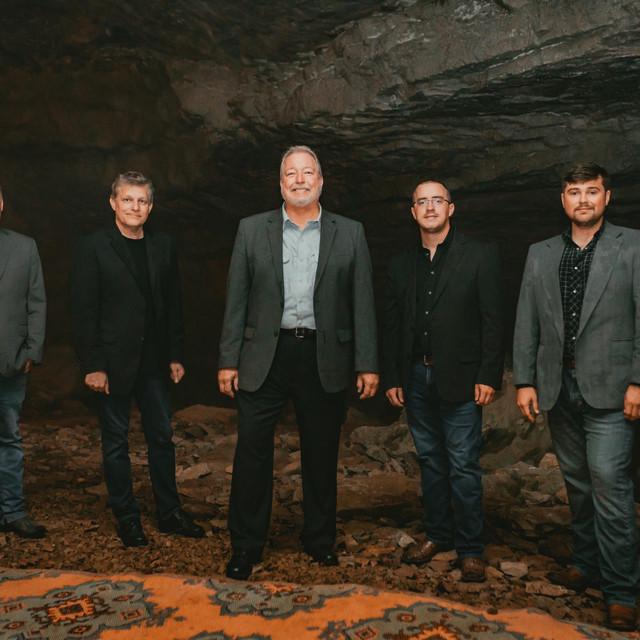
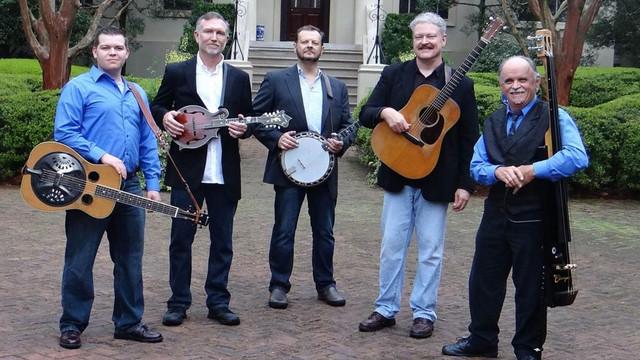
Blue Highway’s Spotify BioOne of America's most celebrated bluegrass bands, Blue Highway has been one of the leading acts in acoustic country music since the mid-'90s, showing off a love of traditional styles while embracing the imagination and songcraft of contemporary bluegrass. Founded by guitarist Tim Stafford and bassist Wayne Taylor, Blue Highway's members had enough high-profile experience to make their debut album, 1995's It's a Long, Long Road, an event in bluegrass circles. Their strong ensemble playing and knack for memorable songs served them well on albums like 1999's Blue Highway and 2014's The Game. 2024's Lonesome State of Mind saw the band -- featuring four of their five original members -- sounding as fresh and invigorating as ever.
Blue Highway was formed in 1994 by former Alison Krauss & Union Station guitarist Tim Stafford, who was eager to start a side project and contacted bassist Wayne Taylor, who was dividing his time between playing music and driving a coal truck. Adding mandolin and… fiddle player Shawn Lane (a veteran of Doyle Lawson & Quicksilver and Larry Sparks), dobro player Rob Ickes (whose previous experience included stints with Alison Krauss, the Cox Family, and David Grisman), and banjo picker Jason Burleson, Blue Highway played their first show in Kingsport, Tennessee on December 31, 1994. In July 1995, they released their first album, It's a Long Long Road, on the independent bluegrass label Rebel Records, earning enthusiastic reviews from the bluegrass press. In 1996, it was named the Album of the Year at the International Bluegrass Music Association awards, while Blue Highway were honored as Emerging Artists of the Year. Rob Ickes was also named Dobro Player of the Year at the 1996 IBMAs, an honor he would receive 11 more times between 1997 and 2010.
The group's second album, 1996's Wind to the West, also fared well, and after one more effort for Rebel, 1998's Midnight Storm, Ricky Skaggs signed the group to his Skaggs Family label for their self-titled fourth album in 1999. Blue Highway was released while Jason Burleson took a hiatus from the group; Tom Adams took over on banjo from 1998 to 2000, when Burleson returned to the lineup.
For 2001's Still Climbing Mountains, the group moved to the iconic roots music label Rounder Records, and that same year, Tim Stafford and Wayne Taylor were both honored for their instrumental skills by the Society for the Preservation of Bluegrass Music of America. The same group would honor Rob Ickes in 2003, the year Blue Highway would release Wondrous Love, their first gospel-themed album. Wondrous Love received a Dove Award for Best Bluegrass Album, received an IBMA trophy for Gospel Recording of the Year, and was nominated for a Grammy Award for Best Bluegrass Gospel Album.
2005's Marbletown garnered another Grammy nomination for Blue Highway. In 2006, Rebel Records released Lonesome Pine, a collection of tracks from Blue Highway's three albums for the label. In 2008, the group released Through the Window of a Train; the title track won Song of the Year at that year's IMBA's. 2009 saw Rounder honoring Blue Highway's first 15 years as a band with a sampler of their material for the label, Some Day: The Fifteenth Anniversary Collection. The hard-working group maintained a steady touring schedule and released Sounds of Home in 2011 and The Game in 2014.
In November 2015, Blue Highway surprised fans by announcing their first personnel change since Jason Burleson's 1998-2000 sabbatical. Rob Ickes revealed he was amicably parting ways with the group after 20 years, citing the difficulties of life on the road and a desire to work with a smaller group. Less than a month later, Blue Highway unveiled their new lineup, with 19-year-old dobro prodigy Gaven Largent taking Ickes' place.
In May 2016, Blue Highway had to put their activities on hold when bassist Wayne Taylor was hospitalized with severe chest pains. Three months later, after quadruple bypass surgery, Taylor was given the OK to return to performing, in time for the September 2016 release of the album Original Traditional. In 2018, Gaven Largent left Blue Highway, and Justin Moses took over on dobro until 2019, when he was replaced by Gary Hultman. After eight years primarily devoted to live work, Blue Highway signed with Down the Road Records, a new label launched by Rounder Records founders Ken Irwin, Marian Leighton Levy, and Bill Nowlin. The group's first album on Down the Road was 2024's Lonesome State of Mind, whose title track had been named the Most Played Bluegrass Song of 2023 by the magazine Bluegrass Today. ~ Mark Deming, Rovi
Viberate is a music analytics platform built for A&Rs, artist managers, labels, booking agents, marketers, and artists.
It helps music professionals track artist growth, analyze audience data, monitor playlist activity, compare artists, follow song performance, and identify opportunities across the music market.
Public artist pages provide a free preview of selected artist data. Paid plans provide access to deeper analytics, historical data, charts, comparisons, playlist tools, exports, alerts, reports, and additional professional features.
Yes. Public Viberate artist pages provide selected artist analytics and music data for free.
Viberate also offers a 7-day free trial of the full platform. A credit card is required to start the trial. The trial includes access to the complete product so users can test deeper artist analytics, historical views, playlist insights, comparisons, charts, exports, alerts, and reporting features before choosing a paid plan.
Viberate provides artist analytics across streaming, playlists, social media, video, radio airplay, songs, and audience markets.
Users can analyze Spotify performance, Spotify and Apple Music playlists, YouTube activity, TikTok and Instagram growth, radio spins, song performance, audience locations, demographics, rankings, and overall artist momentum.
Artist profiles also connect to music charts, similar artists, and comparison tools, helping users benchmark performance and evaluate artists in context.
Viberate updates key artist and track data daily.
For followed artists and tracks, selected data is refreshed multiple times per day. This helps teams monitor playlist changes, streaming movement, audience growth, releases, and campaign performance with more current data.
Update frequency can vary depending on the metric and data source.
Yes. Viberate lets users compare up to five artists side by side across streaming, social media, audience, and engagement metrics.
Users can compare fanbase growth, audience demographics, locations, Spotify performance, social metrics, and other artist data over selected time periods.
Artist comparison can be used for A&R scouting, benchmarking, booking decisions, campaign planning, and evaluating artists with similar audiences or market positions.