Lake Trout

Rock
Indie Rock
Nu Jazz
Alternative Hip Hop
 Viberate Rank: 470302
 Viberate Rank: 470302
 Monthly ListenersFollowers
 Subscribers
 Followers
 Followers
 FansTop Spotify Songs
| Track | 7-Day Streams | |
|---|---|---|
1 | 72 | |
2 | 65 | |
3 | 42 | |
4 | 31 | |
5 | 27 |
Top YouTube VideosMonthly ListenersFeatured in Playlists| Playlist | Followers | |
|---|---|---|
1 | Jazz Fusion, Progressive Rock, & Jam Bands Curator Seedpicker | 7.16K |
2 |  Complete CSI Miami Soundtrack nuriko-chan | 2.14K |
3 | Phish, Umphreys, jam, bluegrass Ryan Burner | 1.54K |
4 | Radio Paradise - Main Mix jayrcarr | 1.50K |
5 | Ultimate Rolling Stones Covers- The Original zenreader | 1.46K |
Audience| City | Monthly Listeners | |
|---|---|---|
1 | | 25 |
2 | | 17 |
3 | | 15 |
4 | | 13 |
5 | | 13 |
See full performance history, audience data, playlist activity, rankings, comparisons, and more in Viberate music analytics. Start with a free trial, then continue with a paid plan.
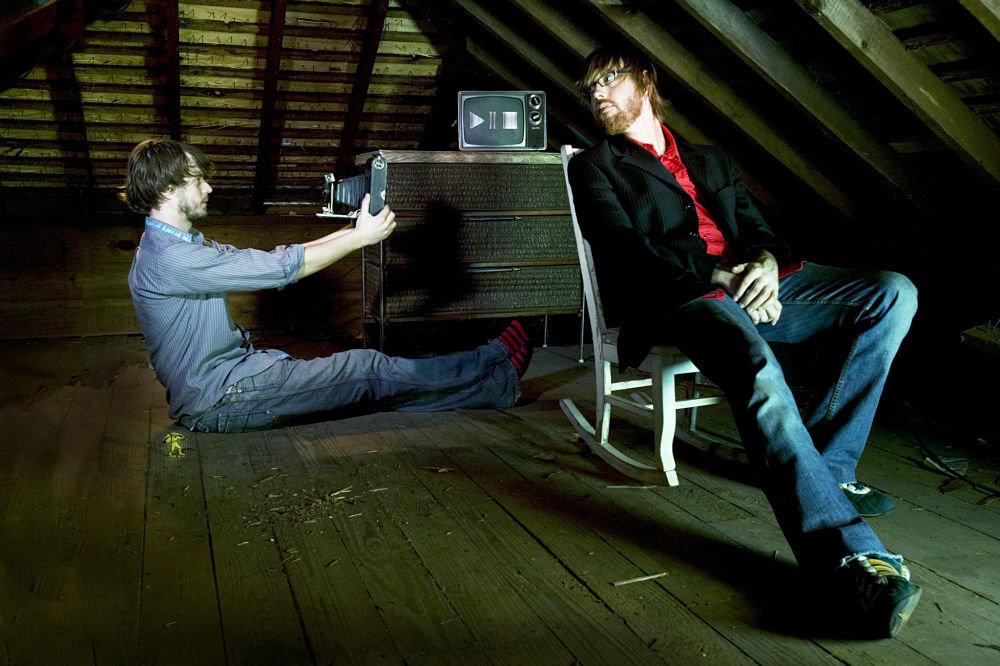
Lake Trout’s Spotify BioAlthough originally lumped together with many of the so-called jam bands, Lake Trout's sound, mixing elements of myriad contemporary styles, developed around a harder-edged progressive indie rock attack. Formed while bandmembers were attending music school in Baltimore in the mid-'90s, the quintet featured Woody Ranere on vocals and guitar; Ed Harris on guitar; Mike Lowry on drums; James Griffith on electric bass; and Matt Pierce on keyboards, flute, and vocals.
Their early sound -- which combined jazz with hip-hop, drawing on the work of A Tribe Called Quest, Beck, Pat Martino, and Al Green -- was documented on a self-titled record, released by SNS Records. Soon after the album's release, the band was introduced to drum'n'bass and electronic music in general. The sound began to creep its way into the band's approach. This resulted in their second album for SNS, Volume for the Rest of It.
The band soon found likeminded spirits in the jam band scene, with groups like the Disco Biscuits,… Sound Tribe Sector 9, and the New Deal all experimenting with the integration of electronic elements into their respective aesthetics. Lake Trout briefly signed with a jam band-based label, Phoenix Rising, on which they released Alone at Last, a live album recorded in December 1999 in Virginia, capturing a set performed with DJ Who, who appeared frequently with the band.
What separated Lake Trout from other jam bands was their commitment to repetitive minimalism, a trait drawn more from Philip Glass and Steve Reich than Phish and the Grateful Dead. Lake Trout were able to build pieces of music slowly and thoughtfully. This was thanks to a strange combination of the fast and propulsive breakbeat drumming of Lowry and the patient pattern playing of Harris.
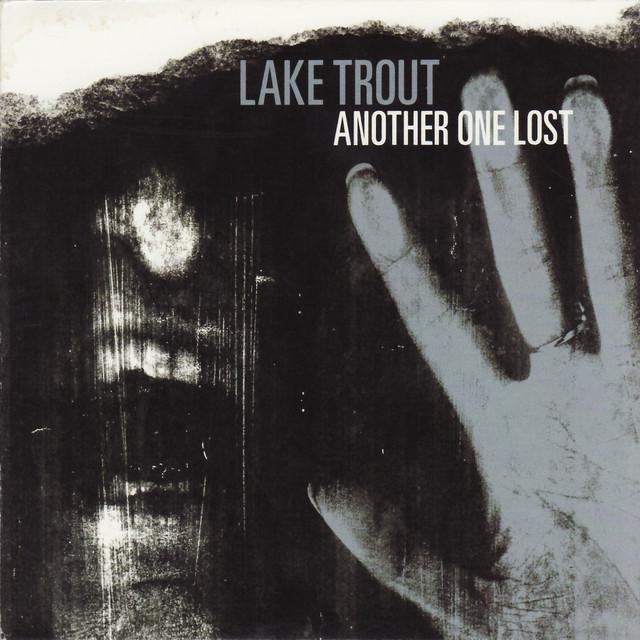
By early 2001, the group was beginning to integrate more traditionally rock & roll influences (as were many of their contemporaries). While not abandoning the live electronic elements, Lake Trout befriended bands like the Cancer Conspiracy and Dismemberment Plan. By mid-2002, they had produced Another One Lost -- a record of dark, Radiohead-like mood explorations -- which they released independently, while SNS Records (who they were still under contract to) pursued legal action. In 2005 the band issued the album Not Them, You on Palm Pictures. ~ Jesse Jarnow, Rovi
Viberate is a music analytics platform built for A&Rs, artist managers, labels, booking agents, marketers, and artists.
It helps music professionals track artist growth, analyze audience data, monitor playlist activity, compare artists, follow song performance, and identify opportunities across the music market.
Public artist pages provide a free preview of selected artist data. Paid plans provide access to deeper analytics, historical data, charts, comparisons, playlist tools, exports, alerts, reports, and additional professional features.
Yes. Public Viberate artist pages provide selected artist analytics and music data for free.
Viberate also offers a 7-day free trial of the full platform. A credit card is required to start the trial. The trial includes access to the complete product so users can test deeper artist analytics, historical views, playlist insights, comparisons, charts, exports, alerts, and reporting features before choosing a paid plan.
Viberate provides artist analytics across streaming, playlists, social media, video, radio airplay, songs, and audience markets.
Users can analyze Spotify performance, Spotify and Apple Music playlists, YouTube activity, TikTok and Instagram growth, radio spins, song performance, audience locations, demographics, rankings, and overall artist momentum.
Artist profiles also connect to music charts, similar artists, and comparison tools, helping users benchmark performance and evaluate artists in context.
Viberate updates key artist and track data daily.
For followed artists and tracks, selected data is refreshed multiple times per day. This helps teams monitor playlist changes, streaming movement, audience growth, releases, and campaign performance with more current data.
Update frequency can vary depending on the metric and data source.
Yes. Viberate lets users compare up to five artists side by side across streaming, social media, audience, and engagement metrics.
Users can compare fanbase growth, audience demographics, locations, Spotify performance, social metrics, and other artist data over selected time periods.
Artist comparison can be used for A&R scouting, benchmarking, booking decisions, campaign planning, and evaluating artists with similar audiences or market positions.