Drums and Tuba

R&B
Funk
Funk Rock
 Viberate Rank: 744124
 Viberate Rank: 744124
 Monthly ListenersFollowers
 Subscribers
 Followers
 Followers
 FansTop Spotify Songs
| Track | 7-Day Streams | |
|---|---|---|
1 | 25 | |
2 | 15 | |
3 | 8 | |
4 | 8 | |
5 | 5 |
Top YouTube VideosMonthly ListenersFeatured in PlaylistsAudience| City | Monthly Listeners | |
|---|---|---|
1 | | 4 |
2 | | 4 |
3 | | 4 |
4 | | 4 |
5 |  | 4 |
See full performance history, audience data, playlist activity, rankings, comparisons, and more in Viberate music analytics. Start with a free trial, then continue with a paid plan.
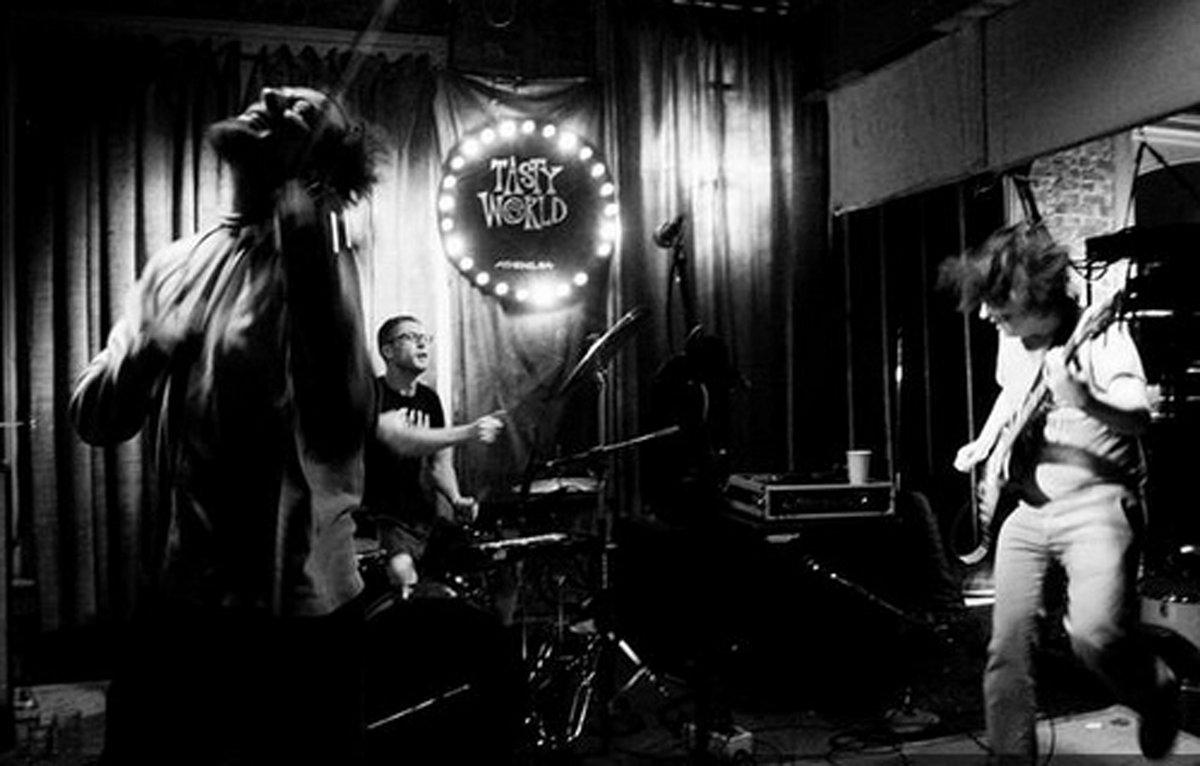
Drums and Tuba’s Spotify BioDrums & Tuba tapped a variety of musical traditions and experimentation to forge its eclectic identity. The New York-based trio carried its message home by combining rock, Afro-beat, jazz, punk, electronica, New Orleans brass band traditions, and funk into a heady mix of grooves and song-structured instrumental music. Drums & Tuba, consisting of Brian Wolff (tuba, trumpet, trombone), Anthony Nozero (drums, percussion, electronics), and Neal McKeeby (guitars), started to focus more attention on electronica and rock with the release of Vinyl Killer on Ani DiFranco's Righteous Babe Records in 2001.
It all started for the group in 1995 in Austin, TX, where all three members had migrated to discover new musical insights in the early '90s. Wolff and Nozero began as a duo called Just Drums & Tuba, performing weekend nights for tips on Sixth Street in downtown Austin. They considered adding another horn player and going the brass band route, but few good ones were available in Austin, so soon… they added guitarist McKeeby (who had played with Wolff in the rock band Hominy Bop) and shortened their band name to Drums & Tuba. The trio released its first CD, Box Fetish, in 1997 on T.E.C. Tones (later reissued on My Pal God Records), following it with The Flying Ballerina (1998) and Flatheads and Spoonies (1999), the band's first for My Pal God. Early on, the Rebirth Brass Band from New Orleans influenced Wolff, and all three listened to the Meters, but electronica started to surface in the band's music on Flatheads and Spoonies. (Electronica and Fela Kuti's Afro-beat music would play an increasingly important role on Drum & Tuba's CD Vinyl Killer.) After performing locally in Austin and touring briefly, the band began to splinter in late 1999 when its members relocated to different cities. Wolff returned to his hometown, New York City, to complete a Masters degree in music education at New York University. Nozero, from Madison, WI, moved to Chicago.
Drums & Tuba was resurrected after Ani DiFranco asked the group to open for her band on tour in 1998. She spent a lot of time in Austin recording her own songs and heard about Drums & Tuba from a recording engineer at Congress House Studios. Touring enabled the band to reactivate and it became more energetic about identifying its sound. The group took a mainstream approach to song structure, but was experimental in its embrace of various musical genres. Drums & Tuba self-released its next two records, a 7" called Borscht and an EP called Cairo, in 2000. They toured again with DiFranco and with the New Orleans-based group Galactic in 2000. DiFranco later signed the trio to her Righteous Babe Records and released its Vinyl Killer (co-produced by DiFranco and her associate Andrew "Goat Boy" Gilchrist) in 2001, followed by Mostly Ape a year later and Battles Olé in 2005. ~ Robert Hicks, Rovi
Viberate is a music analytics platform built for A&Rs, artist managers, labels, booking agents, marketers, and artists.
It helps music professionals track artist growth, analyze audience data, monitor playlist activity, compare artists, follow song performance, and identify opportunities across the music market.
Public artist pages provide a free preview of selected artist data. Paid plans provide access to deeper analytics, historical data, charts, comparisons, playlist tools, exports, alerts, reports, and additional professional features.
Yes. Public Viberate artist pages provide selected artist analytics and music data for free.
Viberate also offers a 7-day free trial of the full platform. A credit card is required to start the trial. The trial includes access to the complete product so users can test deeper artist analytics, historical views, playlist insights, comparisons, charts, exports, alerts, and reporting features before choosing a paid plan.
Viberate provides artist analytics across streaming, playlists, social media, video, radio airplay, songs, and audience markets.
Users can analyze Spotify performance, Spotify and Apple Music playlists, YouTube activity, TikTok and Instagram growth, radio spins, song performance, audience locations, demographics, rankings, and overall artist momentum.
Artist profiles also connect to music charts, similar artists, and comparison tools, helping users benchmark performance and evaluate artists in context.
Viberate updates key artist and track data daily.
For followed artists and tracks, selected data is refreshed multiple times per day. This helps teams monitor playlist changes, streaming movement, audience growth, releases, and campaign performance with more current data.
Update frequency can vary depending on the metric and data source.
Yes. Viberate lets users compare up to five artists side by side across streaming, social media, audience, and engagement metrics.
Users can compare fanbase growth, audience demographics, locations, Spotify performance, social metrics, and other artist data over selected time periods.
Artist comparison can be used for A&R scouting, benchmarking, booking decisions, campaign planning, and evaluating artists with similar audiences or market positions.