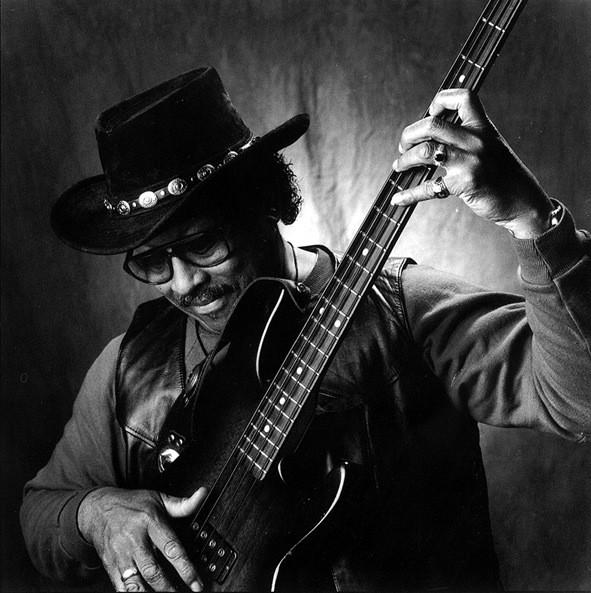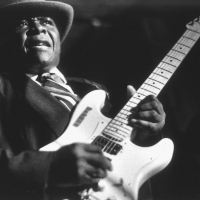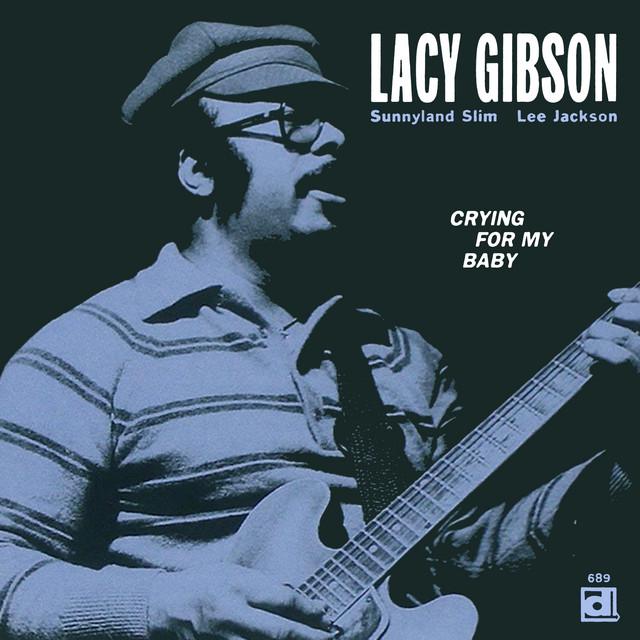
Lacy Gibson

Blues
Blues Rock
Contemporary Blues
 Viberate Rank: 393763
 Viberate Rank: 393763
 Monthly ListenersFollowers
 Subscribers
 Followers
 Followers
 FansTop Spotify Songs
| Track | 7-Day Streams | |
|---|---|---|
1 | 5.67K | |
2 | 539 | |
3 | 206 | |
4 | 86 | |
5 | 46 |
Top YouTube VideosMonthly ListenersFeatured in Playlists| Playlist | Followers | |
|---|---|---|
1 |  Chicago Blues Spotify | 191.01K |
2 |  Greatest Blues Jared Kerkhof | 56.16K |
3 |  Blues Ballads/ Slow Blues Joar Fosså | 39.54K |
4 |  Slow Blues & Blues Rock | Don's Tunes Don's Tunes | 19.74K |
5 | 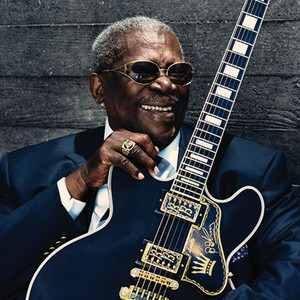 Ultimate Blues Playlist Marcus | 10.62K |
Audience| City | Monthly Listeners | |
|---|---|---|
1 |  | 382 |
2 | | 165 |
3 |  | 150 |
4 | | 147 |
5 |  | 134 |
See full performance history, audience data, playlist activity, rankings, comparisons, and more in Viberate music analytics. Start with a free trial, then continue with a paid plan.
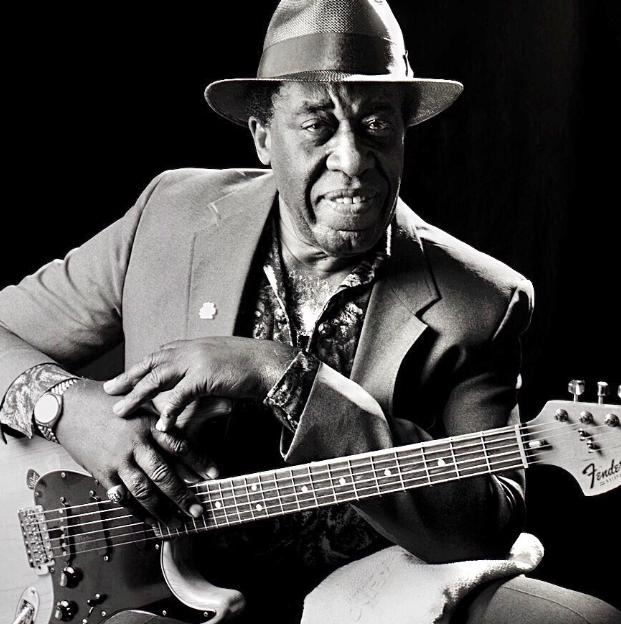
Lacy Gibson’s Spotify BioGuitarist Lacy Gibson was an underappreciated figure on the Windy City circuit for decades. Born in 1936, Lacy and his family left North Carolina for Chicago in 1949. It didn't take long for Gibson to grow entranced by the local action -- he learned from veterans Sunnyland Slim and Muddy Waters and picked up pointers from immaculate axemen Lefty Bates, Matt "Guitar" Murphy, and Wayne Bennett. Gibson made a name for himself as a session player in 1963, assuming rhythm guitar duties on sides by Willie Mabon for USA, Billy "The Kid" Emerson for M-Pac!, and Buddy Guy on Chess. Gibson made his vocal debut on the self-penned blues ballad "My Love Is Real" at Chess during the same year, though it wasn't released at the time (when it belatedly emerged, it was mistakenly attributed to Guy).
A couple of bargain basement 45s for the remarkably obscure Repeto logo (that's precisely where they were done -- in Lacy Gibson's basement!) preceded Gibson's album debut for then brother-in-law Sun Ra's El… Saturn label. Ralph Bass produced an album by Gibson in 1977, but the results weren't issued at the time (Delmark released it as Crying for My Baby in 1996).
A stint as Son Seals' rhythm axeman (he's on Seals' Live and Burning LP) provided an entrée to Alligator Records, which included four fine sides by Gibson on its second batch of Living Chicago Blues anthologies in 1980. Best of all was a Dick Shurman-produced album for the Dutch Black Magic logo in 1982, Switchy Titchy, which brilliantly spotlighted Gibson's clean fretwork and hearty vocals. Health issues plagued him after that, although he resurfaced briefly in the mid-'90s. Lacy Gibson died of a heart attack in April of 2011; he was 74 years old. ~ Bill Dahl, Rovi
Viberate is a music analytics platform built for A&Rs, artist managers, labels, booking agents, marketers, and artists.
It helps music professionals track artist growth, analyze audience data, monitor playlist activity, compare artists, follow song performance, and identify opportunities across the music market.
Public artist pages provide a free preview of selected artist data. Paid plans provide access to deeper analytics, historical data, charts, comparisons, playlist tools, exports, alerts, reports, and additional professional features.
Yes. Public Viberate artist pages provide selected artist analytics and music data for free.
Viberate also offers a 7-day free trial of the full platform. A credit card is required to start the trial. The trial includes access to the complete product so users can test deeper artist analytics, historical views, playlist insights, comparisons, charts, exports, alerts, and reporting features before choosing a paid plan.
Viberate provides artist analytics across streaming, playlists, social media, video, radio airplay, songs, and audience markets.
Users can analyze Spotify performance, Spotify and Apple Music playlists, YouTube activity, TikTok and Instagram growth, radio spins, song performance, audience locations, demographics, rankings, and overall artist momentum.
Artist profiles also connect to music charts, similar artists, and comparison tools, helping users benchmark performance and evaluate artists in context.
Viberate updates key artist and track data daily.
For followed artists and tracks, selected data is refreshed multiple times per day. This helps teams monitor playlist changes, streaming movement, audience growth, releases, and campaign performance with more current data.
Update frequency can vary depending on the metric and data source.
Yes. Viberate lets users compare up to five artists side by side across streaming, social media, audience, and engagement metrics.
Users can compare fanbase growth, audience demographics, locations, Spotify performance, social metrics, and other artist data over selected time periods.
Artist comparison can be used for A&R scouting, benchmarking, booking decisions, campaign planning, and evaluating artists with similar audiences or market positions.