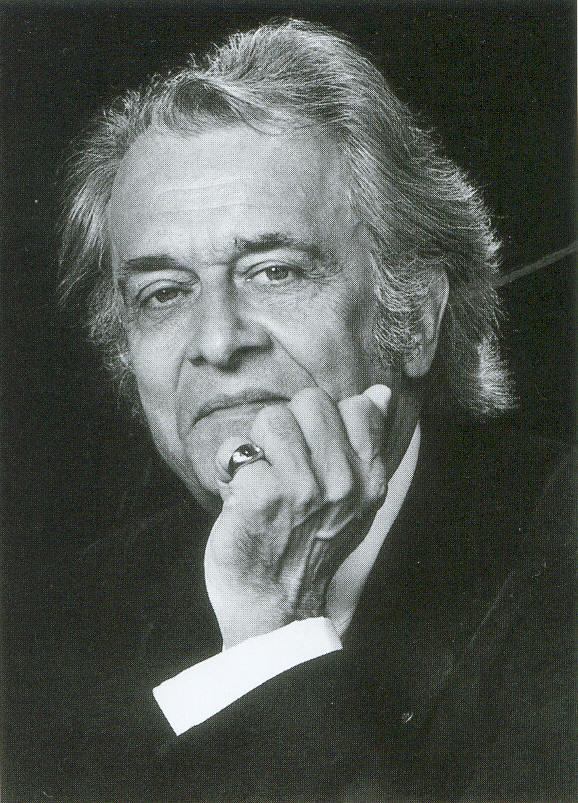
Kurt Redel

Classical
Chamber Music
 Viberate Rank: 106872
 Viberate Rank: 106872
 Monthly ListenersFollowers
 Subscribers
 Followers
 Followers
 FansTop Spotify Songs
| Track | 7-Day Streams | |
|---|---|---|
1 | 10.11K | |
2 | 9.08K | |
3 | 2.90K | |
4 | 2.61K | |
5 | 1.84K |
Top YouTube VideosMonthly ListenersFeatured in Playlists| Playlist | Followers | |
|---|---|---|
1 | Baroque For Thinking & Study redzeno52 | 41.78K |
2 | MUSICA BARROCA para concentrarse Eva Represa | 23.46K |
3 |  rory gilmore mode ☕️ (no lyrics) alelele⋆˚꩜。 | 22.59K |
4 |  Fun & happy classical music Luis Fernando Rojas Torres | 16.39K |
5 | Top 100 klassieke muziek DennisBoots | 16.08K |
Audience| City | Monthly Listeners | |
|---|---|---|
1 |  | 3.11K |
2 | | 763 |
3 |  | 737 |
4 | | 558 |
5 |  | 465 |
See full performance history, audience data, playlist activity, rankings, comparisons, and more in Viberate music analytics. Start with a free trial, then continue with a paid plan.
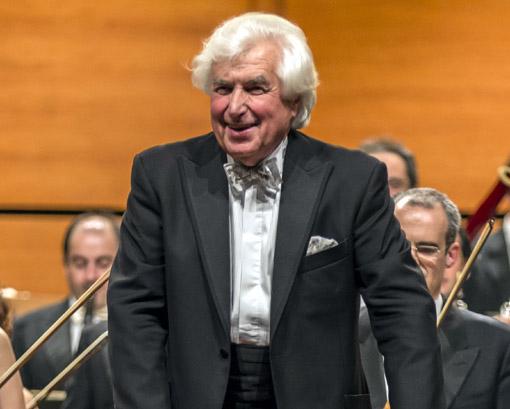
Kurt Redel’s Spotify BioKurt Redel was one of those seemingly ubiquitous figures in the world of music, appearing on numerous recordings in varied repertory, mostly on smaller or obscure labels. Many of his CDs have theme-oriented titles (Piano by Starlight, Classics for Lovers, etc.), and a large number feature him in just a few selections, sharing honors with other, often lesser-known conductors. Yet, Redel consistently achieved acclaim throughout his career -- and made recordings where he was the featured conductor. Redel started out as a flutist in symphony orchestras, but in 1953, the year he founded the Munich Pro Arte Orchestra, he shifted his focus to conducting. Thereafter he forged a highly successful career as a conductor and has appeared on hundreds of recordings.
Redel was born in Breslau, Germany (now Wroclaw, Poland), on October 8, 1918. A multi-talented youth, he studied flute, piano, and violin, as well as conducting and composition at the Breslau Conservatory. He won several flute… competitions in the late 1930s, including at Vienna and Geneva, and in 1939 was given membership in the Salzburg Mozarteum Orchestra and awarded a professorship at the Salzburg Mozarteum. In 1941 Redel relocated to Munich, the city that served as the center of his career for more than a half century. There he performed at the Bavarian State Opera until the end of the war.
After a stint teaching at the Northwest German Music Academy in Detmold (1946-1953), Redel founded the Munich Pro Arte Orchestra. He began touring widely with the ensemble and soon turned out his first recording. That effort was awarded a Grande Prix du disque from the prestigious Academie Charles Cros, the first of several Redel received during his career.
Redel was eclectic throughout his career: he took part in the avant-garde movement in Europe, appearing in Darmstadt at classes in the 1950s and '60s with Boulez, Stockhausen, and company; yet he also regularly led performances of works from the Baroque, Classical, and later periods. Some credit Redel with being instrumental in the rediscovery of Pachelbel's Canon. Throughout his conducting career he has performed regularly as guest conductor of many major European orchestras and has appeared at some of the most important festivals. He founded the Lourdes Festival and served as its director for 20 years. He was mostly inactive in the new century.
Viberate is a music analytics platform built for A&Rs, artist managers, labels, booking agents, marketers, and artists.
It helps music professionals track artist growth, analyze audience data, monitor playlist activity, compare artists, follow song performance, and identify opportunities across the music market.
Public artist pages provide a free preview of selected artist data. Paid plans provide access to deeper analytics, historical data, charts, comparisons, playlist tools, exports, alerts, reports, and additional professional features.
Yes. Public Viberate artist pages provide selected artist analytics and music data for free.
Viberate also offers a 7-day free trial of the full platform. A credit card is required to start the trial. The trial includes access to the complete product so users can test deeper artist analytics, historical views, playlist insights, comparisons, charts, exports, alerts, and reporting features before choosing a paid plan.
Viberate provides artist analytics across streaming, playlists, social media, video, radio airplay, songs, and audience markets.
Users can analyze Spotify performance, Spotify and Apple Music playlists, YouTube activity, TikTok and Instagram growth, radio spins, song performance, audience locations, demographics, rankings, and overall artist momentum.
Artist profiles also connect to music charts, similar artists, and comparison tools, helping users benchmark performance and evaluate artists in context.
Viberate updates key artist and track data daily.
For followed artists and tracks, selected data is refreshed multiple times per day. This helps teams monitor playlist changes, streaming movement, audience growth, releases, and campaign performance with more current data.
Update frequency can vary depending on the metric and data source.
Yes. Viberate lets users compare up to five artists side by side across streaming, social media, audience, and engagement metrics.
Users can compare fanbase growth, audience demographics, locations, Spotify performance, social metrics, and other artist data over selected time periods.
Artist comparison can be used for A&R scouting, benchmarking, booking decisions, campaign planning, and evaluating artists with similar audiences or market positions.