Kris Kross

Hip Hop
Contemporary Hip Hop
Alternative Hip Hop
 Viberate Rank: 20447
 Viberate Rank: 20447
 Monthly ListenersFollowers
 Subscribers
 Followers
 Followers
 FansTop Spotify Songs
| Track | 7-Day Streams | |
|---|---|---|
1 | 542.39K | |
2 | 21.15K | |
3 | 14.74K | |
4 | 11.99K | |
5 | 10.21K |
Top YouTube Videos| Video | 7-Day Views | |
|---|---|---|
1 | 189.96K | |
2 | 44.15K | |
3 | 27.05K | |
4 | 10.98K | |
5 | 7.45K |
Monthly ListenersFeatured in Playlists| Playlist | Followers | |
|---|---|---|
1 |  I Love My '90s Hip-Hop Spotify | 9.39M |
2 |  90s HITS | TOP 100 SONGS Filtr US | 2.58M |
3 |  90s Party Spotify | 1.51M |
4 |  Old School Hip Hop Filtr Sweden | 779.30K |
5 |  90's Workout Spotify | 644.98K |
Audience| City | Monthly Listeners | |
|---|---|---|
1 |  | 21.46K |
2 |  | 20.98K |
3 | | 19.66K |
4 | | 19.12K |
5 |  | 13.55K |
See full performance history, audience data, playlist activity, rankings, comparisons, and more in Viberate music analytics. Start with a free trial, then continue with a paid plan.
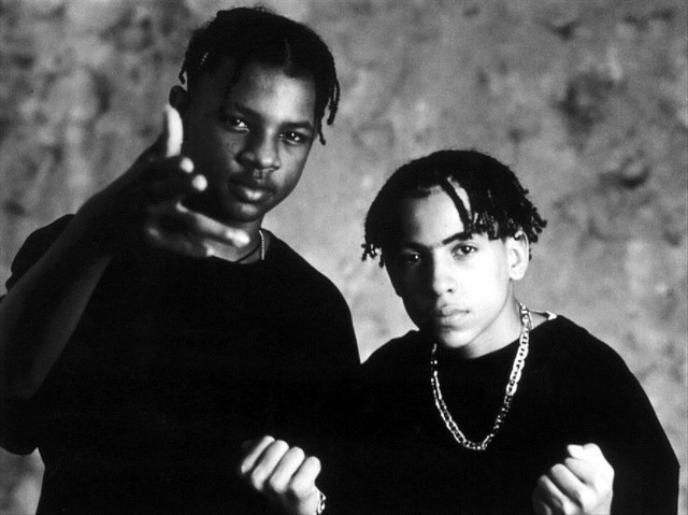
Kris Kross’ Spotify BioThirteen-year-old rappers Chris "Daddy Mack" Smith and Chris "Mack Daddy" Kelly became the pop sensations of 1992 as Kris Kross. The two were discovered at an Atlanta mall in 1991 by then-19-year-old producer Jermaine Dupri. Thanks in part to savvy marketing, "Jump," which sampled the Jackson 5's "I Want You Back," became the fastest-selling single in 15 years, staying at number one for eight weeks on the Billboard charts and pushing the sales of their debut album, Totally Krossed Out, past four million. Another gold single followed in "Warm It Up," and Kris Kross toured Europe with Michael Jackson and appeared on innumerable teen-oriented TV shows.
The follow up albums Da Bomb and Young Rich & Dangerous, both reached platinum status.
The duo recorded over 20 unreleased songs after the third album release.
Smith wrote and produced "Best Friends Forever", where he mourns the loss of his childhood friend. On the recording Smith raps, sings and plays all keyboards, bass and guitar parts.… non-primary source needed][not in citation given] The song is an interpolation of "That's What Friends Are For", originally written by Burt Bacharach and Carole Bayer Sager, and first recorded in 1982 by Rod Stewart for the soundtrack of the film Night Shift. The song was released via his website urbanemuse.com
Viberate is a music analytics platform built for A&Rs, artist managers, labels, booking agents, marketers, and artists.
It helps music professionals track artist growth, analyze audience data, monitor playlist activity, compare artists, follow song performance, and identify opportunities across the music market.
Public artist pages provide a free preview of selected artist data. Paid plans provide access to deeper analytics, historical data, charts, comparisons, playlist tools, exports, alerts, reports, and additional professional features.
Yes. Public Viberate artist pages provide selected artist analytics and music data for free.
Viberate also offers a 7-day free trial of the full platform. A credit card is required to start the trial. The trial includes access to the complete product so users can test deeper artist analytics, historical views, playlist insights, comparisons, charts, exports, alerts, and reporting features before choosing a paid plan.
Viberate provides artist analytics across streaming, playlists, social media, video, radio airplay, songs, and audience markets.
Users can analyze Spotify performance, Spotify and Apple Music playlists, YouTube activity, TikTok and Instagram growth, radio spins, song performance, audience locations, demographics, rankings, and overall artist momentum.
Artist profiles also connect to music charts, similar artists, and comparison tools, helping users benchmark performance and evaluate artists in context.
Viberate updates key artist and track data daily.
For followed artists and tracks, selected data is refreshed multiple times per day. This helps teams monitor playlist changes, streaming movement, audience growth, releases, and campaign performance with more current data.
Update frequency can vary depending on the metric and data source.
Yes. Viberate lets users compare up to five artists side by side across streaming, social media, audience, and engagement metrics.
Users can compare fanbase growth, audience demographics, locations, Spotify performance, social metrics, and other artist data over selected time periods.
Artist comparison can be used for A&R scouting, benchmarking, booking decisions, campaign planning, and evaluating artists with similar audiences or market positions.