FORQ

Jazz
Jazz Fusion
 Viberate Rank: 201461
 Viberate Rank: 201461
 Monthly ListenersFollowers
 Subscribers
 Followers
 Followers
 FansTop Spotify Songs
| Track | 7-Day Streams | |
|---|---|---|
1 | 612 | |
2 | 610 | |
3 | 537 | |
4 | 372 | |
5 | 222 |
Top YouTube VideosMonthly ListenersFeatured in Playlists| Playlist | Followers | |
|---|---|---|
1 |  Jazztronica Spotify | 579.96K |
2 |  Fusion Fest Spotify | 220.08K |
3 |  Prog Jazz Spotify | 63.33K |
4 |  Pocket Spotify | 36.84K |
5 | Burning Jazz-rock Fusion fusionprogguy | 8.92K |
Audience| City | Monthly Listeners | |
|---|---|---|
1 | | 116 |
2 | | 96 |
3 |  | 83 |
4 | | 79 |
5 |  | 68 |
See full performance history, audience data, playlist activity, rankings, comparisons, and more in Viberate music analytics. Start with a free trial, then continue with a paid plan.
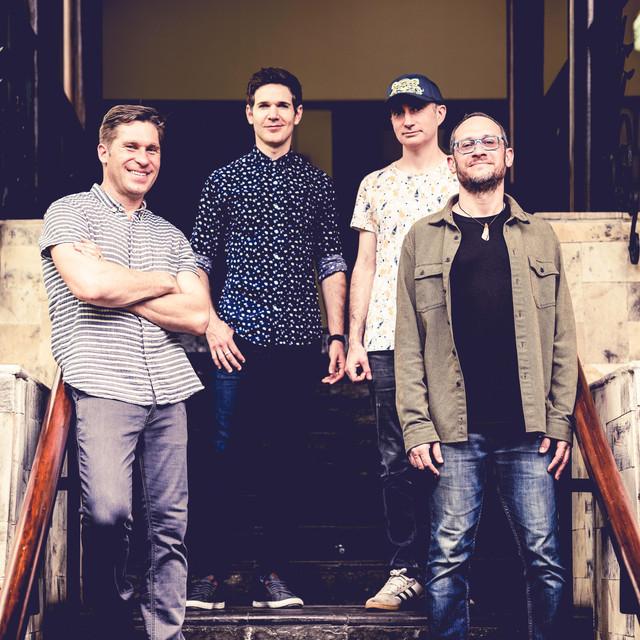
FORQ’s Spotify BioChris McQueen - Guitar
Henry Hey - Keyboard
kevin scott - Bass
Jason JT Thomas - Drums
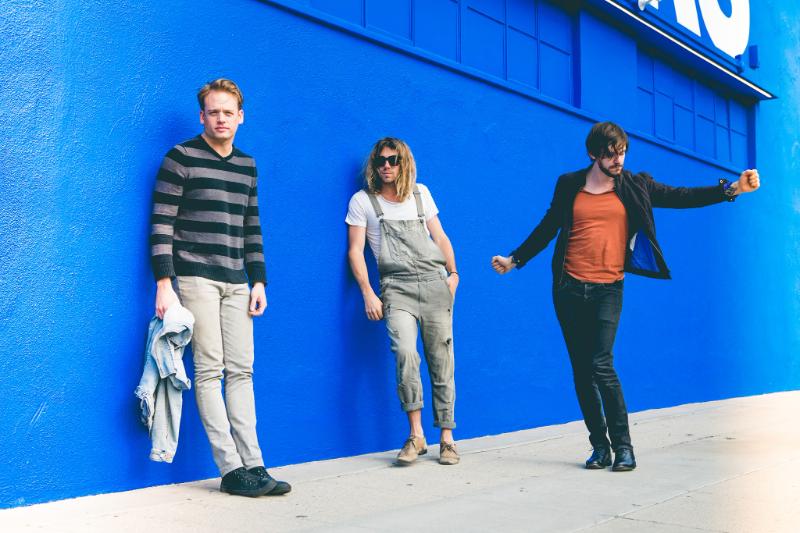
Forq is an instrumental quartet with a dynamic sound and a penchant for sonic exploration. The group is composed of world-class improvisers, but it is their unusually memorable, genre-blending songs that leave the most lasting impression. Seven of these songs make up their third album Thrēq (pronounced “threek”), which was released in late 2017. Originally founded by keyboardist Henry Hey (David Bowie, Empire of the Sun, George Michael, Jeff "Tain" Watts) and bassist Michael League (Grammy-winning leader of Snarky Puppy), Forq is now joined by guitarist Chris McQueen (Snarky Puppy, Bokanté), drummer Jason "JT" Thomas (Roy Hargrove’s RH Factor, Marcus Miller, Snarky Puppy) and bassist Kevin Scott (Wayne Krantz, Jimmy Herring, Col. Bruce Hampton). They have toured across the US and Europe and performed at international festivals including the North Sea Jazz festival, Jazz A Vienne, Udine Jazz Festival,… Upstream Fest, and GroundUP Festival in Miami Beach.
Viberate is a music analytics platform built for A&Rs, artist managers, labels, booking agents, marketers, and artists.
It helps music professionals track artist growth, analyze audience data, monitor playlist activity, compare artists, follow song performance, and identify opportunities across the music market.
Public artist pages provide a free preview of selected artist data. Paid plans provide access to deeper analytics, historical data, charts, comparisons, playlist tools, exports, alerts, reports, and additional professional features.
Yes. Public Viberate artist pages provide selected artist analytics and music data for free.
Viberate also offers a 7-day free trial of the full platform. A credit card is required to start the trial. The trial includes access to the complete product so users can test deeper artist analytics, historical views, playlist insights, comparisons, charts, exports, alerts, and reporting features before choosing a paid plan.
Viberate provides artist analytics across streaming, playlists, social media, video, radio airplay, songs, and audience markets.
Users can analyze Spotify performance, Spotify and Apple Music playlists, YouTube activity, TikTok and Instagram growth, radio spins, song performance, audience locations, demographics, rankings, and overall artist momentum.
Artist profiles also connect to music charts, similar artists, and comparison tools, helping users benchmark performance and evaluate artists in context.
Viberate updates key artist and track data daily.
For followed artists and tracks, selected data is refreshed multiple times per day. This helps teams monitor playlist changes, streaming movement, audience growth, releases, and campaign performance with more current data.
Update frequency can vary depending on the metric and data source.
Yes. Viberate lets users compare up to five artists side by side across streaming, social media, audience, and engagement metrics.
Users can compare fanbase growth, audience demographics, locations, Spotify performance, social metrics, and other artist data over selected time periods.
Artist comparison can be used for A&R scouting, benchmarking, booking decisions, campaign planning, and evaluating artists with similar audiences or market positions.