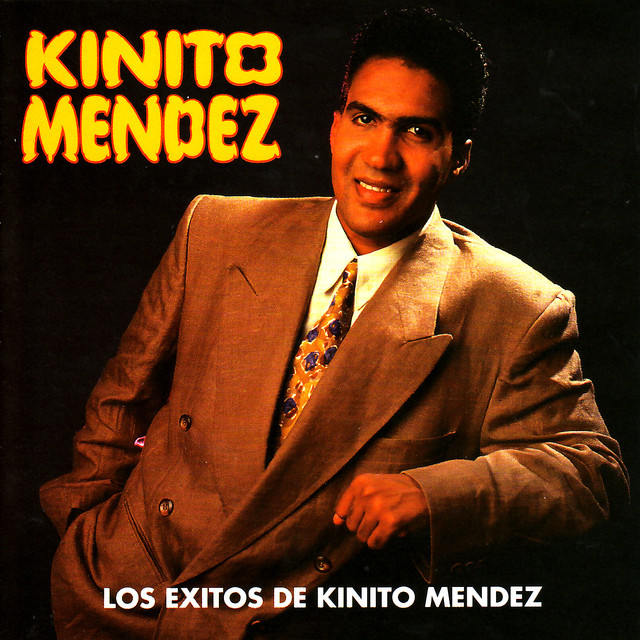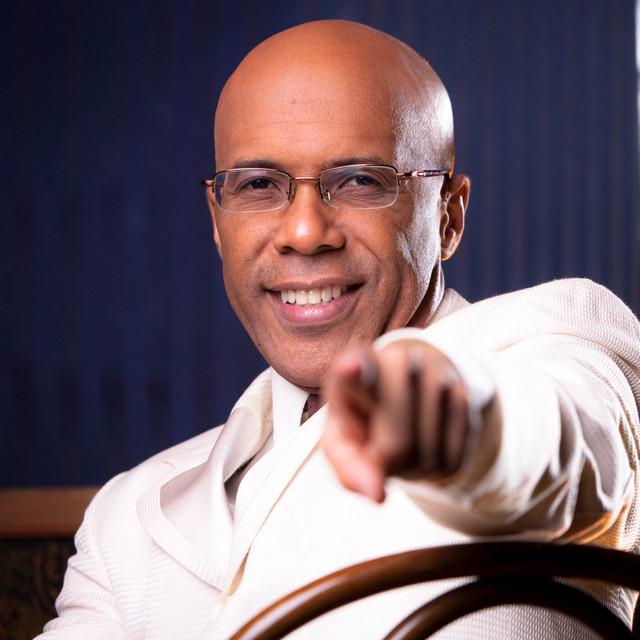
Kinito Mendez

Latin
Merengue
 Viberate Rank: 26622
 Viberate Rank: 26622
 Monthly ListenersFollowers
 Subscribers
 Followers
 Followers
 FansTop Spotify Songs
| Track | 7-Day Streams | |
|---|---|---|
1 | 137.75K | |
2 | 105.45K | |
3 | 36.14K | |
4 | 16.42K | |
5 | 13.86K |
Top YouTube VideosMonthly ListenersFeatured in Playlists| Playlist | Followers | |
|---|---|---|
1 |  Merengue Mania Spotify | 395.85K |
2 |  Merengue Clásico Spotify | 385.72K |
3 |  Salsas chingonas LEO TORRES | 324.87K |
4 | MERENGUES BAILABLES Música Tropical Para Bailar | 173.38K |
5 | Merengues bailables del recuerdo Ines_Lazarte | 149.80K |
Audience| City | Monthly Listeners | |
|---|---|---|
1 |  | 69.98K |
2 |  | 31.64K |
3 |  | 25.96K |
4 |  | 19.99K |
5 | | 16.89K |
See full performance history, audience data, playlist activity, rankings, comparisons, and more in Viberate music analytics. Start with a free trial, then continue with a paid plan.
Kinito Mendez’s Spotify BioDominican merengue star Kinito Méndez (born José del Carmen Ramírez) got involved in popular music at the age of nine while participating in a band called Pequeños del Ritmo. In 1988, he formed a tropical act called Cocoband along with Alfonso "Pochi" Vásquez. After that, he formed the group Rikarena, his second project. In the early '90s, the singer/songwriter, producer, and arranger joined Rockabanda, deciding to start his solo career in 1995, recording El Hombre Merengue, getting his song "Cachamba" topping the most important Latin charts. In 1997, Kinito Méndez made El Decreto, working on Barrio Boyzz' Ven A Mi that same year. In 1998, the popular performer, also known as El Hombre del Merengue, decided to pay tribute to his mentor Johnny Ventura, recording A Caballo, followed by 1999's Su Amigo. 2000's D'Colores featured "Nueva York Pasando Lista," which was inspired by the social reality of Latin Americans living in New York. ~ Drago Bonacich, Rovi
Viberate is a music analytics platform built for A&Rs, artist managers, labels, booking agents, marketers, and artists.
It helps music professionals track artist growth, analyze audience data, monitor playlist activity, compare artists, follow song performance, and identify opportunities across the music market.
Public artist pages provide a free preview of selected artist data. Paid plans provide access to deeper analytics, historical data, charts, comparisons, playlist tools, exports, alerts, reports, and additional professional features.
Yes. Public Viberate artist pages provide selected artist analytics and music data for free.
Viberate also offers a 7-day free trial of the full platform. A credit card is required to start the trial. The trial includes access to the complete product so users can test deeper artist analytics, historical views, playlist insights, comparisons, charts, exports, alerts, and reporting features before choosing a paid plan.
Viberate provides artist analytics across streaming, playlists, social media, video, radio airplay, songs, and audience markets.
Users can analyze Spotify performance, Spotify and Apple Music playlists, YouTube activity, TikTok and Instagram growth, radio spins, song performance, audience locations, demographics, rankings, and overall artist momentum.
Artist profiles also connect to music charts, similar artists, and comparison tools, helping users benchmark performance and evaluate artists in context.
Viberate updates key artist and track data daily.
For followed artists and tracks, selected data is refreshed multiple times per day. This helps teams monitor playlist changes, streaming movement, audience growth, releases, and campaign performance with more current data.
Update frequency can vary depending on the metric and data source.
Yes. Viberate lets users compare up to five artists side by side across streaming, social media, audience, and engagement metrics.
Users can compare fanbase growth, audience demographics, locations, Spotify performance, social metrics, and other artist data over selected time periods.
Artist comparison can be used for A&R scouting, benchmarking, booking decisions, campaign planning, and evaluating artists with similar audiences or market positions.