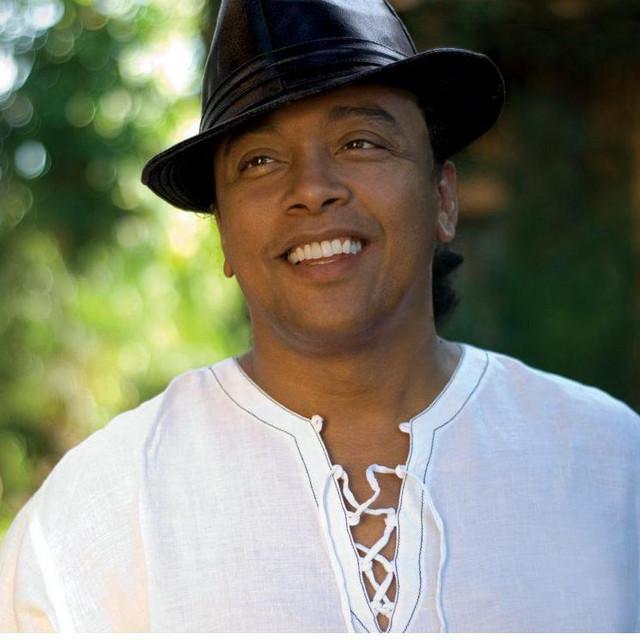
Ramón Orlando

Latin
Merengue
Bachata
 Viberate Rank: 13424
 Viberate Rank: 13424
 Monthly ListenersFollowers
 Subscribers
 Followers
 Followers
 FansTop Spotify Songs
| Track | 7-Day Streams | |
|---|---|---|
1 | 469.98K | |
2 | 289.37K | |
3 | 77.39K | |
4 | 45.37K | |
5 | 24.34K |
Top YouTube Videos| Video | 7-Day Views | |
|---|---|---|
1 | 241.32K | |
2 | 43.28K | |
3 | 8.97K | |
4 | 7.75K | |
5 | 5.24K |
Monthly ListenersFeatured in Playlists| Playlist | Followers | |
|---|---|---|
1 | MERENGUES ANTIGUOS ❤️ MERENGUES VIEJOS Clave Playlists | 430.81K |
2 |  Merengue Clásico Spotify | 385.72K |
3 |  Salsas chingonas LEO TORRES | 324.88K |
4 |  Romeo Santos Éxitos - Romeo Santos Grandes Éxitos - Bachatas Romeo Santos 🍥 | 153.41K |
5 | Merengues bailables del recuerdo Ines_Lazarte | 149.81K |
Audience| City | Monthly Listeners | |
|---|---|---|
1 |  | 238.82K |
2 |  | 91.90K |
3 |  | 68.94K |
4 | | 59.88K |
5 | | 56.49K |
See full performance history, audience data, playlist activity, rankings, comparisons, and more in Viberate music analytics. Start with a free trial, then continue with a paid plan.
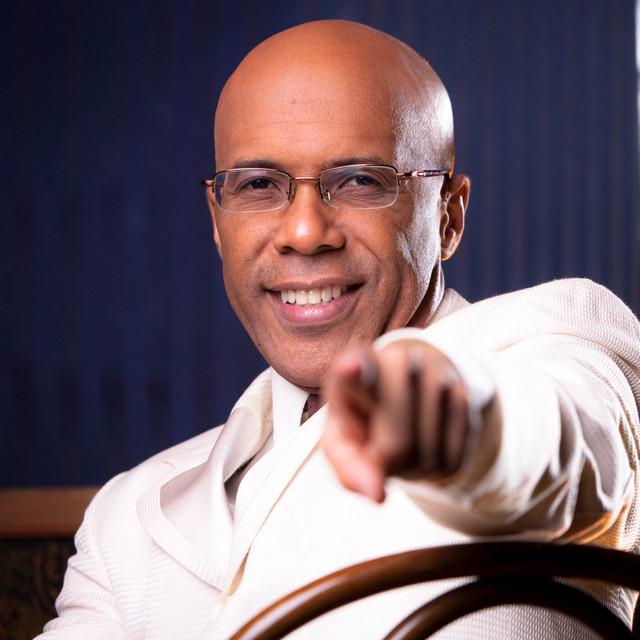
Ramón Orlando’s Spotify BioRamón Orlando (born Ramón Orlando Valoy) was the son of the famed merengue bandleader Cuco Valoy and grew up playing keyboards in his father's bands. His role within that legendary band helped get him jobs with a number of other groups in Santo Domingo, leading to his incredibly prolific recording career (more than 50 albums with various groups, more than a dozen with his own combos). His merengue orchestra, Ramon Orlando y la Orquesta Internacíonal, achieved success that mirrored Orlando's father's and issued a number of albums in the Dominican Republic and throughout the Spanish-speaking world. In early 2000, their greatest hits album was reissued by Platano Records, collecting the songs that had brought them fame and fortune. ~ Stacia Proefrock, Rovi
Viberate is a music analytics platform built for A&Rs, artist managers, labels, booking agents, marketers, and artists.
It helps music professionals track artist growth, analyze audience data, monitor playlist activity, compare artists, follow song performance, and identify opportunities across the music market.
Public artist pages provide a free preview of selected artist data. Paid plans provide access to deeper analytics, historical data, charts, comparisons, playlist tools, exports, alerts, reports, and additional professional features.
Yes. Public Viberate artist pages provide selected artist analytics and music data for free.
Viberate also offers a 7-day free trial of the full platform. A credit card is required to start the trial. The trial includes access to the complete product so users can test deeper artist analytics, historical views, playlist insights, comparisons, charts, exports, alerts, and reporting features before choosing a paid plan.
Viberate provides artist analytics across streaming, playlists, social media, video, radio airplay, songs, and audience markets.
Users can analyze Spotify performance, Spotify and Apple Music playlists, YouTube activity, TikTok and Instagram growth, radio spins, song performance, audience locations, demographics, rankings, and overall artist momentum.
Artist profiles also connect to music charts, similar artists, and comparison tools, helping users benchmark performance and evaluate artists in context.
Viberate updates key artist and track data daily.
For followed artists and tracks, selected data is refreshed multiple times per day. This helps teams monitor playlist changes, streaming movement, audience growth, releases, and campaign performance with more current data.
Update frequency can vary depending on the metric and data source.
Yes. Viberate lets users compare up to five artists side by side across streaming, social media, audience, and engagement metrics.
Users can compare fanbase growth, audience demographics, locations, Spotify performance, social metrics, and other artist data over selected time periods.
Artist comparison can be used for A&R scouting, benchmarking, booking decisions, campaign planning, and evaluating artists with similar audiences or market positions.