King's X

Rock
Hard Rock
Funk Rock
 Viberate Rank: 63065
 Viberate Rank: 63065
 Monthly ListenersFollowers
 Subscribers
 Followers
 Followers
 FansTop Spotify Songs
| Track | 7-Day Streams | |
|---|---|---|
1 | 6.20K | |
2 | 4.59K | |
3 | 4.04K | |
4 | 3.88K | |
5 | 3.24K |
Top YouTube VideosMonthly ListenersFeatured in Playlists| Playlist | Followers | |
|---|---|---|
1 |  Funk Rock Spotify | 472.14K |
2 |  Cranked Up Spotify | 187.71K |
3 | GRUNGE zerubi | 80.90K |
4 |  Progressive Metal Century Media Records | 19.05K |
5 | The Top 500 Heavy Metal Songs Of All Time Christian Wallenberg | 15.33K |
Audience| City | Monthly Listeners | |
|---|---|---|
1 | | 880 |
2 | | 698 |
3 | | 638 |
4 | | 628 |
5 | | 544 |
See full performance history, audience data, playlist activity, rankings, comparisons, and more in Viberate music analytics. Start with a free trial, then continue with a paid plan.
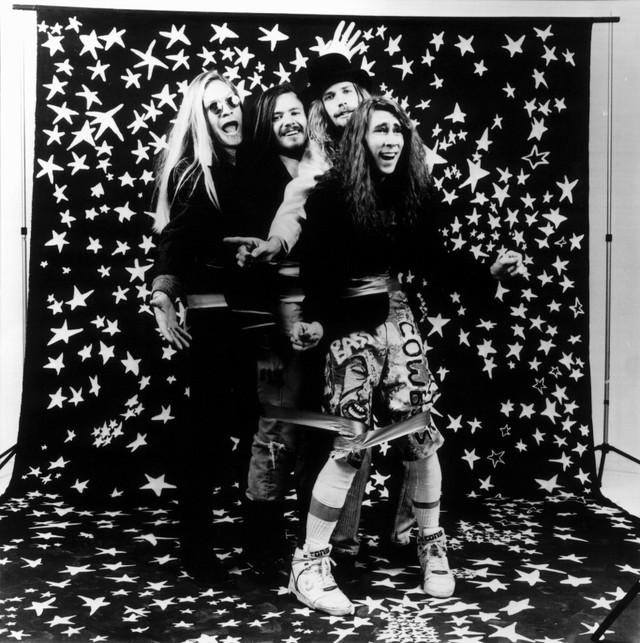
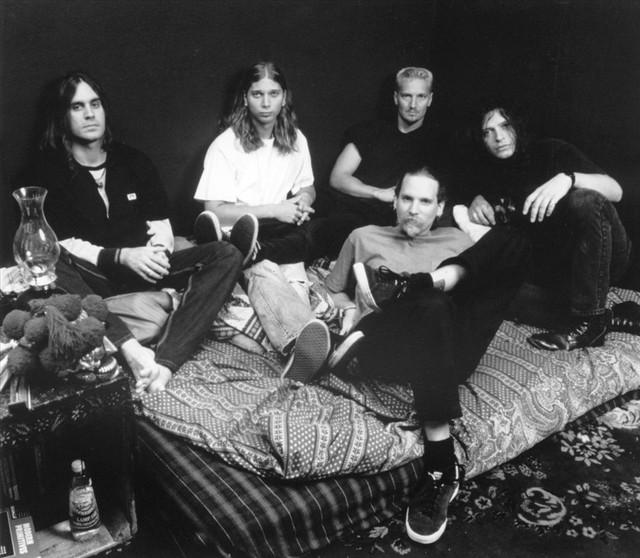
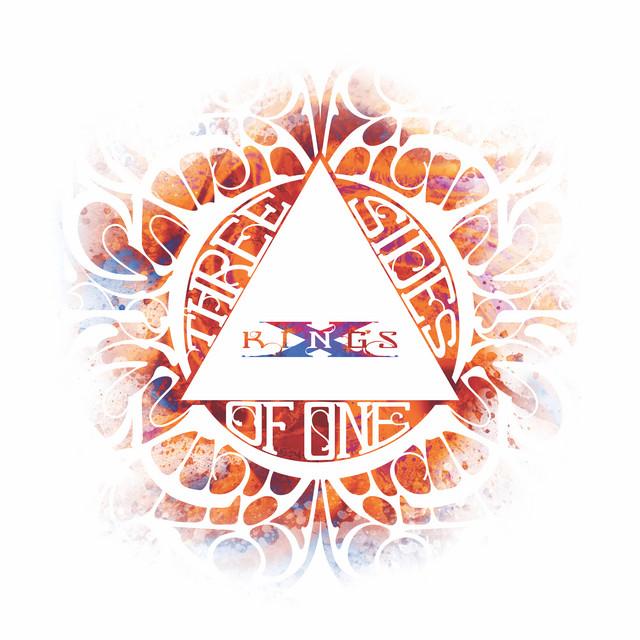
King's X’s Spotify BioKing's X is a widely respected hard rock group with an expansive sound rooted in heavy metal, funk, soul, gospel, and the British Invasion. Emerging in 1985 and comprised of bassist/vocalist Doug Pinnick, guitarist Ty Tabor, and drummer Jerry Gaskill, the band's knotty blend of Beatlesque harmonies, metallic riffing, thought-provoking lyrics, and art-rock detours helped set the table for the progressive and alternative metal scenes that followed. The group flirted with mainstream success in the late '80s and early '90s on genre-defining efforts like Gretchen Goes to Nebraska and Dogman. In 2022, after a 14-year gap between studio albums, King's X released their 13th long-player, Three Sides of One.
Pinnick first met Gaskill when the duo was touring with the Christian rock outfit Petra, and soon after, met up-and-coming guitarist Tabor. The trio joined forces in 1980 with the Top 40 cover band the Edge and played the Missouri bar scene. By 1983, the band had changed its name to Sneak… Preview and was now completely focusing on original compositions -- resulting in an obscure and very hard to find self-titled debut album released around this time.
Sneak Preview were offered a recording contract in 1985 if they relocated to Houston, TX, which they did, but the deal failed to materialize. Undeterred, the trio continued on and perfected its sound and songwriting further, catching a break when ZZ Top video producer Sam Taylor took the group under his wing, helping it secure a recording contract with New York's Megaforce label in 1987, and suggesting that the band change its name to King's X (the name of a local outfit that Taylor was an admirer of back in his high-school days).
In 1988, King's X released their debut album, Out of the Silent Planet. Despite praise among critics, the public didn't know exactly what to make of the group's original and multiple genre-encompassing style. But with the band's sophomore release, 1989's classic Gretchen Goes to Nebraska, a buzz began to develop around King's X in the heavy metal community, as members of Anthrax and Living Colour praised them in the press, and MTV granted a few airings of their anthemic track "Over My Head." The stage was set for the group's big breakthrough, and things appeared to be going according to plan when the band's third release, Faith Hope Love, surfaced in late 1990.
The album just missed the U.S. Top 30 and nearly reached gold certification, due to landing a lengthy spot opening on AC/DC's sold-out arena tour in both the States and Europe, while the Beatlesque "It's Love" received major air time on MTV. What should have been an exciting time for the group quickly turned sour, however, as the bandmembers began to experience trouble with manager Taylor. King's X's self-titled release from 1992 (and first to appear on Atlantic Records without the Megaforce imprint) proved not to be as focused as their prior efforts, resulting in the album disappearing quickly from sight after release (and their ensuing tour halted), as they ended their relationship with Taylor.
But it appeared as though the change had refueled the group's musical desire once again, as evidenced by the Brendan O'Brien-produced stellar 1994 release, Dogman, which performed respectfully on the charts. This success resulted in the band opening shows for Pearl Jam and a show-stopping performance on the opening night of the mammoth Woodstock '94 Festival. Atlantic Records began putting pressure on the trio to deliver a breakthrough hit but when Ear Candy failed to live up to expectations, King's X left the label (Atlantic would issue one more release from the band a year later, The Best Of, which featured 13 fan favorites, as well as three unreleased compositions and a live track).
In 1998 the group signed to the Metal Blade label and both Pinnick and Tabor issued their first solo albums (Tabor with Moonflower Lane and Pinnick with Massive Grooves, the latter issued under the alias Poundhound), followed by the group's seventh studio release overall, Tape Head. Now free to issue albums at their own pace, the group released two more albums a year apart -- 2000's Please Come Home...Mr. Bulbous and 2001's Manic Moonlight. Pinnick continued his solo career in conjunction with King's X, issuing Poundhound's second release, Pineappleskunk, the same year (as well as forming a side project with former members of Trouble, dubbed Supershine), while Tabor released two albums with the progressive metal supergroup Platypus -- 1998's When Pus Comes to Shove and 2000's Ice Cycles. In 2003, they unveiled Black Like Sunday, a collection of re-recorded songs from early in their career that had previously only existed as demos or bootlegs. Their first concert album, Live All Over the Place, arrived in 2004, followed by their 11th studio recording, Ogre Tones, in 2005. The band's debut outing for Inside Out Music, Ogre Tones reached number 30 on the Billboard Independent Albums chart. 2008's well-received XV cracked the Billboard 200 and peaked at number 12 on the Independent Albums chart. Pinnick, Tabor, and Gaskill spent the next decade focusing on their myriad solo and side projects, but regrouped as King's X for 2022's Three Sides of One, which included the anthemic "Let It Rain" and the hard-driving "Give It Up." ~ Greg Prato & James Christopher Monger
Viberate is a music analytics platform built for A&Rs, artist managers, labels, booking agents, marketers, and artists.
It helps music professionals track artist growth, analyze audience data, monitor playlist activity, compare artists, follow song performance, and identify opportunities across the music market.
Public artist pages provide a free preview of selected artist data. Paid plans provide access to deeper analytics, historical data, charts, comparisons, playlist tools, exports, alerts, reports, and additional professional features.
Yes. Public Viberate artist pages provide selected artist analytics and music data for free.
Viberate also offers a 7-day free trial of the full platform. A credit card is required to start the trial. The trial includes access to the complete product so users can test deeper artist analytics, historical views, playlist insights, comparisons, charts, exports, alerts, and reporting features before choosing a paid plan.
Viberate provides artist analytics across streaming, playlists, social media, video, radio airplay, songs, and audience markets.
Users can analyze Spotify performance, Spotify and Apple Music playlists, YouTube activity, TikTok and Instagram growth, radio spins, song performance, audience locations, demographics, rankings, and overall artist momentum.
Artist profiles also connect to music charts, similar artists, and comparison tools, helping users benchmark performance and evaluate artists in context.
Viberate updates key artist and track data daily.
For followed artists and tracks, selected data is refreshed multiple times per day. This helps teams monitor playlist changes, streaming movement, audience growth, releases, and campaign performance with more current data.
Update frequency can vary depending on the metric and data source.
Yes. Viberate lets users compare up to five artists side by side across streaming, social media, audience, and engagement metrics.
Users can compare fanbase growth, audience demographics, locations, Spotify performance, social metrics, and other artist data over selected time periods.
Artist comparison can be used for A&R scouting, benchmarking, booking decisions, campaign planning, and evaluating artists with similar audiences or market positions.