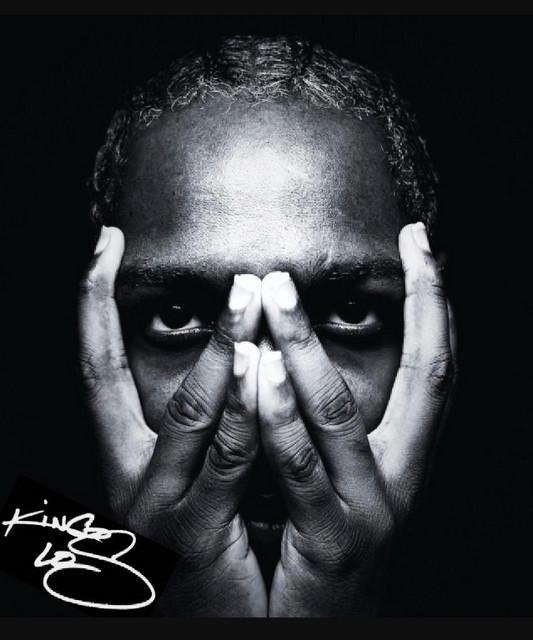
King Los

Hip Hop
Trap
Alternative Hip Hop
 Viberate Rank: 34625
 Viberate Rank: 34625
 Monthly ListenersFollowers
 Subscribers
 Followers
 Followers
 FansTop Spotify Songs
| Track | 7-Day Streams | |
|---|---|---|
1 | 13.21K | |
2 | 6.51K | |
3 | 3.83K | |
4 | 3.31K | |
5 | 2.61K |
Top YouTube VideosMonthly ListenersFeatured in Playlists| Playlist | Followers | |
|---|---|---|
1 |  Training / Workout Motivation Felix | 134.86K |
2 | NEW SH*T || Updated weekly || ORIGINAL RAPCAVIAR Simon Grum | 91.04K |
3 |  Featuring Ty Dolla $ign Ty Dolla $ign | 86.45K |
4 | Ignatious Pop 1 | 54.67K |
5 |  Chill Underground Rap 2026 L S | 52.30K |
Audience| City | Monthly Listeners | |
|---|---|---|
1 | | 1.02K |
2 | | 797 |
3 | | 778 |
4 | | 742 |
5 | | 727 |
See full performance history, audience data, playlist activity, rankings, comparisons, and more in Viberate music analytics. Start with a free trial, then continue with a paid plan.
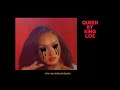
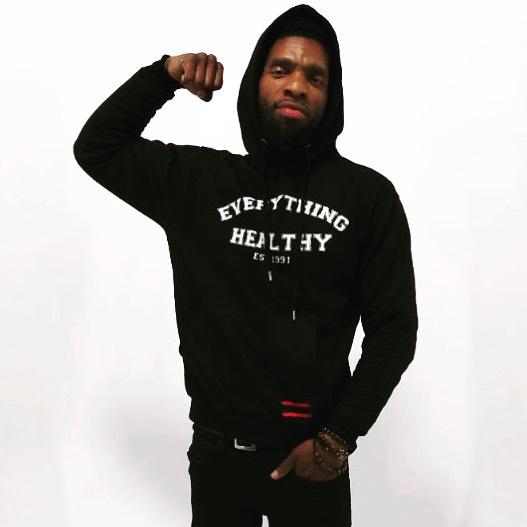
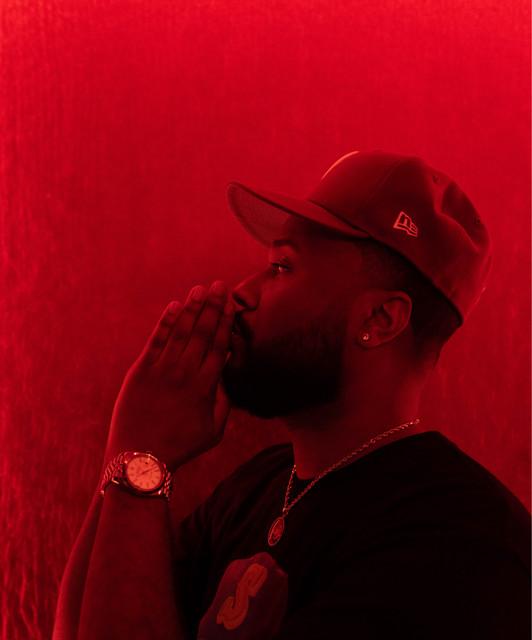
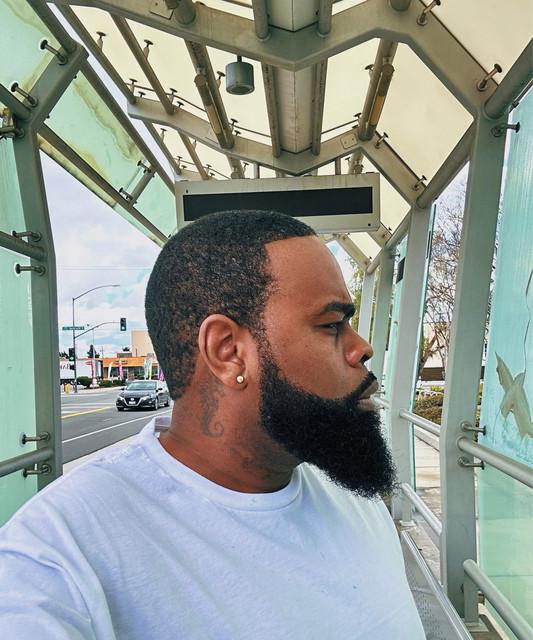
King Los’ Spotify BioRapper Los, aka King Los, had a few brushes with the mainstream -- and put in over a decade of work -- prior to the release of his first proper album. Born Carlos Coleman, the Baltimore, Maryland native gravitated toward writing and rapping as a teenager, following the murder of his father. He auditioned for and was selected to appear on the second season of Diddy's Making the Band, but balked at signing the paperwork. Despite this, he signed with Diddy's Bad Boy label three years later. The deal didn't pan out, and in 2008 Los released the first of many mixtapes and continued to operate in the underground. A few years later, he signed to Bad Boy a second time, issued more mixtapes, and appeared on labelmate French Montana's "Ocho Cinco." An album had yet to materialize when Los left Bad Boy again. The rapper said the reasoning had more to do with parent label Interscope than with Bad Boy proper. A subsequent deal with RCA resulted in God Money War, his debut album, released in June… 2015. Stamped with an executive production credit for Diddy, the album saw the versatile rapper work introspective and confrontational angles with equal ease, and he explored spirituality while evading classification as a Christian rapper. It debuted at number 68 on the Billboard 200 with minimal promotion. ~ Andy Kellman, Rovi
Viberate is a music analytics platform built for A&Rs, artist managers, labels, booking agents, marketers, and artists.
It helps music professionals track artist growth, analyze audience data, monitor playlist activity, compare artists, follow song performance, and identify opportunities across the music market.
Public artist pages provide a free preview of selected artist data. Paid plans provide access to deeper analytics, historical data, charts, comparisons, playlist tools, exports, alerts, reports, and additional professional features.
Yes. Public Viberate artist pages provide selected artist analytics and music data for free.
Viberate also offers a 7-day free trial of the full platform. A credit card is required to start the trial. The trial includes access to the complete product so users can test deeper artist analytics, historical views, playlist insights, comparisons, charts, exports, alerts, and reporting features before choosing a paid plan.
Viberate provides artist analytics across streaming, playlists, social media, video, radio airplay, songs, and audience markets.
Users can analyze Spotify performance, Spotify and Apple Music playlists, YouTube activity, TikTok and Instagram growth, radio spins, song performance, audience locations, demographics, rankings, and overall artist momentum.
Artist profiles also connect to music charts, similar artists, and comparison tools, helping users benchmark performance and evaluate artists in context.
Viberate updates key artist and track data daily.
For followed artists and tracks, selected data is refreshed multiple times per day. This helps teams monitor playlist changes, streaming movement, audience growth, releases, and campaign performance with more current data.
Update frequency can vary depending on the metric and data source.
Yes. Viberate lets users compare up to five artists side by side across streaming, social media, audience, and engagement metrics.
Users can compare fanbase growth, audience demographics, locations, Spotify performance, social metrics, and other artist data over selected time periods.
Artist comparison can be used for A&R scouting, benchmarking, booking decisions, campaign planning, and evaluating artists with similar audiences or market positions.