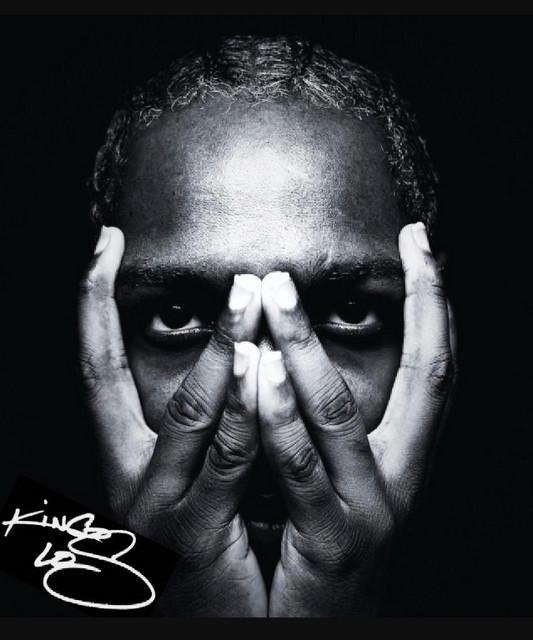
Dizzy Wright

Hip Hop
Contemporary Hip Hop
Alternative Hip Hop
 Viberate Rank: 17981
 Viberate Rank: 17981
 Monthly ListenersFollowers
 Subscribers
 Followers
 Followers
 FansTop Spotify Songs
| Track | 7-Day Streams | |
|---|---|---|
1 | 66.17K | |
2 | 34.04K | |
3 | 33.30K | |
4 | 17.24K | |
5 | 13.83K |
Top YouTube Videos| Video | 7-Day Views | |
|---|---|---|
1 | 5.74K | |
2 | 3.61K | |
3 | 3.47K | |
4 | 3.22K | |
5 | 2.70K |
Monthly ListenersFeatured in Playlists| Playlist | Followers | |
|---|---|---|
1 |  GOLD SCHOOL volume up | 224.40K |
2 | NEW SH*T || Updated weekly || ORIGINAL RAPCAVIAR Simon Grum | 91.04K |
3 |  Welcome (feat. Eminem) IDK X EMINEM X J DILLA New Eminem 2026 Infinite EP Tom Hutchcraft | 72.45K |
4 |  One Playlist @justin.tilley | 72.18K |
5 |  POV: 2000s Rap HomePod | 71.92K |
Audience| City | Monthly Listeners | |
|---|---|---|
1 |  | 6.23K |
2 | | 6.11K |
3 | | 5.61K |
4 | | 5.41K |
5 | | 5.29K |
See full performance history, audience data, playlist activity, rankings, comparisons, and more in Viberate music analytics. Start with a free trial, then continue with a paid plan.
Dizzy Wright’s Spotify BioComing off as a Devin the Dude for the Tech N9ne generation, stoned ranger and weed rapper Dizzy Wright released his debut effort in 2010 on the stoner holiday of 4/20. Born La'Reonte Wright in Flint, Michigan but raised in Las Vegas by a mother in the music business, Dizzy saw the life of a major-label artist firsthand while growing up, an experience that led him later in life to remain entirely indie. After a series of mixtapes filled with his smooth, Bone Thugs-influenced flow, Dizzy made it to the indies in 2012, specifically Hopsin's Funk Volume imprint, which released his debut album, SmokeOut Conversations, on April 20 (4/20). The First Agreement EP followed on the label that same year, then 2013 saw the release of The Golden Age, a street-level mixtape that made the Billboard charts when it was officially released later in the year. In 2015 he dropped the single "I Can Tell You Need It" as a preview to that year's LP The Growing Process. The album featured guest appearances… from Big K.R.I.T., Tech N9ne, and Bone Thugs-N-Harmony. The Wisdom and Good Vibes EP followed in 2016. Later that year, he issued the 702 EP and a collaboration with Demrick titled Blaze with Us. Wright's third full-length, The Golden Age 2, arrived in the summer of 2017, with State of Mind 2 dropping later that year. May 2019 saw the release of the single "Vibes", ahead of the arrival of the Don't Tell Me It Can't Be Done EP, which was issued the following month. Wright issued his next full-length effort, Nobody Cares, Work Harder, in Spring 2019. ~ David Jeffries, Rovi
Viberate is a music analytics platform built for A&Rs, artist managers, labels, booking agents, marketers, and artists.
It helps music professionals track artist growth, analyze audience data, monitor playlist activity, compare artists, follow song performance, and identify opportunities across the music market.
Public artist pages provide a free preview of selected artist data. Paid plans provide access to deeper analytics, historical data, charts, comparisons, playlist tools, exports, alerts, reports, and additional professional features.
Yes. Public Viberate artist pages provide selected artist analytics and music data for free.
Viberate also offers a 7-day free trial of the full platform. A credit card is required to start the trial. The trial includes access to the complete product so users can test deeper artist analytics, historical views, playlist insights, comparisons, charts, exports, alerts, and reporting features before choosing a paid plan.
Viberate provides artist analytics across streaming, playlists, social media, video, radio airplay, songs, and audience markets.
Users can analyze Spotify performance, Spotify and Apple Music playlists, YouTube activity, TikTok and Instagram growth, radio spins, song performance, audience locations, demographics, rankings, and overall artist momentum.
Artist profiles also connect to music charts, similar artists, and comparison tools, helping users benchmark performance and evaluate artists in context.
Viberate updates key artist and track data daily.
For followed artists and tracks, selected data is refreshed multiple times per day. This helps teams monitor playlist changes, streaming movement, audience growth, releases, and campaign performance with more current data.
Update frequency can vary depending on the metric and data source.
Yes. Viberate lets users compare up to five artists side by side across streaming, social media, audience, and engagement metrics.
Users can compare fanbase growth, audience demographics, locations, Spotify performance, social metrics, and other artist data over selected time periods.
Artist comparison can be used for A&R scouting, benchmarking, booking decisions, campaign planning, and evaluating artists with similar audiences or market positions.