King Harvest

Rock
Pop Rock
Rockabilly
 Viberate Rank: 20586
 Viberate Rank: 20586
 Monthly ListenersFollowers
 Subscribers
 Followers
 Followers
 FansTop Spotify Songs
| Track | 7-Day Streams | |
|---|---|---|
1 | 1.34M | |
2 | 7.87K | |
3 | 7.40K | |
4 | 7.37K | |
5 | 4.23K |
Top YouTube VideosMonthly ListenersFeatured in Playlists| Playlist | Followers | |
|---|---|---|
1 |  Cleaning Kit Spotify | 1.07M |
2 |  Summer Throwbacks Spotify | 924.33K |
3 |  70s Party Spotify | 834.27K |
4 |  Happy Days Spotify | 683.59K |
5 |  Feel Good Summer Spotify | 609.21K |
Audience| City | Monthly Listeners | |
|---|---|---|
1 | | 50.53K |
2 | | 41.68K |
3 | | 39.50K |
4 |  | 37.90K |
5 |  | 33.54K |
See full performance history, audience data, playlist activity, rankings, comparisons, and more in Viberate music analytics. Start with a free trial, then continue with a paid plan.
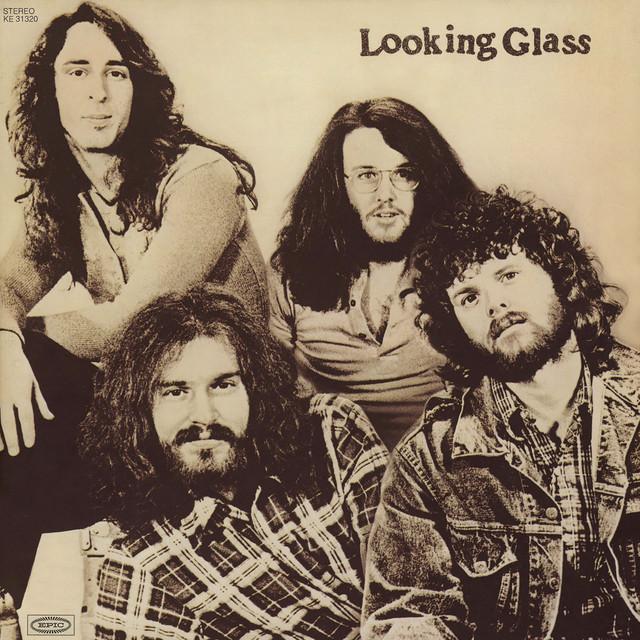
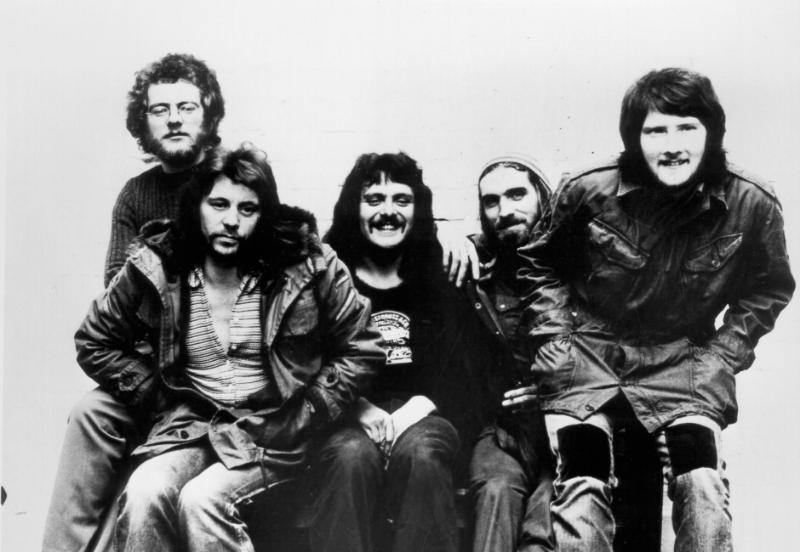
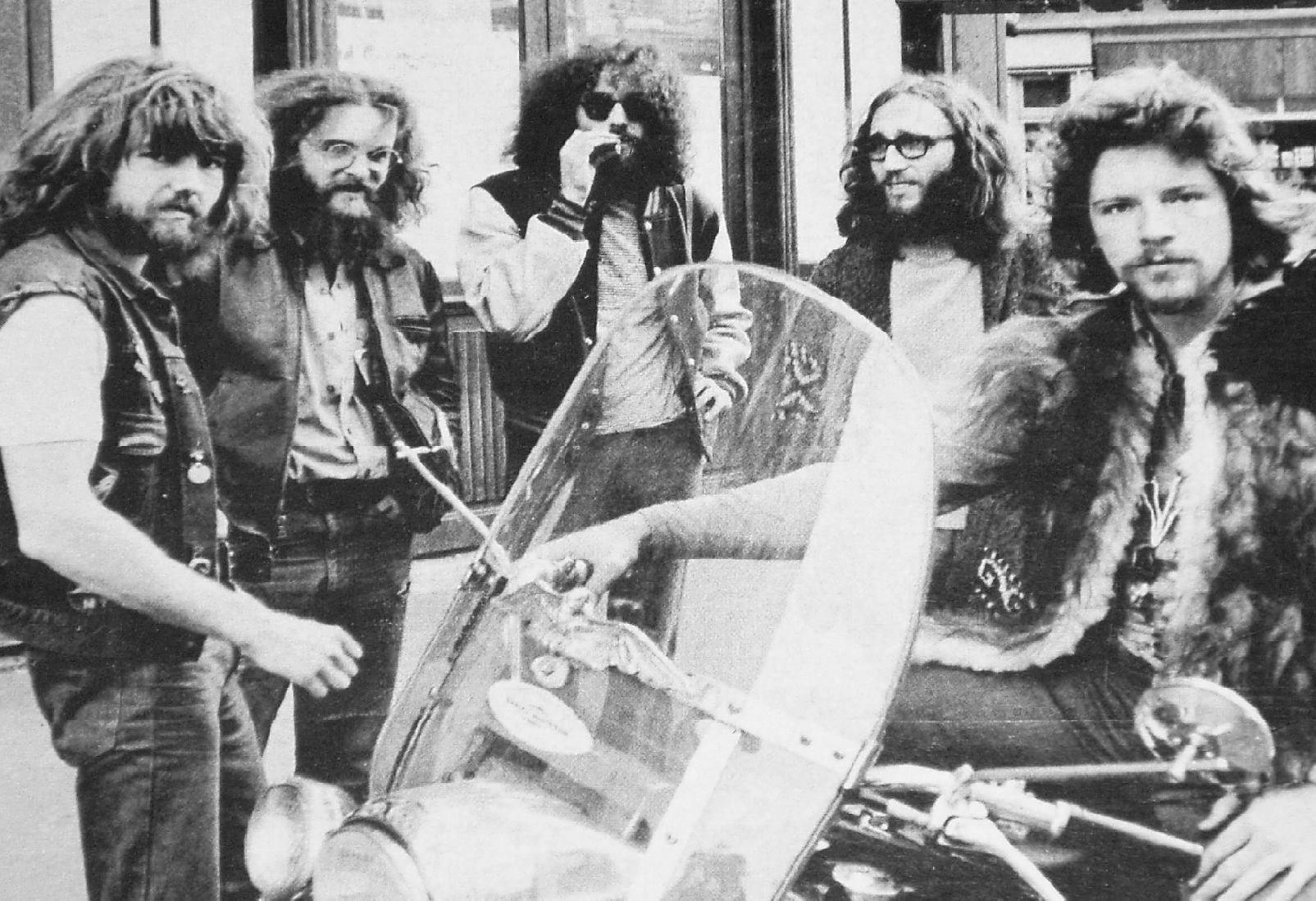
King Harvest’s Spotify BioFormed in France in 1970, King Harvest included Eddie Tuleja (guitar), Ron Altbach (keys), Rod Novak (bass, sax) and Wells Kelly (drums). After winning a French rock contest, the band added bassist Didier Alexandre and recorded their first album. The group was asked to score the soundtrack to Le Feu Sacre which represented France at the Cannes Film Festival in 1971 where they performed at the Juan-les-Pins Whiskey-a-Go-Go. Joined by Doc Robinson (keys, vocals) they were booked to open for BB King at the Olympia Theatre in Paris and headline at the Speakeasy in London. In 1972 King Harvest teamed up with producers Pierre Jaubert and Jack Robinson to record Dancing in the Moonlight, written by their old friend Sherman Kelly. Released in the U.S., Dancing in the Moonlight became a hit and stayed high on the Billboard charts for 22 weeks. King Harvest dissolved in 1976 to work with The Beach Boys, touring in the US, Canada, Australia, New Zealand, England, and recording on Beach Boys,… Celebration, and Dennis Wilson albums. Recently featured in The Last Frontier, Joker Folie a Deux, Mascarade (2022 Cannes Festival), The Tender Bar, The Big Leap, The Good Doctor, 2019 World Series, Annabelle Comes Home, ESPN March Madness, Thoroughbreds, ABC's "Good Morning America", The Hitman's Bodyguard, Showtime's "I'm Dying Up Here", HBO Girls, Guardians of the Galaxy, Hallmark Channel, The Middle, Scorpion , Better Call Saul, The Blacklist, Jackass Presents Bad Grandpa, www.kingharvest.us
Viberate is a music analytics platform built for A&Rs, artist managers, labels, booking agents, marketers, and artists.
It helps music professionals track artist growth, analyze audience data, monitor playlist activity, compare artists, follow song performance, and identify opportunities across the music market.
Public artist pages provide a free preview of selected artist data. Paid plans provide access to deeper analytics, historical data, charts, comparisons, playlist tools, exports, alerts, reports, and additional professional features.
Yes. Public Viberate artist pages provide selected artist analytics and music data for free.
Viberate also offers a 7-day free trial of the full platform. A credit card is required to start the trial. The trial includes access to the complete product so users can test deeper artist analytics, historical views, playlist insights, comparisons, charts, exports, alerts, and reporting features before choosing a paid plan.
Viberate provides artist analytics across streaming, playlists, social media, video, radio airplay, songs, and audience markets.
Users can analyze Spotify performance, Spotify and Apple Music playlists, YouTube activity, TikTok and Instagram growth, radio spins, song performance, audience locations, demographics, rankings, and overall artist momentum.
Artist profiles also connect to music charts, similar artists, and comparison tools, helping users benchmark performance and evaluate artists in context.
Viberate updates key artist and track data daily.
For followed artists and tracks, selected data is refreshed multiple times per day. This helps teams monitor playlist changes, streaming movement, audience growth, releases, and campaign performance with more current data.
Update frequency can vary depending on the metric and data source.
Yes. Viberate lets users compare up to five artists side by side across streaming, social media, audience, and engagement metrics.
Users can compare fanbase growth, audience demographics, locations, Spotify performance, social metrics, and other artist data over selected time periods.
Artist comparison can be used for A&R scouting, benchmarking, booking decisions, campaign planning, and evaluating artists with similar audiences or market positions.