Jim Croce

Rock
Folk Rock
 Viberate Rank: 4089
 Viberate Rank: 4089
 Monthly ListenersFollowers
 Subscribers
 Followers
 Followers
 FansTop Spotify Songs
| Track | 7-Day Streams | |
|---|---|---|
1 | 2.06M | |
2 | 908.59K | |
3 | 726.13K | |
4 | 657.56K | |
5 | 563.21K |
Top YouTube VideosMonthly ListenersFeatured in Playlists| Playlist | Followers | |
|---|---|---|
1 |  Stranger Things Official Playlist Spotify | 3.19M |
2 |  Classic Acoustic Spotify | 2.63M |
3 |  70s & 80s Acoustic Spotify | 971.27K |
4 |  Mellow Classics Spotify | 881.33K |
5 |  Vietnam War Music Extra Music | 754.34K |
Audience| City | Monthly Listeners | |
|---|---|---|
1 |  | 102.05K |
2 | | 99.19K |
3 | | 92.33K |
4 | | 92.32K |
5 |  | 89.60K |
See full performance history, audience data, playlist activity, rankings, comparisons, and more in Viberate music analytics. Start with a free trial, then continue with a paid plan.
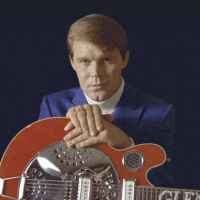
Jim Croce’s Spotify BioIn the music industry, arguably the worst tragedy that can befall an artist is to die in his or her prime, when just beginning to break through to the mainstream and reach people on a national or international level. One such artist was Jim Croce, a songwriter with a knack for both upbeat, catchy singles and empathetic, melancholy ballads. Though Croce only recorded a few studio albums before an untimely plane crash, he continues to be remembered posthumously. Croce appealed to fans as a common man, and it was not a gimmick -- he was a father and husband who went through a series of blue-collar jobs. And whether he used dry wit, gentle emotions, or sorrow, Croce sang with a rare form of honesty and power. Few artists have ever been able to pull off such down-to-earth storytelling as convincingly as he did.
James Joseph Croce was born in Philadelphia, Pennsylvania, on January 10, 1943. Raised on ragtime and country, Croce played the accordion as a child and would eventually teach himself… the guitar. It wasn't until his freshman year of college that he began to take music seriously, forming several bands over the next few years. After graduation, he continued to play various gigs at local bars and parties, working as both a teacher and construction worker to support himself and his wife, Ingrid. In 1969, the Croces and an old friend from college, Tommy West, moved to New York and record an album. When the Jim and Ingrid record failed to sell, they moved to a farm in Lyndell, Pennsylvania, where Jim juggled several jobs, including singing for radio commercials. Eventually he was noticed and signed by the ABC/Dunhill label and released his second album, You Don't Mess Around with Jim, in 1972. The record spawned three hits: "You Don't Mess Around With Jim," "Operator (That's Not the Way It Feels)," and "Time in a Bottle," the latter ultimately shooting all the way to number one on the Billboard charts. Croce quickly followed with Life and Times in early 1973 and gained his first number one hit with "Bad, Bad Leroy Brown."
After four years of grueling tour schedules, Croce grew homesick. Wishing to spend more time with Ingrid and his infant son Adrian James, he planned to take a break after the Life and Times tour was completed. Tragically, the tour would never finish; just two months after "Bad, Bad Leroy Brown" topped the charts, Croce's plane crashed in Natchitoches, Louisiana. Croce and the four other passengers (including bandmember Maury Muehleisen) were killed instantly.
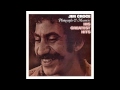
Croce's career peaked after his death. In December of 1973, the album I Got a Name surfaced, but it was "Time in a Bottle," from 1972's You Don't Mess Around with Jim, that would become his second number one single. Shortly afterwards, "I'll Have to Say I Love You in a Song" reached the Top Ten. Several albums were released posthumously, most notably the greatest hits collection Photographs & Memories, which became a best-seller. Several other compilations were later issued, such as the 1992 release The 50th Anniversary Collection and the 2000 compilation Time in a Bottle: The Definitive Collection. Listening to the songs Croce recorded, one cannot help but wonder how far his extraordinary talents could have taken him if he would have lived longer. Unfortunately, such a question may only be looked at rhetorically, but Jim Croce continues to live on in the impressive catalog of songs he left behind. ~ Barry Weber, Rovi
Viberate is a music analytics platform built for A&Rs, artist managers, labels, booking agents, marketers, and artists.
It helps music professionals track artist growth, analyze audience data, monitor playlist activity, compare artists, follow song performance, and identify opportunities across the music market.
Public artist pages provide a free preview of selected artist data. Paid plans provide access to deeper analytics, historical data, charts, comparisons, playlist tools, exports, alerts, reports, and additional professional features.
Yes. Public Viberate artist pages provide selected artist analytics and music data for free.
Viberate also offers a 7-day free trial of the full platform. A credit card is required to start the trial. The trial includes access to the complete product so users can test deeper artist analytics, historical views, playlist insights, comparisons, charts, exports, alerts, and reporting features before choosing a paid plan.
Viberate provides artist analytics across streaming, playlists, social media, video, radio airplay, songs, and audience markets.
Users can analyze Spotify performance, Spotify and Apple Music playlists, YouTube activity, TikTok and Instagram growth, radio spins, song performance, audience locations, demographics, rankings, and overall artist momentum.
Artist profiles also connect to music charts, similar artists, and comparison tools, helping users benchmark performance and evaluate artists in context.
Viberate updates key artist and track data daily.
For followed artists and tracks, selected data is refreshed multiple times per day. This helps teams monitor playlist changes, streaming movement, audience growth, releases, and campaign performance with more current data.
Update frequency can vary depending on the metric and data source.
Yes. Viberate lets users compare up to five artists side by side across streaming, social media, audience, and engagement metrics.
Users can compare fanbase growth, audience demographics, locations, Spotify performance, social metrics, and other artist data over selected time periods.
Artist comparison can be used for A&R scouting, benchmarking, booking decisions, campaign planning, and evaluating artists with similar audiences or market positions.