King Combs

Hip Hop
Contemporary Hip Hop
Alternative Hip Hop
 Viberate Rank: 15001
 Viberate Rank: 15001
 Monthly ListenersFollowers
 Subscribers
 Followers
 Followers
 FansTop Spotify Songs
| Track | 7-Day Streams | |
|---|---|---|
1 | 111.67K | |
2 | 40.91K | |
3 | 32.17K | |
4 | 19.03K | |
5 | 11.00K |
Top YouTube Videos| Video | 7-Day Views | |
|---|---|---|
1 | 39.46K | |
2 | 8.34K | |
3 | 6.13K | |
4 | 5.70K | |
5 | 5.64K |
Monthly ListenersFeatured in Playlists| Playlist | Followers | |
|---|---|---|
1 |  66 GREENE _BY.ALEXANDER | 395.13K |
2 |  Bedroom jams 🥵😈💦 Lilboat | 327.50K |
3 |  KANYE WEST BANGERS🙏 dog standing up | 293.83K |
4 |  Freaky Playlist • Sex Music 😏👅💦 Noémi Reyes | 242.19K |
5 |  Pop Smoke Woo Hits Pop Smoke | 163.07K |
Audience| City | Monthly Listeners | |
|---|---|---|
1 | | 5.03K |
2 |  | 4.13K |
3 | | 3.97K |
4 |  | 3.56K |
5 | | 3.07K |
See full performance history, audience data, playlist activity, rankings, comparisons, and more in Viberate music analytics. Start with a free trial, then continue with a paid plan.
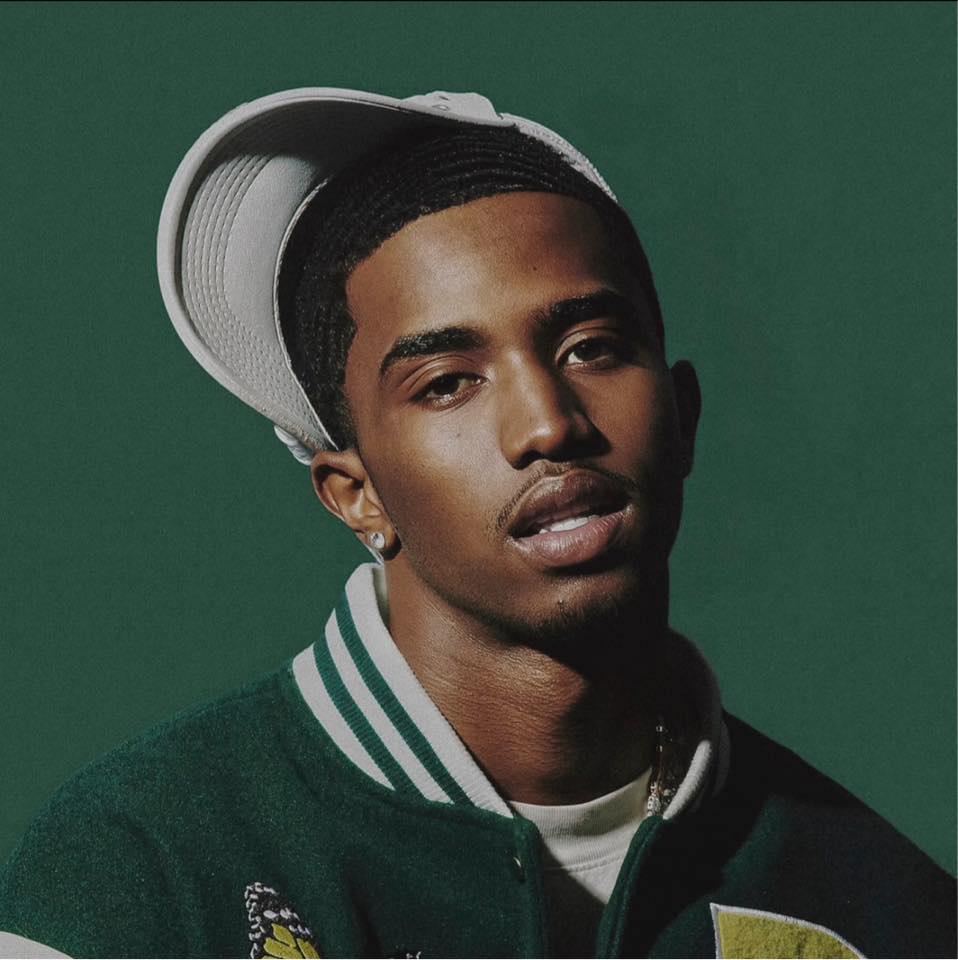
King Combs’ Spotify BioBorn into music industry royalty, it was only a matter of time before Christian Combs, son of Sean "Diddy" Combs, started making music of his own. Growing up around celebrities and world-famous musicians, Christian was modeling, singing, and rapping while still in his teens. Taking the name King Combs and displaying a smooth flow, he released a series of singles, starting with "Type Different" in 2017 before issuing his debut EP, Cyncerely, C3, in 2019. The EP has been followed by a steady supply of singles ranging from "Legacy" in 2020 to the Kodak Black collaboration "Can't Stop Won't Stop" in 2022.
Christian Combs was born in 1998 to rap mogul Sean Combs (aka Puff Daddy, P. Diddy, Diddy, Love, and other monikers) and model Kimberly Porter. Shortly after finishing high school, Christian began his music career, merging both heavier rap production with smooth R&B undercurrents. While involved in music, modeling, and other pursuits, he labeled himself King Combs and signed with his… father's label, Bad Boy Entertainment, in 2016.
His first singles arrived in 2017, starting with "Type Different," featuring guest spots from Bay Swag and Lajan Slim, and quickly followed by "F*ck the Summer Up" and "Feeling Savage" later that year. In early 2018 he released "Love You Better," a more R&B-leaning single featuring Chris Brown on guest vocals. April of that year saw the release of 90's Baby, a mixtape that found Combs rapping over classic instrumentals from the early-'90s hip-hop scene when his father came of age. In early 2019, he returned with the Cyncerely, C3 EP, which featured appearances by Jeremih, Smooky MarGielaa, 03 Greedo, and Ty Dolla $ign. Combs was back the next year with "Legacy," and over 2021 and 2022 continued to release singles highlighted by "Holdin Me Down," "Gas You Up," and "Can't Stop Won't Stop," tracks respectively featuring Future, DreamDoll, and Kodak Black. ~ Fred Thomas, Rovi
Viberate is a music analytics platform built for A&Rs, artist managers, labels, booking agents, marketers, and artists.
It helps music professionals track artist growth, analyze audience data, monitor playlist activity, compare artists, follow song performance, and identify opportunities across the music market.
Public artist pages provide a free preview of selected artist data. Paid plans provide access to deeper analytics, historical data, charts, comparisons, playlist tools, exports, alerts, reports, and additional professional features.
Yes. Public Viberate artist pages provide selected artist analytics and music data for free.
Viberate also offers a 7-day free trial of the full platform. A credit card is required to start the trial. The trial includes access to the complete product so users can test deeper artist analytics, historical views, playlist insights, comparisons, charts, exports, alerts, and reporting features before choosing a paid plan.
Viberate provides artist analytics across streaming, playlists, social media, video, radio airplay, songs, and audience markets.
Users can analyze Spotify performance, Spotify and Apple Music playlists, YouTube activity, TikTok and Instagram growth, radio spins, song performance, audience locations, demographics, rankings, and overall artist momentum.
Artist profiles also connect to music charts, similar artists, and comparison tools, helping users benchmark performance and evaluate artists in context.
Viberate updates key artist and track data daily.
For followed artists and tracks, selected data is refreshed multiple times per day. This helps teams monitor playlist changes, streaming movement, audience growth, releases, and campaign performance with more current data.
Update frequency can vary depending on the metric and data source.
Yes. Viberate lets users compare up to five artists side by side across streaming, social media, audience, and engagement metrics.
Users can compare fanbase growth, audience demographics, locations, Spotify performance, social metrics, and other artist data over selected time periods.
Artist comparison can be used for A&R scouting, benchmarking, booking decisions, campaign planning, and evaluating artists with similar audiences or market positions.