Kim Richey

Country
Americana/Alt Country
 Viberate Rank: 151310
 Viberate Rank: 151310
 Monthly ListenersFollowers
 Subscribers
 Followers
 Followers
 FansTop Spotify Songs
| Track | 7-Day Streams | |
|---|---|---|
1 | 1.95K | |
2 | 1.35K | |
3 | 1.23K | |
4 | 1.21K | |
5 | 798 |
Top YouTube VideosMonthly ListenersFeatured in Playlists| Playlist | Followers | |
|---|---|---|
1 | Smallville: The Complete Soundtrack wyattpoulton | 40.35K |
2 | lisa_anthem | 35.27K |
3 |  The 500 Best Songs of the 2000s Pitchfork | 29.95K |
4 | Best of the 90s / 90's / 1990s / 1990's phillipalcock | 23.05K |
5 | Dawsons Creek - All Songs from all Seasons Jürgen Koller | 21.54K |
Audience| City | Monthly Listeners | |
|---|---|---|
1 |  | 402 |
2 |  | 252 |
3 |  | 224 |
4 | | 218 |
5 | | 213 |
See full performance history, audience data, playlist activity, rankings, comparisons, and more in Viberate music analytics. Start with a free trial, then continue with a paid plan.
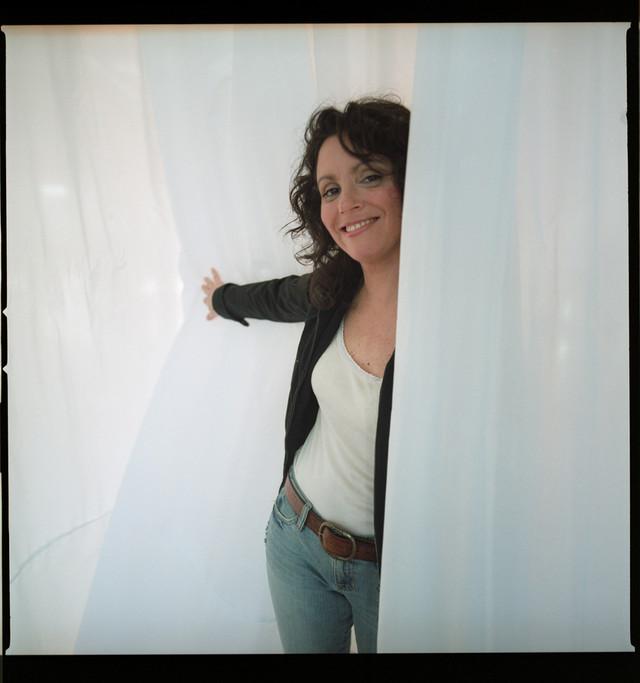
Kim Richey’s Spotify BioKim Richey has enjoyed her greatest commercial success as a country artist, but her wise, sweet, relatable songs can just as easily be categorized as pop, contemporary folk, or adult alternative. Richey's soft yet deceptively strong voice and impressive gifts as a tunesmith took her from Ohio to Nashville, where she cut 1995's Kim Richey and 1997's Bitter Sweet, but she detoured into a more pop-oriented sound on 1999's Glimmer. After years of dealing with record company politics, she moved to a British indie label for 2013's Thorn in My Heart, and found a home at Yep Roc records for literate, down-to-earth efforts like 2018's Edgeland and 2024's Every New Beginning.
Kim Richey was born in Zanesville, Ohio on December 1, 1956. While her hometown wasn't a hotbed for music, she was lucky enough to have an aunt who ran a record store, and young Kim got hooked on music by digging through bins of 45s and listening to everything she could, from Janis Joplin to the Lovin' Spoonful. She started… playing guitar in high school, but didn't perform in front of audiences much until she went to college. That was when she started a band and learned a lot about the art of singing harmonies. After college, Richey did a lot of traveling, to and through Colorado, Washington, South America, Boston, Europe, and eventually Nashville. In 1988, she landed a job as a cook at The Bluebird Café, a familiar haunt for Music City songwriters, where she got to know some of Nashville's best tunesmiths.
Richey began seriously honing her craft as a songwriter and vocalist, building a reputation as a singer who could interpret a lyric and harmonize with the best of them, all the while writing tunes with an optimistic, melancholy tone that was unique and engaging. Before too long, Richey was signed to Polygram Records, releasing her eponymous debut in 1995. 1997's Bitter Sweet was produced by Angelo Petraglia and John Leventhal, who gave it a sound that was subtly sophisticated and recognizably country. By the time she made 1999's Glimmer with British producer Hugh Padgham, her sound leaned even further toward the pop end of the spectrum, and she was often compared to Shawn Colvin for her cleverly twisting lyrical phrases and rhythms. She was also touring frequently, sharing stages with celebrated singer songwriters like Robert Earl Keen, upstart traditionalist Junior Brown, and alt-country heroes Wilco.
In 2002, Richey released Rise, her first album under a new contract with Universal's roots music imprint Lost Highway Records. Teaming up with producer Bill Bottrell, Richey fleshed out her sound with worldly flavors of instrumentation that were atypical for a contemporary country artist, and the result was mesmerizing and one of her most acclaimed efforts. A greatest-hits set entitled Collection arrived in 2004, followed in 2007 by Chinese Boxes, an eclectic set recorded in England with producer Giles Martin. It was distributed by the venerable independent Vanguard label. Richey focused on touring and writing songs for other artists for several years, living for a while in the British Isles, where she'd developed a following. She emerged from her recording silence with Wreck Your Wheels, a collection of 11 new songs issued on the British Lojinx imprint in 2010. Though recorded in Nashville with co-writes from Beth Rowley, Boo Hewerdine, and Mark Olson, its initial release was in the U.K., followed months later by a U.S. edition, distributed by Thirty Tigers. Richey made a full-fledged return to her brand of thoughtful country music on Thorn in My Heart, which was released in the spring of 2013 on Yep Roc. Five years later, she delivered Edgeland, which featured cameos from Robyn Hitchcock and Chuck Prophet. For 2020's A Long Way Back: The Songs of Glimmer, Richey reimagined the fourteen songs from 1999's Glimmer with spare acoustic arrangements and a warm, intimate production style. That same year, she contributed backing vocals to Gretchen Peters' LP The Night You Wrote That Song: The Songs of Mickey Newbury. In January 2024, longtime fan Brandi Carlile invited Richey to appear at her Girls Just Wanna Weekend Festival, devoted to female artists, where she performed as part of a songwriter's circle with Carlisle, Brandy Clark, and Mary Chapin Carpenter. The following May, Richey released a studio album, Every New Beginning, produced by Doug Lancio and featuring ten songs written or co-written by Richey. The album also included vocal and songwriting contributions from Aaron Lee Tasjan. ~ Kelly McCartney & Mark Deming, Rovi
Viberate is a music analytics platform built for A&Rs, artist managers, labels, booking agents, marketers, and artists.
It helps music professionals track artist growth, analyze audience data, monitor playlist activity, compare artists, follow song performance, and identify opportunities across the music market.
Public artist pages provide a free preview of selected artist data. Paid plans provide access to deeper analytics, historical data, charts, comparisons, playlist tools, exports, alerts, reports, and additional professional features.
Yes. Public Viberate artist pages provide selected artist analytics and music data for free.
Viberate also offers a 7-day free trial of the full platform. A credit card is required to start the trial. The trial includes access to the complete product so users can test deeper artist analytics, historical views, playlist insights, comparisons, charts, exports, alerts, and reporting features before choosing a paid plan.
Viberate provides artist analytics across streaming, playlists, social media, video, radio airplay, songs, and audience markets.
Users can analyze Spotify performance, Spotify and Apple Music playlists, YouTube activity, TikTok and Instagram growth, radio spins, song performance, audience locations, demographics, rankings, and overall artist momentum.
Artist profiles also connect to music charts, similar artists, and comparison tools, helping users benchmark performance and evaluate artists in context.
Viberate updates key artist and track data daily.
For followed artists and tracks, selected data is refreshed multiple times per day. This helps teams monitor playlist changes, streaming movement, audience growth, releases, and campaign performance with more current data.
Update frequency can vary depending on the metric and data source.
Yes. Viberate lets users compare up to five artists side by side across streaming, social media, audience, and engagement metrics.
Users can compare fanbase growth, audience demographics, locations, Spotify performance, social metrics, and other artist data over selected time periods.
Artist comparison can be used for A&R scouting, benchmarking, booking decisions, campaign planning, and evaluating artists with similar audiences or market positions.