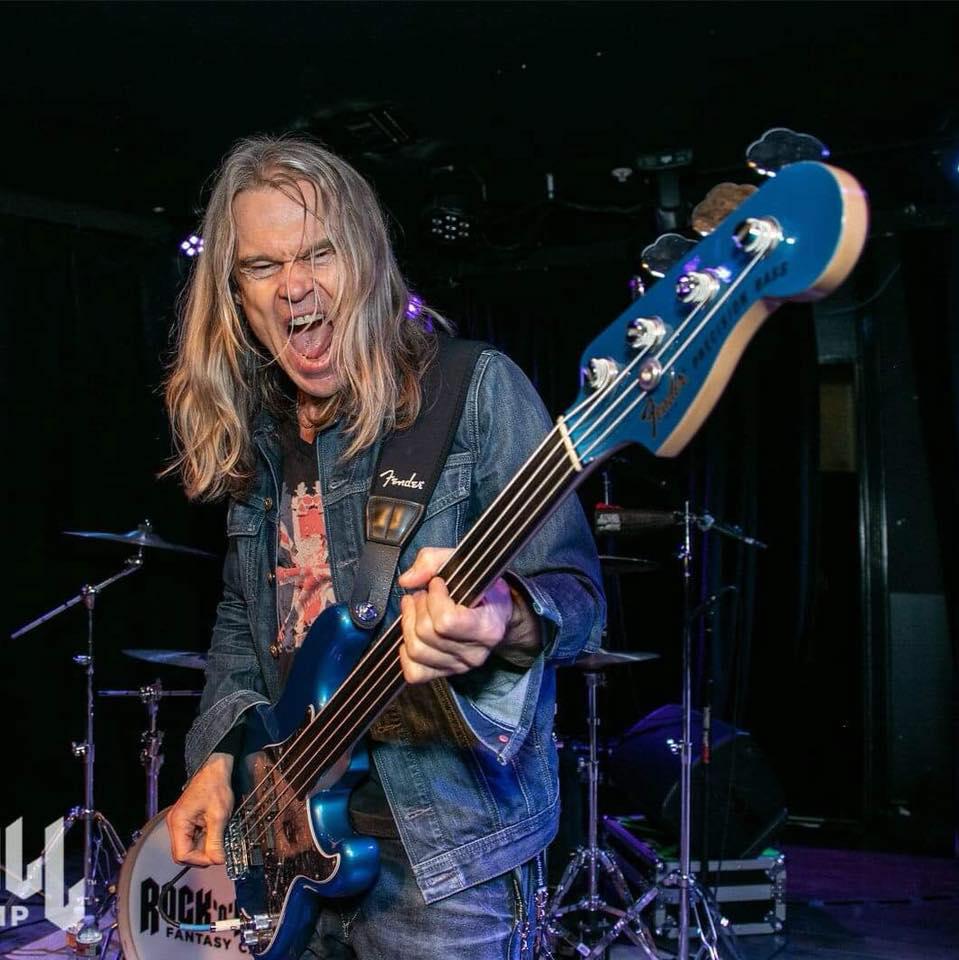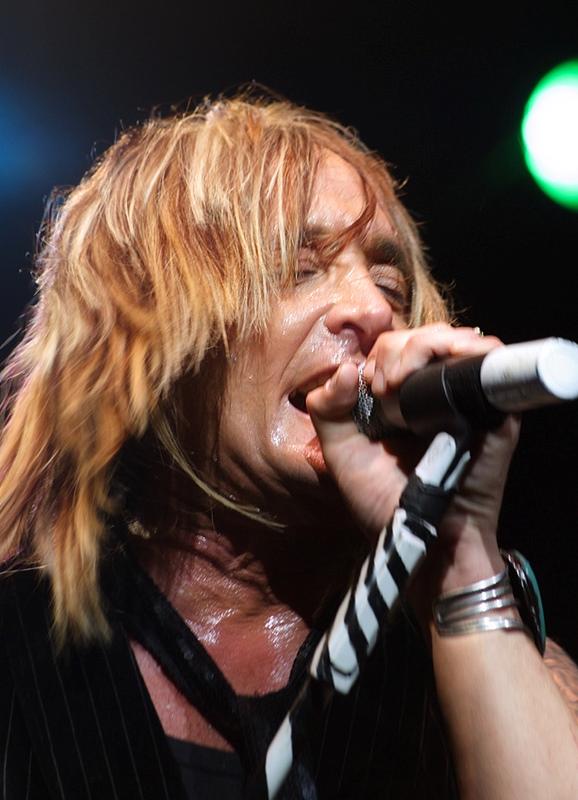
Kevin Dubrow

Metal
Heavy Metal
Glam Metal
 Viberate Rank: 327765
 Viberate Rank: 327765
 Monthly ListenersFollowers
 Subscribers
 Followers
 Followers
 FansTop Spotify SongsTop YouTube VideosMonthly ListenersFeatured in Playlists
| Playlist | Followers | |
|---|---|---|
1 | Bon Jovi- Cama de rosas en ESPAÑOL. (Bed of roses) Edgar | 11.12K |
2 |  Live Rock Songs Rômulo Rezende | 5.90K |
3 | Steel Dragon notevenslinky | 5.04K |
4 |  Classic Rock Live! Filtr US | 5.01K |
5 | 80s Metal Rock BLOODLUST | 4.71K |
Audience| City | Monthly Listeners | |
|---|---|---|
1 |  | 30 |
2 |  | 26 |
3 |  | 25 |
4 |  | 20 |
5 |  | 18 |
See full performance history, audience data, playlist activity, rankings, comparisons, and more in Viberate music analytics. Start with a free trial, then continue with a paid plan.
Kevin Dubrow’s Spotify BioFor a brief spell circa 1983-1984, Quiet Riot singer (or more fittingly, "screamer") Kevin DuBrow was one of the most quotable rockers in all of heavy metal. But this would eventually also lead to the downfall of him and his band. Born on October 29, 1955, in Hollywood, CA, DuBrow first got involved in rock & roll not as a singer, but as a photographer -- taking concert photos of such groups as Humble Pie (which he would often list as one of his favorites and chief influences) circa the early '70s. Shortly thereafter, DuBrow decided to pick up a microphone instead of a camera, met guitarist Randy Rhoads, and eventually formed Quiet Riot. Despite building up a sizable following locally -- and playing alongside another up-and-coming regional band, Van Halen -- Quiet Riot's penchant for heavy metal/hard rock anthems during a time when disco and punk were in demand on the Sunset Strip proved detrimental.
Despite trouble securing a U.S. record deal, Quiet Riot did issue a pair of albums in… Japan, 1977's Quiet Riot and 1978's Quiet Riot II. A U.S. deal never materialized, and Rhoads left the group in 1979 to join Ozzy Osbourne's solo band. DuBrow soldiered on, however, changing the group's name from Quiet Riot to...DuBrow. With Rhoads mentioning Quiet Riot in interviews as a member of the Ozzy band, interest was piqued, which increased further after Rhoads' tragic death in April 1982. Switching their name back to Quiet Riot, the group finally landed an ever-elusive U.S. record deal with Pasha/Sony. Now comprised of DuBrow, guitarist Carlos Cavazo, bassist Rudy Sarzo (who was a member of the band during the late '70s), and drummer Frankie Banali, Quiet Riot released Metal Health in March of 1983. With a sound that merged metal riffs with pop hooks and anthemic choruses, the album took a few months to catch fire. But it eventually did, on the strength of two hit singles -- "Metal Health" and a cover of Slade's "Cum on Feel the Noize" -- which sent Metal Health to the top of the Billboard album charts.
However, just as soon as Quiet Riot hit the big time, DuBrow seemed to revel in his wild/party animal persona -- according to a VH1 Behind the Music special years later, he began using cocaine heavily, which only seemed to fuel his ego. As a result, this led to DuBrow lashing out at some of metal's biggest names in magazine articles (specifically, Mötley Crüe and Ozzy). This didn't sit well with the metal masses, and Quiet Riot's next release, 1984's Condition Critical, performed well below the mark Metal Health had set. After one more album, 1986's QR III, DuBrow was unceremoniously asked to leave the band that he had co-formed a decade earlier.
In the early '90s, DuBrow and Quiet Riot had patched up their differences, and beginning with 1993's Terrified, DuBrow was back as the group's frontman. In addition to touring/recording with Quiet Riot, the singer also appeared on tribute albums for other metal bands, and released a solo album in 2004, In for the Kill, which was comprised of cover songs of classic rock acts of the '70s. Sadly, on November 26, 2007, news broke that DuBrow had passed away. It was later determined that he had died a week earlier (on November 19), and that the cause was an accidental cocaine overdose. Despite being singled out as "the mouth that roared" in the music press, DuBrow was certainly a main reason for the "pop-metal" explosion of the mid- to late '80s (when such similarly styled-groups as Ratt, Cinderella, and Poison rose up the charts), which can be attributed directly to his work with Quiet Riot, and specifically, Metal Health. ~ Greg Prato, Rovi
Viberate is a music analytics platform built for A&Rs, artist managers, labels, booking agents, marketers, and artists.
It helps music professionals track artist growth, analyze audience data, monitor playlist activity, compare artists, follow song performance, and identify opportunities across the music market.
Public artist pages provide a free preview of selected artist data. Paid plans provide access to deeper analytics, historical data, charts, comparisons, playlist tools, exports, alerts, reports, and additional professional features.
Yes. Public Viberate artist pages provide selected artist analytics and music data for free.
Viberate also offers a 7-day free trial of the full platform. A credit card is required to start the trial. The trial includes access to the complete product so users can test deeper artist analytics, historical views, playlist insights, comparisons, charts, exports, alerts, and reporting features before choosing a paid plan.
Viberate provides artist analytics across streaming, playlists, social media, video, radio airplay, songs, and audience markets.
Users can analyze Spotify performance, Spotify and Apple Music playlists, YouTube activity, TikTok and Instagram growth, radio spins, song performance, audience locations, demographics, rankings, and overall artist momentum.
Artist profiles also connect to music charts, similar artists, and comparison tools, helping users benchmark performance and evaluate artists in context.
Viberate updates key artist and track data daily.
For followed artists and tracks, selected data is refreshed multiple times per day. This helps teams monitor playlist changes, streaming movement, audience growth, releases, and campaign performance with more current data.
Update frequency can vary depending on the metric and data source.
Yes. Viberate lets users compare up to five artists side by side across streaming, social media, audience, and engagement metrics.
Users can compare fanbase growth, audience demographics, locations, Spotify performance, social metrics, and other artist data over selected time periods.
Artist comparison can be used for A&R scouting, benchmarking, booking decisions, campaign planning, and evaluating artists with similar audiences or market positions.