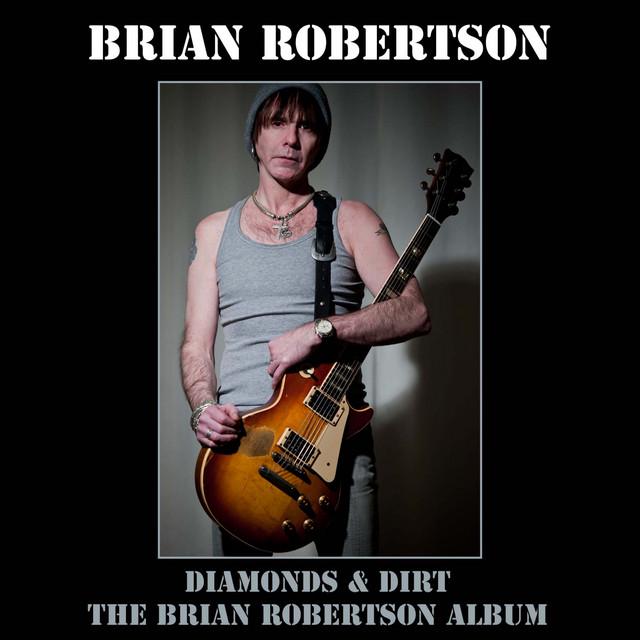
Jack Blades

Rock
Hard Rock
Pop Rock
 Viberate Rank: 141299
 Viberate Rank: 141299
 Monthly ListenersFollowers
 Subscribers
 Followers
 Followers
 FansTop Spotify Songs
| Track | 7-Day Streams | |
|---|---|---|
1 | 739 | |
2 | 438 | |
3 | 423 | |
4 | 303 | |
5 | 236 |
Top YouTube VideosMonthly ListenersFeatured in Playlists| Playlist | Followers | |
|---|---|---|
1 | 1292313598 | 8.30K |
2 |  Best Covers Ever Maru Miyashiro | 6.27K |
3 | BBC Live Lounge & Covers Pathbraesimon | 6.21K |
4 |  Rock GOAT whytemike | 2.94K |
5 |  Song of History Max Millares | 2.58K |
Audience| City | Monthly Listeners | |
|---|---|---|
1 |  | 417 |
2 | | 50 |
3 | | 34 |
4 | | 27 |
5 | | 27 |
See full performance history, audience data, playlist activity, rankings, comparisons, and more in Viberate music analytics. Start with a free trial, then continue with a paid plan.
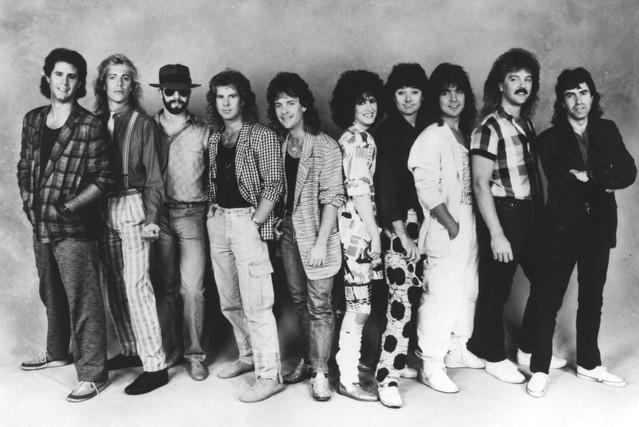
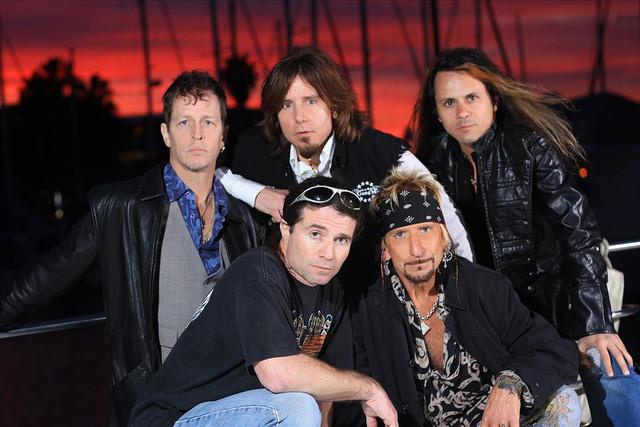
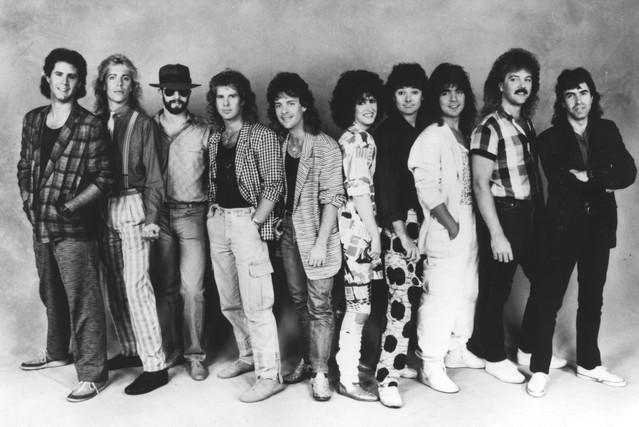
Jack Blades’ Spotify BioIn addition to fronting one of the mid-'80s most successful mainstream/arena rock bands, Night Ranger, bassist/singer Jack Blades has either recorded with, penned songs for, or produced albums for some of rock's biggest names. Originally hailing from Palm Springs, CA, Blades joined countless local bands in the Southern California area during the early '70s, during which time he attended San Diego State University (as a pre-med student). By the latter part of the decade, Blades had relocated to San Francisco, where he joined the dance-rock group Rubicon. The band issued a pair of obscure releases, 1978's self-titled debut and 1980's American Dreams, before splitting up. Blades and Rubicon guitarist Brad Gillis decided to form a new band together, one that would be more aligned to hard rock than their previous outfit. The early '80s saw the formation of Night Ranger, along with members Alan Fitzgerald (keyboards), Jeff Watson (guitar), and Kelly Keagy (drums, vocals), who fit in… perfectly with such then-thriving melodic rockers as Journey, Loverboy, and Van Halen.
On the strength of such releases as 1982's Dawn Patrol, 1983's Midnight Madness, and 1985's 7 Wishes, the group scored several substantial U.S. hits. But soon the hits dried up for the group, and after one more release (1987's Big Life), the quintet split up. It didn't take long for Blades to reappear in another similarly styled band however, the all-star Damn Yankees, which consisted of Tommy Shaw, Ted Nugent, and Michael Cartellone. The band enjoyed a hit with their 1990 self-titled release, but by the time of 1992's Don't Tread, interest in the group dipped considerably, which led to their split soon after. Blades and Shaw opted to remain together, issuing a lone album under the name of Shaw Blades, Hallucination, in 1995. Subsequently, Blades has penned songs for other artists (Aerosmith, Cher, Alice Cooper, Roger Daltrey, Journey, Vince Neil, Ozzy Osbourne, Styx, etc.), and has produced others, as well (Great White, Samantha 7). The late '90s saw Blades reunite briefly with his old pals in Night Ranger for a few albums (1997's Neverland and 1998's Seven), and also play with others, including Ringo Starr (the ex-Beatles' 1998 release, VH1 Storytellers). Five years later, with countless songwriting and production credits to his name, Blades returned to his work as a musician. He signed with Sanctuary before the year's end and prepared for his first solo album of his career. The self-titled release, which appeared in spring 2004, was classic Blades with its guitar-driven backdrop and anthemic songwriting. ~ Greg Prato
Viberate is a music analytics platform built for A&Rs, artist managers, labels, booking agents, marketers, and artists.
It helps music professionals track artist growth, analyze audience data, monitor playlist activity, compare artists, follow song performance, and identify opportunities across the music market.
Public artist pages provide a free preview of selected artist data. Paid plans provide access to deeper analytics, historical data, charts, comparisons, playlist tools, exports, alerts, reports, and additional professional features.
Yes. Public Viberate artist pages provide selected artist analytics and music data for free.
Viberate also offers a 7-day free trial of the full platform. A credit card is required to start the trial. The trial includes access to the complete product so users can test deeper artist analytics, historical views, playlist insights, comparisons, charts, exports, alerts, and reporting features before choosing a paid plan.
Viberate provides artist analytics across streaming, playlists, social media, video, radio airplay, songs, and audience markets.
Users can analyze Spotify performance, Spotify and Apple Music playlists, YouTube activity, TikTok and Instagram growth, radio spins, song performance, audience locations, demographics, rankings, and overall artist momentum.
Artist profiles also connect to music charts, similar artists, and comparison tools, helping users benchmark performance and evaluate artists in context.
Viberate updates key artist and track data daily.
For followed artists and tracks, selected data is refreshed multiple times per day. This helps teams monitor playlist changes, streaming movement, audience growth, releases, and campaign performance with more current data.
Update frequency can vary depending on the metric and data source.
Yes. Viberate lets users compare up to five artists side by side across streaming, social media, audience, and engagement metrics.
Users can compare fanbase growth, audience demographics, locations, Spotify performance, social metrics, and other artist data over selected time periods.
Artist comparison can be used for A&R scouting, benchmarking, booking decisions, campaign planning, and evaluating artists with similar audiences or market positions.