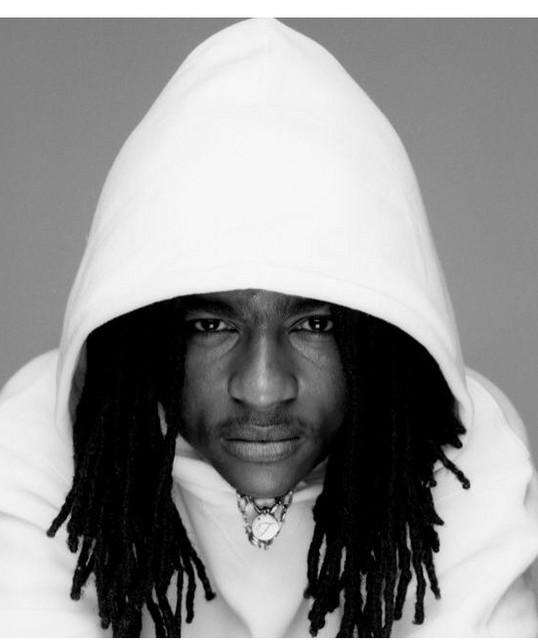
Kenzy

Reggae
Dancehall
Zouk
 Viberate Rank: 204002
 Viberate Rank: 204002
 Monthly ListenersFollowers
 Subscribers
 Followers
 Followers
 FansTop Spotify Songs
| Track | 7-Day Streams | |
|---|---|---|
1 | 648 | |
2 | 262 | |
3 | 243 | |
4 | 181 | |
5 | 179 |
Top YouTube VideosMonthly ListenersFeatured in Playlists| Playlist | Followers | |
|---|---|---|
1 | Kompa/Zouk 2024 Tontonz JM | 9.73K |
2 |  Metal Sinfônico & Melódico Pati Medeiros | 2.71K |
3 |  Jamaica Vibes Playlist BryanKed | 1.55K |
4 | 中國新說唱精選 Adward Chen | 1.17K |
5 | Bomboclat! 🔥🔞 Jimmi Vila | 1.08K |
Audience| City | Monthly Listeners | |
|---|---|---|
1 |  | 349 |
2 | | 201 |
3 | | 169 |
4 | | 71 |
5 |  | 59 |
See full performance history, audience data, playlist activity, rankings, comparisons, and more in Viberate music analytics. Start with a free trial, then continue with a paid plan.
Kenzy’s Spotify BioNourri au rap français et aux compiles dancehall jamaicaines des années 2000, Kenzy développe un style alliant la recherche de la rime parfaite au flow du singjay.
En 2003, Kenzy intègre le Black Scare Crew et co-réalise la mixtape Tune Afta Tune.
En 2005, Kenzy s’installe à Paris et enregistre un album avec Rafya (son frère) intitulé « @Show Dem ». C’est le point de départ de dix années de duo.
Ils enregistrent le titre qui les fera connaître du tout public dancehall, le tonitruant « Come Back » qui dépassera les frontières hexagonales.
En 2006 ils sortent un second album dont le titre promo « Nou ka pran pié la » en featuring avec Admiral T se classera numéro 1 des hits radio durant plusieurs semaines.
En 2010, Kenzy reprend le titre de Gyptian – Hold yuh et signe un tube intitulé « Biswen lanmou ».
Dans la foulée, ils sortent un double maxi 14 titres leur permettant de faire découvrir leurs univers respectifs. Cet opus sera intitulé « Eclektik / Esansyel » aux mélodies… caribéennes.
En 2010 ils sortent le classique " @Bangkok ".
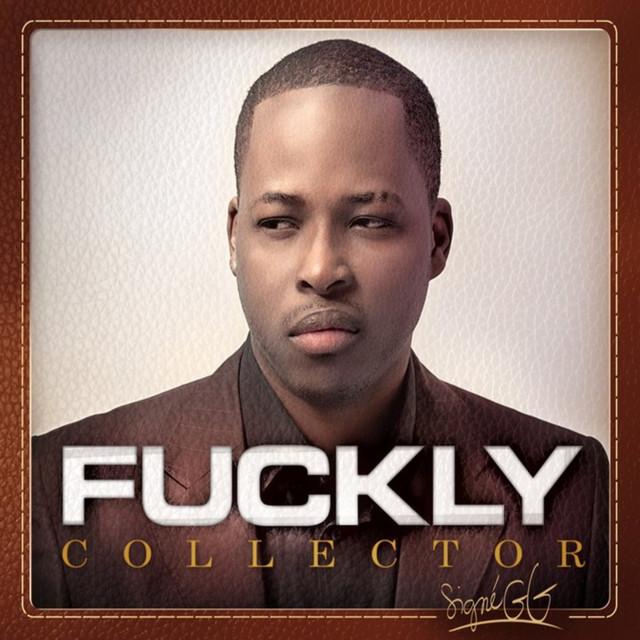
Après une tournée dans l’hexagone et des concerts live, le duo signe au sein du label Section Zouk et sort le titre «Melissa » en combinaison avec Fuckly.
En 2017, Kenzy démarre une carrière en solo.
Viberate is a music analytics platform built for A&Rs, artist managers, labels, booking agents, marketers, and artists.
It helps music professionals track artist growth, analyze audience data, monitor playlist activity, compare artists, follow song performance, and identify opportunities across the music market.
Public artist pages provide a free preview of selected artist data. Paid plans provide access to deeper analytics, historical data, charts, comparisons, playlist tools, exports, alerts, reports, and additional professional features.
Yes. Public Viberate artist pages provide selected artist analytics and music data for free.
Viberate also offers a 7-day free trial of the full platform. A credit card is required to start the trial. The trial includes access to the complete product so users can test deeper artist analytics, historical views, playlist insights, comparisons, charts, exports, alerts, and reporting features before choosing a paid plan.
Viberate provides artist analytics across streaming, playlists, social media, video, radio airplay, songs, and audience markets.
Users can analyze Spotify performance, Spotify and Apple Music playlists, YouTube activity, TikTok and Instagram growth, radio spins, song performance, audience locations, demographics, rankings, and overall artist momentum.
Artist profiles also connect to music charts, similar artists, and comparison tools, helping users benchmark performance and evaluate artists in context.
Viberate updates key artist and track data daily.
For followed artists and tracks, selected data is refreshed multiple times per day. This helps teams monitor playlist changes, streaming movement, audience growth, releases, and campaign performance with more current data.
Update frequency can vary depending on the metric and data source.
Yes. Viberate lets users compare up to five artists side by side across streaming, social media, audience, and engagement metrics.
Users can compare fanbase growth, audience demographics, locations, Spotify performance, social metrics, and other artist data over selected time periods.
Artist comparison can be used for A&R scouting, benchmarking, booking decisions, campaign planning, and evaluating artists with similar audiences or market positions.