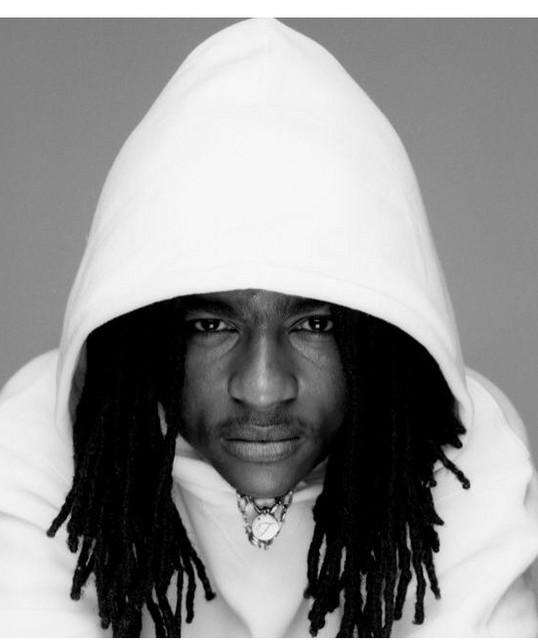
Daly

Hip Hop
Alternative Hip Hop
Zouk
 Viberate Rank: 175373
 Viberate Rank: 175373
 Monthly ListenersFollowers
 Subscribers
 Followers
 Followers
 FansTop Spotify Songs
| Track | 7-Day Streams | |
|---|---|---|
1 | 767 | |
2 | 244 | |
3 | 244 | |
4 | 244 | |
5 | 123 |
Top YouTube VideosMonthly ListenersFeatured in Playlists| Playlist | Followers | |
|---|---|---|
1 |  No Cap Playlist FPS UNIVERS | 4.11K |
2 | Afrobeat Lucille Antonia | 4.02K |
3 | Dancehall-Afrobeats 2023 Guillaume Aaron Wyers | 3.86K |
4 |  Ritmo Latino Alvaro Torres | 3.41K |
5 | Zouk love 2000’s TheBadKendrick | 1.88K |
Audience| City | Monthly Listeners | |
|---|---|---|
1 |  | 113 |
2 | | 87 |
3 | | 78 |
4 | | 29 |
5 | | 21 |
See full performance history, audience data, playlist activity, rankings, comparisons, and more in Viberate music analytics. Start with a free trial, then continue with a paid plan.
Daly’s Spotify BioDaly,est un artiste auteur-compositeur, interprète et producteur de musique de la Guadeloupe . Il a grandi au Raizet, quartier des Abymes, auquel il est profondément attaché. A l’âge de 18 ans, il fait ses premiers pas dans le hip-hop et forme avec ses amis Darkman, Tysme, Edinyo et Sherkan le groupe La horde noire. Le jeune prodige connaît ainsi son premier succès avec le titre « Mi la sa ka bay » (C’est ici que cela se passe), extrait de l’unique maxi du groupe.
C'est en 1999, qu'il commence à travailler son projet musical. 3 ans plus tard, et après un an de studio, il retrouve le public, mais cette fois seul avec l'album "I alé man".
Le titre « Tchenbé nou » devient classique .
S’amorce alors le début d’une grande aventure musicale.
Daly et son engagement pour la jeunesse, artiste engagé très impliqué dans l’insertion de la jeunesse aux Antilles, il crée en 2010 une association qui a pour but de favoriser l’expression et la réinsertion des jeunes en marge du monde socio-professionnel… par le biais d’un chantier d’insertion dans la communication en audiovisuel et nouveaux médias.
C’est grâce à la musique que Daly fait ses premiers pas au cinéma. En 1998, il rencontre le réalisateur Jean-Claude Barny qui se trouvait en Guadeloupe pour son futur film « Nèg maron » et qui lui propose de réaliser son clip.
7 ans plus tard, Daly est à l’affiche de son premier long métrage aux côtés de l’autre star du dancehall Admiral T.
Viberate is a music analytics platform built for A&Rs, artist managers, labels, booking agents, marketers, and artists.
It helps music professionals track artist growth, analyze audience data, monitor playlist activity, compare artists, follow song performance, and identify opportunities across the music market.
Public artist pages provide a free preview of selected artist data. Paid plans provide access to deeper analytics, historical data, charts, comparisons, playlist tools, exports, alerts, reports, and additional professional features.
Yes. Public Viberate artist pages provide selected artist analytics and music data for free.
Viberate also offers a 7-day free trial of the full platform. A credit card is required to start the trial. The trial includes access to the complete product so users can test deeper artist analytics, historical views, playlist insights, comparisons, charts, exports, alerts, and reporting features before choosing a paid plan.
Viberate provides artist analytics across streaming, playlists, social media, video, radio airplay, songs, and audience markets.
Users can analyze Spotify performance, Spotify and Apple Music playlists, YouTube activity, TikTok and Instagram growth, radio spins, song performance, audience locations, demographics, rankings, and overall artist momentum.
Artist profiles also connect to music charts, similar artists, and comparison tools, helping users benchmark performance and evaluate artists in context.
Viberate updates key artist and track data daily.
For followed artists and tracks, selected data is refreshed multiple times per day. This helps teams monitor playlist changes, streaming movement, audience growth, releases, and campaign performance with more current data.
Update frequency can vary depending on the metric and data source.
Yes. Viberate lets users compare up to five artists side by side across streaming, social media, audience, and engagement metrics.
Users can compare fanbase growth, audience demographics, locations, Spotify performance, social metrics, and other artist data over selected time periods.
Artist comparison can be used for A&R scouting, benchmarking, booking decisions, campaign planning, and evaluating artists with similar audiences or market positions.