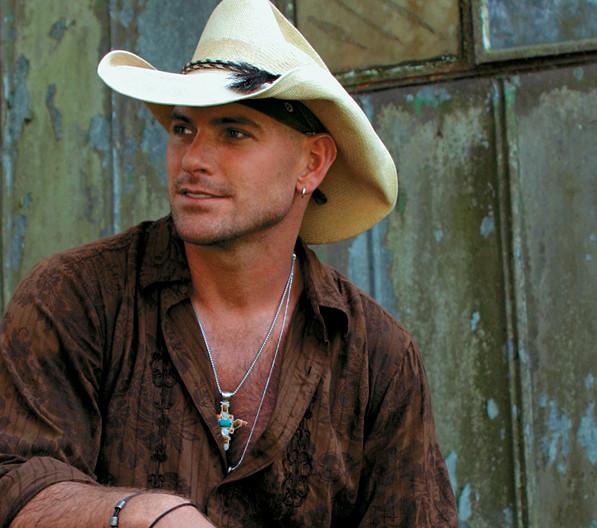
Chris Cagle

Country
Contemporary Country
 Viberate Rank: 21021
 Viberate Rank: 21021
 Monthly ListenersFollowers
 Subscribers
 Followers
 Followers
 FansTop Spotify Songs
| Track | 7-Day Streams | |
|---|---|---|
1 | 131.29K | |
2 | 112.85K | |
3 | 67.08K | |
4 | 39.21K | |
5 | 30.65K |
Top YouTube VideosMonthly ListenersFeatured in Playlists| Playlist | Followers | |
|---|---|---|
1 |  2000s Country Spotify | 1.01M |
2 |  Country Love Songs❤️🔥 momeg78 | 147.18K |
3 | MERICA🇺🇸🍻 Kamryn Stitz | 130.45K |
4 | Garth Brooks - The Greatest Hits Voilume 1 Sheryl Cook | 82.92K |
5 |  Summer Country ☀️🏝️ Ty Kirkland | 82.68K |
Audience| City | Monthly Listeners | |
|---|---|---|
1 | | 18.34K |
2 | | 16.32K |
3 | | 14.95K |
4 | | 14.01K |
5 | | 13.29K |
See full performance history, audience data, playlist activity, rankings, comparisons, and more in Viberate music analytics. Start with a free trial, then continue with a paid plan.
Chris Cagle’s Spotify BioWhen he was four years old, Chris Cagle moved from Louisiana to the outskirts of Houston, where he grew up. He began taking guitar lessons at six, but gave them up after a year. He took piano lessons during high school and returned to the guitar in his senior year. After high school, he enrolled at the University of Texas at Arlington, but dropped out at 19 to pursue a musical career. He moved to Nashville in 1994 and struggled for five years. His earliest songs were published by famed Nashville songwriter Harlan Howard, after which he landed a publishing deal and placed some of his songs with David Kersh. He was discovered by the assistant to the president of Virgin Records Nashville, whom he met in a restaurant where he was working. Virgin signed him and released his debut single, "My Love Goes on and On," which reached the country charts in July 2000, eventually peaking in the Top 20. His first album, Play It Loud, followed in October. It reached the country charts, and its track… "Laredo" made the country Top 40. In 2001, Cagle switched from Virgin to Capitol Records (both are subsidiaries of EMI), and his new label reissued Play It Loud in June 2001 with two bonus tracks. A self-titled album came in 2003, followed by Anywhere But Here in 2005, which reached the Top 40. My Life's Been a Country Song appeared in 2008. The compilation album The Best of Chris Cagle appeared on Capitol in 2010. After a few years spent away from the music industry, during which time he built a ranch, got married, and had his first child, Cagle signed with the label Big Picture Music Group. In 2011, Cagle issued the single "Got My Country On" as a precursor to the studio album Back in the Saddle, which was set for a 2012 release. ~ William Ruhlmann, Rovi
Viberate is a music analytics platform built for A&Rs, artist managers, labels, booking agents, marketers, and artists.
It helps music professionals track artist growth, analyze audience data, monitor playlist activity, compare artists, follow song performance, and identify opportunities across the music market.
Public artist pages provide a free preview of selected artist data. Paid plans provide access to deeper analytics, historical data, charts, comparisons, playlist tools, exports, alerts, reports, and additional professional features.
Yes. Public Viberate artist pages provide selected artist analytics and music data for free.
Viberate also offers a 7-day free trial of the full platform. A credit card is required to start the trial. The trial includes access to the complete product so users can test deeper artist analytics, historical views, playlist insights, comparisons, charts, exports, alerts, and reporting features before choosing a paid plan.
Viberate provides artist analytics across streaming, playlists, social media, video, radio airplay, songs, and audience markets.
Users can analyze Spotify performance, Spotify and Apple Music playlists, YouTube activity, TikTok and Instagram growth, radio spins, song performance, audience locations, demographics, rankings, and overall artist momentum.
Artist profiles also connect to music charts, similar artists, and comparison tools, helping users benchmark performance and evaluate artists in context.
Viberate updates key artist and track data daily.
For followed artists and tracks, selected data is refreshed multiple times per day. This helps teams monitor playlist changes, streaming movement, audience growth, releases, and campaign performance with more current data.
Update frequency can vary depending on the metric and data source.
Yes. Viberate lets users compare up to five artists side by side across streaming, social media, audience, and engagement metrics.
Users can compare fanbase growth, audience demographics, locations, Spotify performance, social metrics, and other artist data over selected time periods.
Artist comparison can be used for A&R scouting, benchmarking, booking decisions, campaign planning, and evaluating artists with similar audiences or market positions.