Katie Lee

Rock
Indie Rock
Alternative Rock
 Viberate Rank: 479504
 Viberate Rank: 479504
 Monthly ListenersFollowers
 Subscribers
 Followers
 Followers
 FansTop Spotify Songs
| Track | 7-Day Streams | |
|---|---|---|
1 | 167 | |
2 | 165 | |
3 | 76 | |
4 | 56 | |
5 | 44 |
Top YouTube VideosMonthly ListenersFeatured in Playlists| Playlist | Followers | |
|---|---|---|
1 | Canciones de anuncios tvspot | 9.10K |
2 | Back to the Roots Spotify | 6.52K |
3 | CWW Larry Little | 5.26K |
4 |  Dark Cabaret dondunken | 2.93K |
5 |  🎶 Musiques de pubs TV : La Totale 📺 throb | 1.56K |
Audience| City | Monthly Listeners | |
|---|---|---|
1 | | 31 |
2 | | 28 |
3 |  | 28 |
4 | | 23 |
5 | | 21 |
See full performance history, audience data, playlist activity, rankings, comparisons, and more in Viberate music analytics. Start with a free trial, then continue with a paid plan.
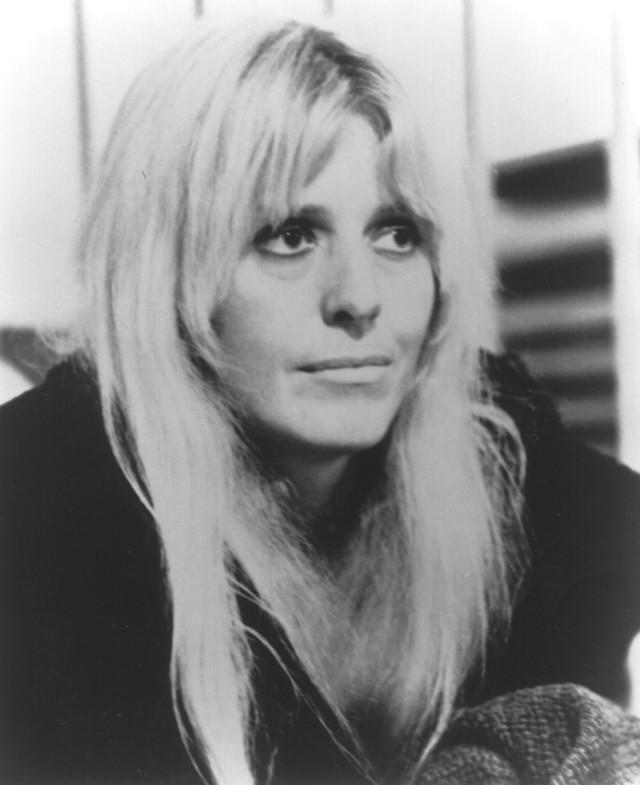
Katie Lee’s Spotify BioBorn in Illinois in 1919 but growing up in Arizona after her family moved to Tucson when she was still an infant, Katie Lee began her performing and recording career (after a foray as a stage and screen actor in Hollywood) in the world of traditional folk and cowboy music, having studied with the likes of Burl Ives and Josh White. But after releasing such folk-meets-novelty albums as Spicy Songs for Cool Knights (1956) and Songs of Couch and Consultation (1957), Lee turned more serious -- and ultimately angry and politically motivated -- when her beloved Glen Canyon, just upriver from the Grand Canyon, became threatened and ultimately drowned by the Glen Canyon Dam, built between 1956 and 1966 by the U.S. Bureau of Land Reclamation. Her feelings about the BLR, shared by the likes of Desert Solitaire and Monkeywrench Gang author Edward Abbey, were made clear in "The Wreck-the-Nation Bureau Song" on Colorado River Songs, originally issued on cassette in the 1980s but re-released on CD by… her https://open.spotify.com/search/label%3A%22Katydid+Records%22 label in 1998. Katie Lee also authored several books -- Ten Thousand Goddam Cattle: A History of the American Cowboy in Song, Story & Verse, All My Rivers Are Gone, and Sandstone Seduction -- about the cowboy life and her love of the Southwest canyon country. "The Grand Dame of Dam Busting" Katie Lee died in November 2017 at her home in Jerome, Arizona; she was 98 years old. Before the Colorado River backed up behind the 710-foot-high concrete wall of Glen Canyon Dam, she had spent years exploring the sculpted sandstone of the canyon and its tributaries as a guide to others and for her own personal sense of discovery, inspiration, and renewal. After the dam was completed, she never returned to the flooded Glen Canyon. ~ Dave Lynch, Rovi
Viberate is a music analytics platform built for A&Rs, artist managers, labels, booking agents, marketers, and artists.
It helps music professionals track artist growth, analyze audience data, monitor playlist activity, compare artists, follow song performance, and identify opportunities across the music market.
Public artist pages provide a free preview of selected artist data. Paid plans provide access to deeper analytics, historical data, charts, comparisons, playlist tools, exports, alerts, reports, and additional professional features.
Yes. Public Viberate artist pages provide selected artist analytics and music data for free.
Viberate also offers a 7-day free trial of the full platform. A credit card is required to start the trial. The trial includes access to the complete product so users can test deeper artist analytics, historical views, playlist insights, comparisons, charts, exports, alerts, and reporting features before choosing a paid plan.
Viberate provides artist analytics across streaming, playlists, social media, video, radio airplay, songs, and audience markets.
Users can analyze Spotify performance, Spotify and Apple Music playlists, YouTube activity, TikTok and Instagram growth, radio spins, song performance, audience locations, demographics, rankings, and overall artist momentum.
Artist profiles also connect to music charts, similar artists, and comparison tools, helping users benchmark performance and evaluate artists in context.
Viberate updates key artist and track data daily.
For followed artists and tracks, selected data is refreshed multiple times per day. This helps teams monitor playlist changes, streaming movement, audience growth, releases, and campaign performance with more current data.
Update frequency can vary depending on the metric and data source.
Yes. Viberate lets users compare up to five artists side by side across streaming, social media, audience, and engagement metrics.
Users can compare fanbase growth, audience demographics, locations, Spotify performance, social metrics, and other artist data over selected time periods.
Artist comparison can be used for A&R scouting, benchmarking, booking decisions, campaign planning, and evaluating artists with similar audiences or market positions.