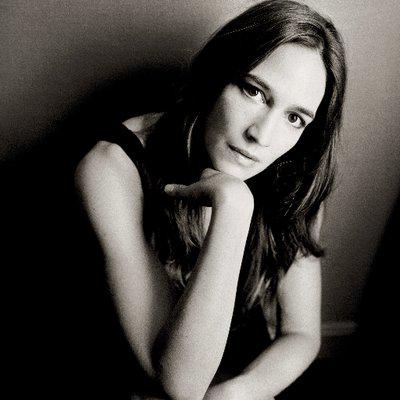
Kate Lindsey

Classical
Opera
 Viberate Rank: 305653
 Viberate Rank: 305653
 Monthly ListenersFollowers
 Subscribers
 Followers
 Followers
 FansTop Spotify Songs
| Track | 7-Day Streams | |
|---|---|---|
1 | 293 | |
2 | 144 | |
3 | 110 | |
4 | 105 | |
5 | 54 |
Top YouTube VideosMonthly ListenersFeatured in Playlists| Playlist | Followers | |
|---|---|---|
1 |  Classical Instrumental and Vocal Music EMITHA | 183.66K |
2 |  Classical Music for the Soul EMITHA | 127.22K |
3 |  Classical/Orchestral Music Max William Lewis | 67.99K |
4 |  Dramatic Classical and Classical Bangers EMITHA | 48.67K |
5 |  Unbelievable Classical Voices EMITHA | 22.52K |
Audience| City | Monthly Listeners | |
|---|---|---|
1 |  | 94 |
2 |  | 32 |
3 |  | 32 |
4 |  | 32 |
5 |  | 26 |
See full performance history, audience data, playlist activity, rankings, comparisons, and more in Viberate music analytics. Start with a free trial, then continue with a paid plan.
Kate Lindsey’s Spotify BioMezzo soprano Kate Lindsey is a rising figure in American opera, with appearances at major houses in America and beyond. Lindsey was signed to the prestigious French label Alpha. She was born in Richmond, Virginia, in 1981. She attended the University of Indiana School of Music, earning a Bachelor of Music degree with honors. Several grants and awards, including the 2007 Richard F. Gold Career Grant, put her on the radar of opera houses, and in 2008 she joined the Lindemann Young Artists Development Program of the Metropolitan Opera in New York. That put her into the casts of several Met productions, including Massenet's Manon (in which she made her debut as Javotte), Mozart's Le nozze di Figaro (Cherubino), Verdi's Don Carlos (Tebaldo), and Wagner's Das Rheingold and Götterdämmerung. Lindsey has also performed with the Seattle Opera, where she was named Artist of the Year in 2010, at the Santa Fe Opera, where she sang the role of Zerlina in Mozart's Don Giovanni, and at the Opéra de… Lille in France, as Cherubino, under French historical-performance star Emmanuelle Haïm. In the 2010s, Lindsey has continued to sing at top houses. The 2017-2018 season saw her perform the role of Nicklausse in Offenbach's Les contes d'Hoffman at the Royal Opera House Covent Garden and Los Angeles Opera, as well as making her debut at the Washington National Opera in Jake Heggie's Dead Man Walking in the lead role of Sister Helen Prejean. Lindsey has also made important concert appearances, including those in Ravel's L'enfant et les sortilèges at Carnegie Hall with the New York Philharmonic, and in Mozart's Mass in C minor, K. 427, with the Philadelphia Orchestra under Yannick Nézet-Séguin. Her recordings include those of several works by Mohammed Fairouz -- his song cycle, Jeder Mensch, was written for her. In 2017, she was signed to Alpha and released the recital Thousands of Miles, followed a year later by an album of songs by Debussy, Ravel, and Chausson.
Viberate is a music analytics platform built for A&Rs, artist managers, labels, booking agents, marketers, and artists.
It helps music professionals track artist growth, analyze audience data, monitor playlist activity, compare artists, follow song performance, and identify opportunities across the music market.
Public artist pages provide a free preview of selected artist data. Paid plans provide access to deeper analytics, historical data, charts, comparisons, playlist tools, exports, alerts, reports, and additional professional features.
Yes. Public Viberate artist pages provide selected artist analytics and music data for free.
Viberate also offers a 7-day free trial of the full platform. A credit card is required to start the trial. The trial includes access to the complete product so users can test deeper artist analytics, historical views, playlist insights, comparisons, charts, exports, alerts, and reporting features before choosing a paid plan.
Viberate provides artist analytics across streaming, playlists, social media, video, radio airplay, songs, and audience markets.
Users can analyze Spotify performance, Spotify and Apple Music playlists, YouTube activity, TikTok and Instagram growth, radio spins, song performance, audience locations, demographics, rankings, and overall artist momentum.
Artist profiles also connect to music charts, similar artists, and comparison tools, helping users benchmark performance and evaluate artists in context.
Viberate updates key artist and track data daily.
For followed artists and tracks, selected data is refreshed multiple times per day. This helps teams monitor playlist changes, streaming movement, audience growth, releases, and campaign performance with more current data.
Update frequency can vary depending on the metric and data source.
Yes. Viberate lets users compare up to five artists side by side across streaming, social media, audience, and engagement metrics.
Users can compare fanbase growth, audience demographics, locations, Spotify performance, social metrics, and other artist data over selected time periods.
Artist comparison can be used for A&R scouting, benchmarking, booking decisions, campaign planning, and evaluating artists with similar audiences or market positions.