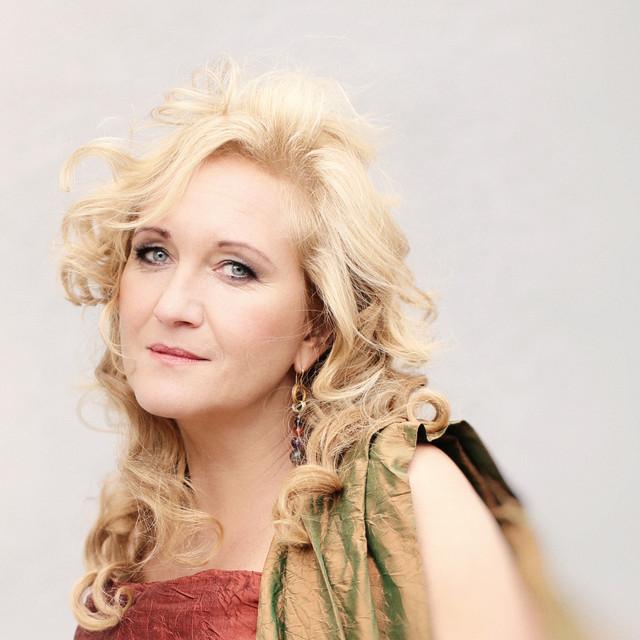
Karine Deshayes

Classical
Opera
 Viberate Rank: 315147
 Viberate Rank: 315147
 Monthly ListenersFollowers
 Subscribers
 Followers
 Followers
 FansTop Spotify SongsTop YouTube VideosMonthly ListenersFeatured in Playlists
| Playlist | Followers | |
|---|---|---|
1 |  Baroque Classics Sony Classical & Jazz Sweden | 131.09K |
2 |  Klassieke Top 400 (2026) | NPO Klassiek NPO Klassiek | 24.19K |
3 |  J'aime pas le classique, mais ça j'aime bien ! Filtr France | 19.66K |
4 | Trauerfeier / Beerdigung / Abschied 2026 Arne | 8.98K |
5 | 60bpm Baroque Study Tan | 4.99K |
Audience| City | Monthly Listeners | |
|---|---|---|
1 | | 299 |
2 |  | 140 |
3 |  | 129 |
4 |  | 108 |
5 |  | 90 |
See full performance history, audience data, playlist activity, rankings, comparisons, and more in Viberate music analytics. Start with a free trial, then continue with a paid plan.
Karine Deshayes’ Spotify BioMezzo-soprano Karine Deshayes has a wide repertory that includes Baroque opera, but she is best known for bel canto roles. She has a substantial recording catalog that includes recital albums on the Zig Zag Territoires and Aparte labels.
Deshayes was born on January 25, 1973, in Rueil-Malmaison in northern France. Her mother, Alix Deshayes, was a member of the Pasdeloup Orchestra. Deshayes began studies on the violin. She entered the Sorbonne in Paris and earned a musicology degree there. Deshayes then switched to voice, entering the Conservatoire de Paris (CNSM), studying with Mireille Alcantara. She went on for master's-level studies with Régine Crespin and also studied Baroque opera with conductors Emmanuelle Haïm, Christophe Rousset, and William Christie. Deshayes joined the company at the Opéra National de Lyon in 1998 and won several prizes, scoring a major breakthrough with a first prize at the Voix Nouvelles competition in 2002. Two years later, Deshayes made her recording debut… on the Alpha label on a recording of Rameau's Le Berger Fidèle with the ensemble Les Musiciens de Monsieur Croche.
During the 2000s decade, Deshayes began appearing in major opera houses. She made her debut at New York's Metropolitan Opera in 2006 as Siébel in Charles Gounod's opera Faust. In the early 2010s, she developed a specialty in bel canto roles with appearances as Rosina in Rossini's Il barbiere di Siviglia at the Opéra Bastille in Paris in 2012 and as Cinderella in Rossini's La Cenerentola at the San Francisco Opera in 2014; the latter appearance marked her debut with that company. Deshayes appeared in several Baroque opera productions and gave recitals of Baroque music in such prestigious venues as the Théâtre du Châtelet, the Salle Gaveau, and the Opéra Royal du Château de Versailles. Deshayes has recorded for various labels, including Zig Zag Territoires, where she issued the album French Romantic Cantatas in 2014, and Aparte, where she released Rossini in 2016. In 2022, Deshayes appeared in a concert version of Bellini's Norma at the Aix-en-Provence Festival, re-creating a 19th century tradition in which the role of Norma was sung by a mezzo-soprano. By 2023, when she joined conductor Jérôme Correas and the ensemble Les Paladins on the album Mozart: Exsultate, jubilate! on Aparte, her recording catalog comprised some 50 albums. ~ James Manheim, Rovi
Viberate is a music analytics platform built for A&Rs, artist managers, labels, booking agents, marketers, and artists.
It helps music professionals track artist growth, analyze audience data, monitor playlist activity, compare artists, follow song performance, and identify opportunities across the music market.
Public artist pages provide a free preview of selected artist data. Paid plans provide access to deeper analytics, historical data, charts, comparisons, playlist tools, exports, alerts, reports, and additional professional features.
Yes. Public Viberate artist pages provide selected artist analytics and music data for free.
Viberate also offers a 7-day free trial of the full platform. A credit card is required to start the trial. The trial includes access to the complete product so users can test deeper artist analytics, historical views, playlist insights, comparisons, charts, exports, alerts, and reporting features before choosing a paid plan.
Viberate provides artist analytics across streaming, playlists, social media, video, radio airplay, songs, and audience markets.
Users can analyze Spotify performance, Spotify and Apple Music playlists, YouTube activity, TikTok and Instagram growth, radio spins, song performance, audience locations, demographics, rankings, and overall artist momentum.
Artist profiles also connect to music charts, similar artists, and comparison tools, helping users benchmark performance and evaluate artists in context.
Viberate updates key artist and track data daily.
For followed artists and tracks, selected data is refreshed multiple times per day. This helps teams monitor playlist changes, streaming movement, audience growth, releases, and campaign performance with more current data.
Update frequency can vary depending on the metric and data source.
Yes. Viberate lets users compare up to five artists side by side across streaming, social media, audience, and engagement metrics.
Users can compare fanbase growth, audience demographics, locations, Spotify performance, social metrics, and other artist data over selected time periods.
Artist comparison can be used for A&R scouting, benchmarking, booking decisions, campaign planning, and evaluating artists with similar audiences or market positions.