Kaija Saariaho

Classical
Orchestral
Classical Crossover
 Viberate Rank: 260939
 Viberate Rank: 260939
 Monthly ListenersFollowers
 Subscribers
 Followers
 Followers
 FansTop Spotify Songs
| Track | 7-Day Streams | |
|---|---|---|
1 | 232 | |
2 | 194 | |
3 | 177 | |
4 | 172 | |
5 | 124 |
Top YouTube VideosMonthly ListenersFeatured in Playlists| Playlist | Followers | |
|---|---|---|
1 |  The Sound of Everything The Sounds of Spotify | 53.81K |
2 |  This playlist will make you feel like a 19th century villain Friinkk | 33.48K |
3 |  Life is a film Hania Raniszewska | 16.94K |
4 | 1200 Years of Women Composers Ulysses' Classical | 14.93K |
5 |  NPR Classical NPR Music | 14.43K |
Audience| City | Monthly Listeners | |
|---|---|---|
1 | | 202 |
2 |  | 168 |
3 |  | 83 |
4 |  | 80 |
5 |  | 77 |
See full performance history, audience data, playlist activity, rankings, comparisons, and more in Viberate music analytics. Start with a free trial, then continue with a paid plan.
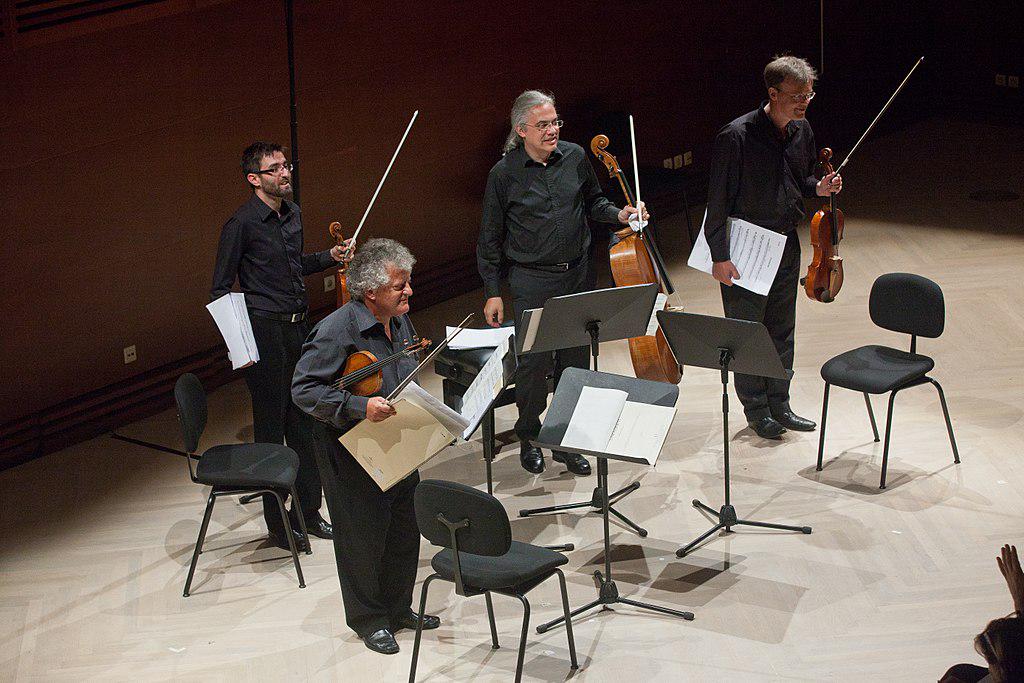
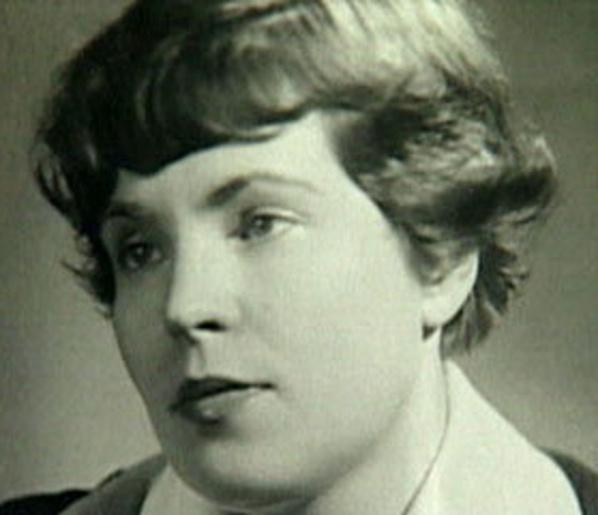
Kaija Saariaho’s Spotify BioKaija Saariaho was a Finnish composer known for combining acoustic instruments with electronics and prerecorded sounds. Her extensive worklist contains music for voice, chorus, and orchestra, in addition to her three operas and several pieces for chamber ensembles.
Saariaho was born in Helsinki in 1952 into a non-musical family. As a child, she was interested in the visual arts, and she began taking violin lessons. When she was nine years old, she started studying the piano in addition to the violin, and she also experimented with composing in the following year. From 1970 to 1972, she attended the Rudolf Steiner School in Helsinki and the East Helsinki Music Institute, where she focused on the piano and violin. This was followed by piano and organ studies at the Helsinki Conservatory of Music, and the musicology program at the University of Helsinki. Additionally, Saariaho enrolled at the Institute of Industrial Arts as a graphic design major, but in 1976, she left the program to study… music theory and composition at the Sibelius Academy under Paavo Heininen. After her graduation in 1980, she continued studying composition at the Musikhochschule in Freiburg, Germany, where her professors were Brian Ferneyhough and Klaus Huber.
Around the time of her graduation in 1983, Saariaho composed Verblendungen and Vers le blanc, and she moved to Paris to work in the electronic music studios of the IRCAM. In the following year, she married Jean-Baptiste Barrière, who also worked at IRCAM. She continued exploring the possibilities of combining acoustic instruments with electronics with pieces such as Nymphéa, Io, and Lichtbogen. Saariaho became highly admired in the 1990s for her sophisticated yet accessible style, which led to many commissioned works, such as Maa for the Finnish National Ballet, Graal Théâtre for Gidon Kremer, and the Château de l'âme cycle for Dawn Upshaw. She received the Nordic Council Music Prize in 2000 for her vocal piece Lohn, and in 2003 she won a Grawemeyer Award for her opera L'Amour de loin. That same year, she was also given honorary doctorates from the University of Turku and the University of Helsinki.
Saariaho's critically acclaimed second opera, Adriana Mater, received premieres in 2006 and 2008, and Kent Nagano's recording of L'Amour de loin won the 2011 Grammy Award for Best Opera Recording. Other major works from this period include the organ concerto Maan varjot for organist Olivier Latry, the harp concerto Trans for harpist Xavier de Maistre, and her third opera, Innocence, was completed in 2018. Three years later, Saariaho was named Composer of the Year by The New York Times, and Innocence received its debut at the Aix-en-Provence Festival. However, she was also diagnosed with an aggressive form of brain cancer. Her final composition was the trumpet concerto Hush for trumpeter Verneri Pohjola in 2023, but she passed away a few months before the premiere. Saariaho's music can be heard on Kaija Saariaho: Graal Théâtre; Circle Map; Neiges; Vers toi qui es si loin, Reconnaissance: Kaija Saariaho Choral Music, and countless other recordings. ~ RJ Lambert, Rovi
Viberate is a music analytics platform built for A&Rs, artist managers, labels, booking agents, marketers, and artists.
It helps music professionals track artist growth, analyze audience data, monitor playlist activity, compare artists, follow song performance, and identify opportunities across the music market.
Public artist pages provide a free preview of selected artist data. Paid plans provide access to deeper analytics, historical data, charts, comparisons, playlist tools, exports, alerts, reports, and additional professional features.
Yes. Public Viberate artist pages provide selected artist analytics and music data for free.
Viberate also offers a 7-day free trial of the full platform. A credit card is required to start the trial. The trial includes access to the complete product so users can test deeper artist analytics, historical views, playlist insights, comparisons, charts, exports, alerts, and reporting features before choosing a paid plan.
Viberate provides artist analytics across streaming, playlists, social media, video, radio airplay, songs, and audience markets.
Users can analyze Spotify performance, Spotify and Apple Music playlists, YouTube activity, TikTok and Instagram growth, radio spins, song performance, audience locations, demographics, rankings, and overall artist momentum.
Artist profiles also connect to music charts, similar artists, and comparison tools, helping users benchmark performance and evaluate artists in context.
Viberate updates key artist and track data daily.
For followed artists and tracks, selected data is refreshed multiple times per day. This helps teams monitor playlist changes, streaming movement, audience growth, releases, and campaign performance with more current data.
Update frequency can vary depending on the metric and data source.
Yes. Viberate lets users compare up to five artists side by side across streaming, social media, audience, and engagement metrics.
Users can compare fanbase growth, audience demographics, locations, Spotify performance, social metrics, and other artist data over selected time periods.
Artist comparison can be used for A&R scouting, benchmarking, booking decisions, campaign planning, and evaluating artists with similar audiences or market positions.